MEDINDIA
 English
 हिन्दी
 Español
 français
 中文
中文
The onset of sepsis disrupts the normal activity of specific interferons, signaling proteins used for communication between immune system cells.
Sepsis / Septicemia-Causes-Symptoms-Treatment-Complications
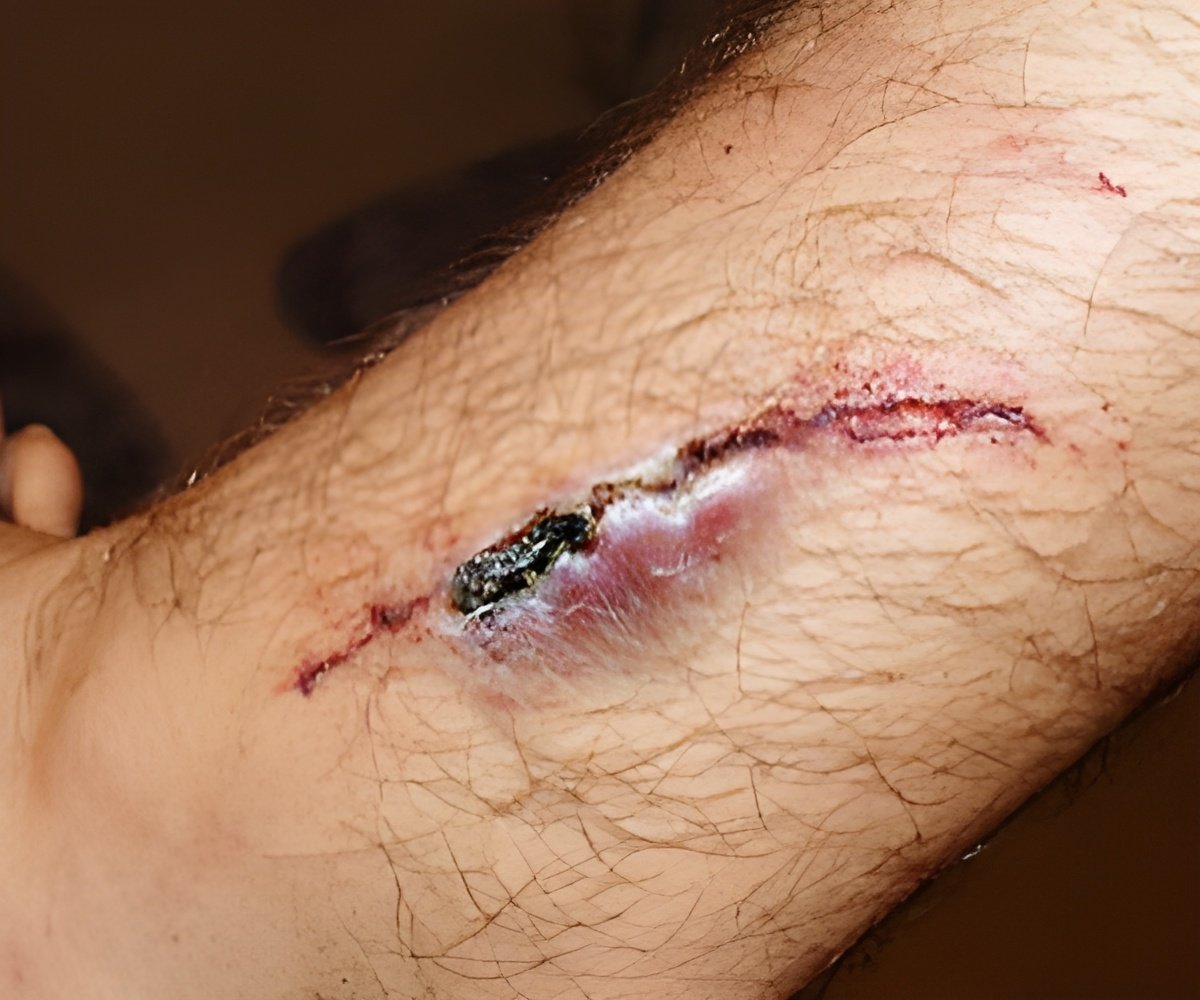
Septicemia or sepsis is a serious illness wherein a patient develops symptoms due to presence of microbes or their toxins in the blood. Septicemia or sepsis is caused by bacteria, viruses and fungi.
Septicemia or sepsis is a serious illness wherein a patient develops symptoms due to presence of microbes or their toxins in the blood. Septicemia or sepsis is caused by bacteria, viruses and fungi.
TOP INSIGHT

Further research is required and if translated from mice to humans, they could help inform strategies to prevent secondary infection in patients experiencing sepsis.
The researchers infected mice with viruses to induce production of TRM in the skin. Next, they punctured the gut to release bacteria-containing fecal material into the body, resulting in infection and sepsis. They then induced activation of the TRM and used molecular techniques to investigate the effects.
The analysis revealed that sepsis did not reduce the amount and function of TRM in the skin. However, while the function of TRM themselves was maintained, their influence was severely impaired: Normally, TRM that sense an invader can recruit other immune system cells, known as bystander T and B cells, to help fight infection, but sepsis stymied this process in the mice.
Taking a closer look, the team found that the onset of sepsis disrupts the normal activity of specific interferons, signaling proteins used for communication between immune system cells. In the mice, sepsis interrupted production of specific interferons required for TRM recruitment of bystander T and B cells, increasing the risk of secondary infection.
Further research is needed to better understand these effects, including whether they hold over the long term and for TRM in other parts of the body. Nonetheless, if the results translate from mice to humans, they could help inform strategies to prevent secondary infection in patients experiencing sepsis.
World Sepsis Day-2017
Sepsis is the leading cause of death all around the world; world sepsis day is held on 13th September of every year to unite in the fight against sepsis.
Sepsis is the leading cause of death all around the world; world sepsis day is held on 13th September of every year to unite in the fight against sepsis.
Source-Eurekalert

Cardiovascular Disease Risk Increases In Patients With Sepsis Or Pneumonia After Hospital Admission
The risk of a first cardiovascular disease diagnosis can remain persistently high for several years after a serious infection in patients with pneumonia or sepsis.
The risk of a first cardiovascular disease diagnosis can remain persistently high for several years after a serious infection in patients with pneumonia or sepsis.
 Email
Email