MEDINDIA
 English
 हिन्दी
 Español
 français
 中文
中文
Nearly half of the world's population is at risk of malaria and more than 200 million people are infected each year.

Malaria Parasite Can Sense the Hosts' Calorie Intake: Study
The chances of dying with the malaria parasite decreases when the host lower the amount of food intake, as the replication depends on the calorie intake.
The chances of dying with the malaria parasite decreases when the host lower the amount of food intake, as the replication depends on the calorie intake.
TOP INSIGHT

Although there are many species of Plasmodium, only five infect humans and cause malaria. Researchers have identified many potential targets for new antimalarial drug development.
The genetics of the parasite that causes malaria, Plasmodium, have been tricky to decipher. Plasmodium parasites are ancient organisms and around half their genes have no similar genes -- homologs -- in any other organism, making it difficult for scientists to find clues to their function. This study provides the first ever experimental evidence of function for most of the genes.
Scientists studied the genes in one species of malaria, Plasmodium berghei, which were expressed in a single blood stage of its complicated, multi-stage life cycle. In the study, scientists designed a new method to decipher the function of the malaria parasite's genes. The team switched off, or knocked out, 2,578 genes -- more than half of the genome -- and gave each knockout a unique DNA barcode.
Research Finds a Powerful Weapon To Control Malaria
Removal of the flowers of an invasive shrub could be a new way to shift inherently high malaria transmission areas to low transmission areas.
Removal of the flowers of an invasive shrub could be a new way to shift inherently high malaria transmission areas to low transmission areas.
Dr Oliver Billker, joint lead author from the Wellcome Trust Sanger Institute, said: "This work was made possible by a new method that enabled us to investigate more than 2,500 genes in a single study -- more than the entire research community has studied over the past two decades. We believe that this method can be used to build a deep understanding of many unknown aspects of malaria biology, and radically speed up our understanding of gene function and prioritisation of drug targets."
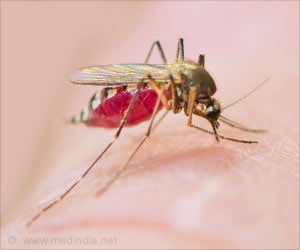
In African Schools, Malaria Control Reduces Anemia Risk
Malaria is typically found in tropical and subtropical climates where the parasites can live. WHO estimates that about 3.2 billion people are at risk of malaria.
Malaria is typically found in tropical and subtropical climates where the parasites can live. WHO estimates that about 3.2 billion people are at risk of malaria.
Dr Julian Rayner, joint lead author from the Wellcome Trust Sanger Institute, said: "We knew from previous work that on its surface the malaria parasite has many dispensable parts. Our study found that below the surface the parasite is more of a Formula 1 race car than a clunky people carrier. The parasite is fine-tuned and retains the absolute essential genes needed for growth. This is both good and bad: the bad news is it can easily get rid of the genes behind the targets we are trying to design vaccines for, but the flip side is there are many more essential gene targets for new drugs than we previously thought."

Can Parasite Strain-Specific Factors Determine the Severity of Malaria?
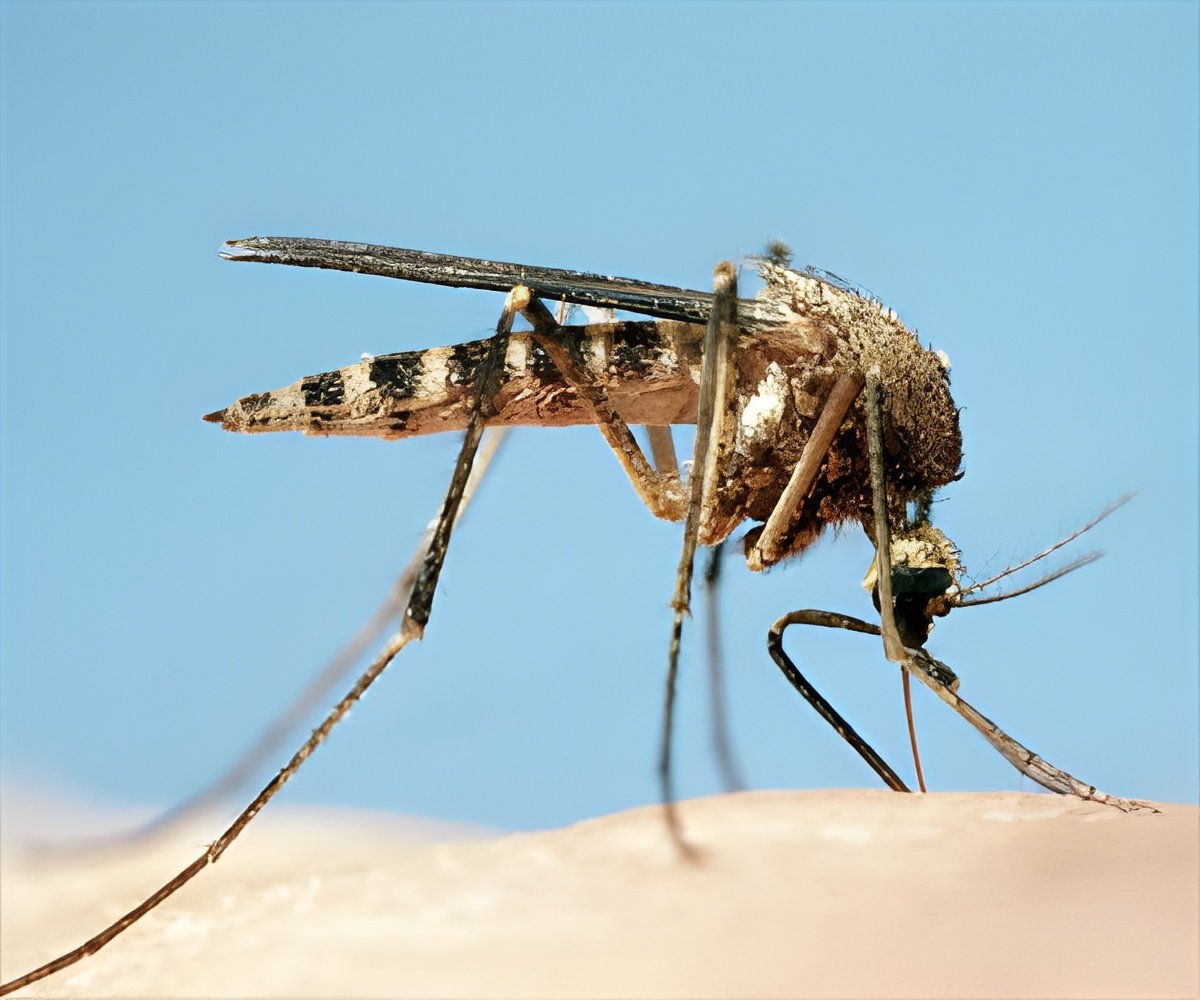
Malaria is an infectious mosquito-borne disease. Parasite strain-specific factors can determine the severity of malaria.
Malaria is an infectious mosquito-borne disease. Parasite strain-specific factors can determine the severity of malaria.
Source-Eurekalert
 Email
Email