MEDINDIA
 English
 हिन्दी
 Español
 français
 中文
中文
Lack of concern about disease risk most common reason travelers refuse MMR vaccination when recommended.

Schools Remain a Potential Hotspot for Measles Transmission
Potentially high transmission rates of measles infection has been noted in schools where vaccination is low.
Potentially high transmission rates of measles infection has been noted in schools where vaccination is low.
TOP INSIGHT

Measles has been eliminated in the U.S. since 2000, which means that all measles cases in the country can be traced back to an imported case - either a foreign visitor or a U.S. resident returning from international travel.
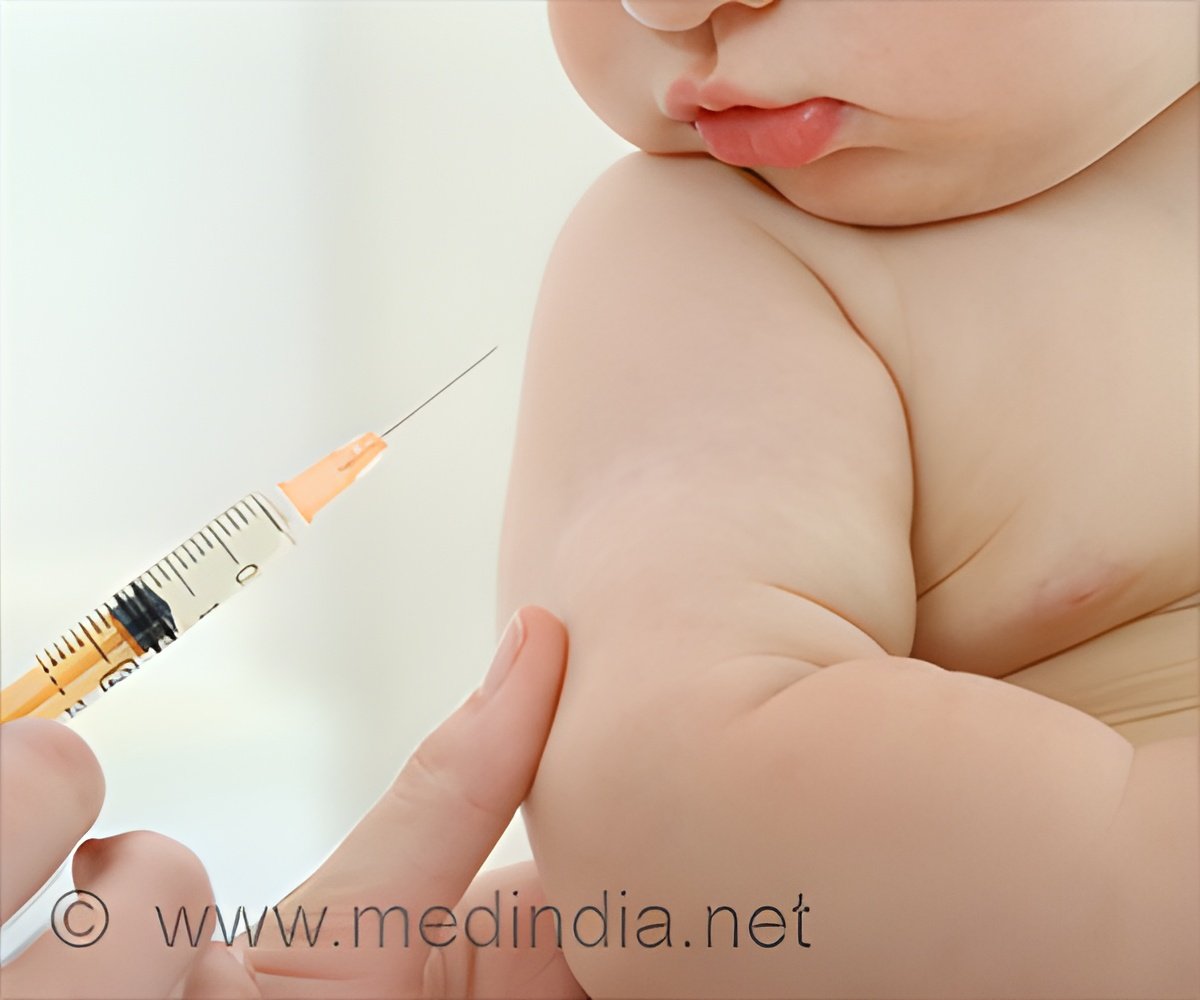
The Advisory Committee on Immunization Practices recommends two documented doses of the MMR vaccine for adult travelers without evidence of measles immunity. Such evidence includes a positive blood test for antibodies to the measles virus, a documented previous case of measles, or the individual's being born before 1957 when measles infection was extremely common.
The current study analyzed data from 24 Global TravEpiNet clinics that provide pre-travel health advice and vaccinations. These consultations use online questionnaires through which travelers indicate information on their current health, medical history and destination, and providers indicate the advice and services that were provided, including vaccinations.
India Witnessed More Than 50 Percent Mortality Reduction from Measles
The measles vaccine has saved more than 20 million lives since 2000, report finds.
The measles vaccine has saved more than 20 million lives since 2000, report finds.
Among more than 40,800 patients born after 1956 and seen for pre-travel consultation at Global TravEpiNet clinics from 2009 through 2014, 84 percent were determined to be immune to measles, primarily because of a history of two MMR vaccinations. Of the 6,612 remaining vaccine-eligible individuals, 3,477 (53 percent) were not vaccinated during the clinic visit. In 48 percent of those instances, the traveler refused vaccination. In 28 percent of consultations, providers decided not to suggest MMR vaccination; and in 24 percent, they referred the traveler to another provider for vaccination. Travelers refusing the MMR vaccine indicated a lack of concern about measles 74 percent of the time, concerns about vaccine safety 20 percent of the time, and concerns about costs 6 percent of the time.
30,000 Somali Children To Be Immunized Against Measles: UNICEF
Baidoa campaign is an effort to vaccinate about 30,000 children in Somaliland, against the deadly contagious disease.
Baidoa campaign is an effort to vaccinate about 30,000 children in Somaliland, against the deadly contagious disease.
Senior author Regina LaRocque, MD, MPH, explains, "Measles is one of the most infectious diseases known - 90 percent of people who are not immune will contract measles from an even-minimal exposure to someone who is infected. A single case of measles can spark a major outbreak, especially in communities were many people are not immune. Even though a case of measles can be limited to fever, rash and cough, many cases can be severe and require hospitalization. Getting immunized for measles prior to travel helps to protect everyone in the U.S. - in particular people who are immunosuppressed and babies too young to be immunized."
Measles Outbreak in Sydney Infected Another Six People
Measles is highly contagious and is spread in the air through coughing or sneezing by someone who is unwell with the disease.
Measles is highly contagious and is spread in the air through coughing or sneezing by someone who is unwell with the disease.
 Email
Email