MEDINDIA
 English
 हिन्दी
 Español
 français
 中文
中文
Nearly half of older adults in Sweden take 10 or more medications in their last months of life, according to a new study.


Lower Back Spine Surgery In Older Adults Show Good Outcomes
Lumbar (lower back) spine surgery is a common intervention for slipped disc but the surgical outcomes among elderly patients have been limited.
Lumbar (lower back) spine surgery is a common intervention for slipped disc but the surgical outcomes among elderly patients have been limited.
TOP INSIGHT

The simultaneous use of multiple medications has become commonplace among older adults.
In the context of end-of-life care, polypharmacy also raises important ethical questions about the potential futility of treatments close to death.
"People with life-limiting illness often receive medications whose benefit is unlikely to be achieved within their remaining lifespan," writes lead author Lucas Morin, of the Aging Research Center at Karolinska Institutet in Stockholm, Sweden. "However, previous studies have been conducted in selected samples of individuals. Future research and clinical guidelines need to be informed by findings that are generalizable beyond a specific illness or care setting."

Severe Foot Pain Associated With Recurrent Falls Among Older Adults
Severe foot pain and foot posture correlates to a higher incidence of recurrent falls among older adults, reveals study.
Severe foot pain and foot posture correlates to a higher incidence of recurrent falls among older adults, reveals study.
The study resulted in two main findings:

Shorter Hospital Stay can Increase 'readmission' Chances For Older Adults
Older adults who are readmitted to hospitals within one week tend to have a heavier burden of chronic disease than who are not readmitted as quickly.
Older adults who are readmitted to hospitals within one week tend to have a heavier burden of chronic disease than who are not readmitted as quickly.
Second, the researchers found that polypharmacy near the end of life is fueled not only by drugs prescribed for the purpose of symptom management (e.g. analgesics), but also by the frequent continuation of long-term preventive treatments and disease-targeted drugs. For instance, during their last month of life, a large proportion of older adults used platelet antiaggregants (45%), beta-blockers (41%), ACE inhibitors (21%), vasodilators (17%), statins (16%), calcium channel blockers (15%), or potassium-sparing agents (12%).
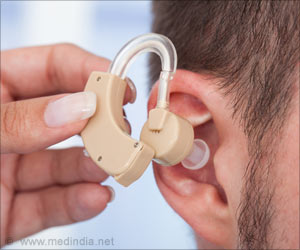
Older Adults Benefit from Hearing Aid Use
Although millions of Americans have hearing loss, there is no clinical research that has demonstrated the benefits of hearing aids in older adults.
Although millions of Americans have hearing loss, there is no clinical research that has demonstrated the benefits of hearing aids in older adults.
The authors call for the development of clinical guidelines to support physicians in their effort to reduce potentially futile drug treatments near the end of life.
Source-Eurekalert
 Email
Email