MEDINDIA
 English
 हिन्दी
 Español
 français
 中文
中文
A recent study that examined acute coronary disease (ACD) found that malnourishment is an important underlying factor in the disease. Also, about half of those found to be malnourished were overweight or obese.


Kwashiorkor | Protein Malnutrition - Causes, Symptoms, Diagnosis, Treatment, Complications and Prevention
Kwashiorkor is caused by severe protein malnutrition and is characterized by collection of fluid (edema) in the legs and belly. Kwashiorkor can be prevented by consuming a nutritious diet.
Kwashiorkor is caused by severe protein malnutrition and is characterized by collection of fluid (edema) in the legs and belly. Kwashiorkor can be prevented by consuming a nutritious diet.
TOP INSIGHT

It is very important to eliminate the thought that weight is correlated with food quality and that obese patients are not at risk of malnutrition, according to the authors.
"Malnutrition is a largely under-recognized and undertreated condition in patients with increased body mass index, as increased abdominal girth is too often mistaken for overnutrition rather than undernutrition," said Andrew Freeman, MD, director of cardiovascular prevention and wellness at National Jewish Health and co-author of the editorial.
The World Health Organization (WHO) reports that malnutrition affects more than four times more overweight or obese individuals than those who are underweight.

Malnutrition - Causes, Symptoms, Diagnosis, Treatment & Prevention
Malnutrition refers to imbalances in a person’s intake of energy or nutrients and can occur due to an excess consumption of nutrients or a lack of nutrients.
Malnutrition refers to imbalances in a person’s intake of energy or nutrients and can occur due to an excess consumption of nutrients or a lack of nutrients.
"It is imperative that individuals undergo nutritional assessments and are offered counseling and resources to ensure they are taking in the right nutrients to adequately fuel their body. If left untreated, malnutrition leads to serious health conditions including diabetes, hypertension and heart disease,” says Dr. Freeman.

Malnutrition to Obesity - The Big Leap
Obesity is the root cause of problems like diabetes, heart disease, stroke, arthritis and gall bladder disease. A serious look at our strategies is needed to tackle this fast growing epidemic.
Obesity is the root cause of problems like diabetes, heart disease, stroke, arthritis and gall bladder disease. A serious look at our strategies is needed to tackle this fast growing epidemic.
Clinicians are recommended to be well-versed in the dietary patterns known to alleviate or even reverse cardiovascular disease, as well as physical activity guidelines and self-care practices such as stress relief, mindfulness and good, quality sleep.
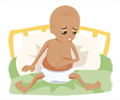
Marasmus | Protein-Energy Malnutrition - Causes, Symptoms, Diagnosis, Treatment and Prevention
Marasmus is a severe potentially life-threatening form of malnutrition caused by a diet deficient in calories and proteins. There is significant wasting of fats, muscles, and tissues of the body leading to a "skin and bones" appearance.
Marasmus is a severe potentially life-threatening form of malnutrition caused by a diet deficient in calories and proteins. There is significant wasting of fats, muscles, and tissues of the body leading to a "skin and bones" appearance.
Prior studies have reported that eating whole grains, legumes, fruits, vegetables, nuts, and seeds are beneficial in reducing blood pressure, blood glucose, cholesterol and inflammatory markers.
Treatment of at-risk patients is suggested to include counseling on how to shift towards a diet that is rich in healthier food options.
Source-Medindia
 Email
Email