MEDINDIA
 English
 हिन्दी
 Español
 français
 中文
中文
RAP01 and RAP21 proteins were identified as potential targets for novel antimalarial and antiparasitic strategies.
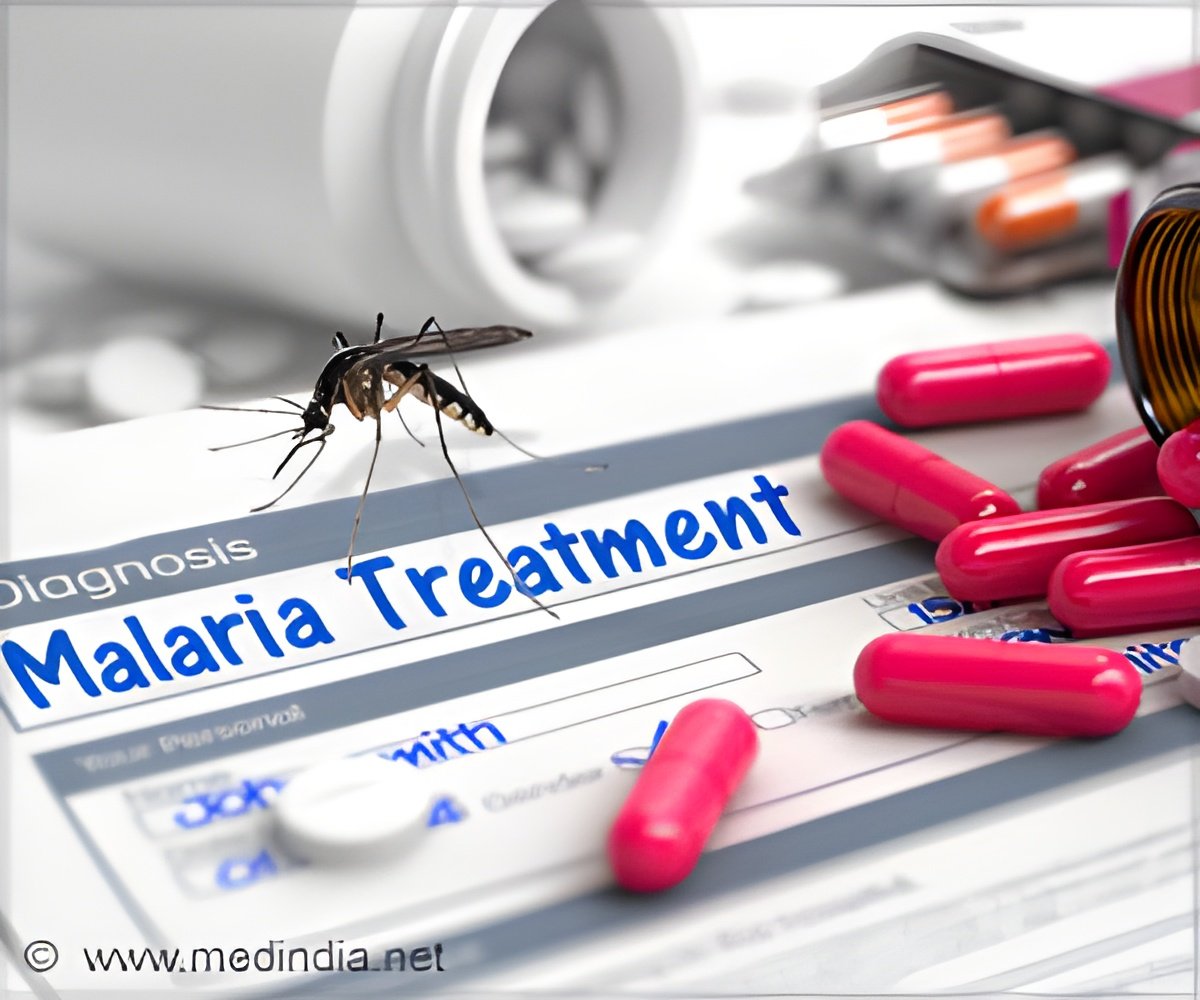
Malaria - Causes, Symptoms, Diagnosis, Prevention, Treatment
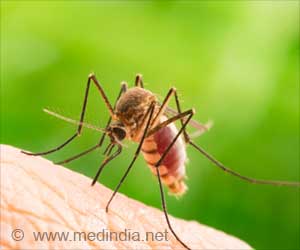
Malaria is caused by a parasite that enters blood through the bite of an infected mosquito. It is characterized by fever, vomiting, shivering, sweating and other symptoms.
Malaria is caused by a parasite that enters blood through the bite of an infected mosquito. It is characterized by fever, vomiting, shivering, sweating and other symptoms.
TOP INSIGHT

Malaria, a mosquito-borne disease, killed more than 620,000 people worldwide in 2020. Jeopardizing the survival of Plasmodium falciparum, the malaria parasite, is one way to control the spread of this deadly disease.
Le Roch explained that human cells have only a small number of RAP proteins. But Apicomplexan parasites — such as P. falciparum and the toxoplasmosis-causing microbe Toxoplasma gondii — have a large number of these proteins. Further, the mitochondria in Apicomplexan parasites differ greatly from those in humans. For example, Apicomplexan parasites have many fragmented ribosomal RNAs in their mitochondria. Human mitochondria, on the other hand, have long, unfragmented ribosomal RNAs.
“RAP01 and RAP21 may be instrumental in bringing all the fragmented ribosomal RNAs together,” said Le Roch, who directs the UCR Center for Infectious Disease and Vector Research. “These RNAs are essential for protein translation in the mitochondria. If drugs can be developed to knock down RAP01 and RAP21, the whole process would be interrupted, leading to the parasite’s death. Such drugs are unlikely to affect human mitochondria because they differ vastly from mitochondria of Apicomplexan parasites.”
Malaria - Protection Strategies
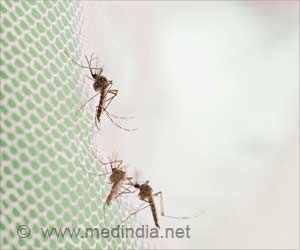
Malaria is a dangerous disease with lethal consequences that requires protective measures for prevention and control of malaria in endemic regions of the world.
Malaria is a dangerous disease with lethal consequences that requires protective measures for prevention and control of malaria in endemic regions of the world.
Le Roch was joined in the research by Thomas Hollin, Steven Abel, Anil Bhatia, Manhoi Hur, Jay S. Kirkwood, Jacques Prudhomme and Amancio de Souza at UCR; Alejandra Falla, Charisse Flerida A. Pasaje, and Jacquin C. Niles at the Massachusetts Institute of Technology; and Anita Saraf and Laurence Florens at the Stowers Institute for Medical Research in Missouri.
Malaria Waterborne - Causes Transmission Diseases Microscopic Examinations Serological Examinations
Encyclopedia section of medindia gives general information about About Malaria Causes
Encyclopedia section of medindia gives general information about About Malaria Causes
The research paper is titled “Functional genomics of RAP proteins and their role in mitoribosome regulation in Plasmodium falciparum.”

Quiz on Malaria
Malaria is a common parasitic disease of the tropics, resulting in a million deaths every year. It is most commonly found in tropical countries. The symptoms of malaria include fever with chills, headache, muscle aches, tiredness, nausea, vomiting, and diarrhea. Malaria fatalities can be reduced if they are detected early and treated appropriately
Malaria is a common parasitic disease of the tropics, resulting in a million deaths every year. It is most commonly found in tropical countries. The symptoms of malaria include fever with chills, headache, muscle aches, tiredness, nausea, vomiting, and diarrhea. Malaria fatalities can be reduced if they are detected early and treated appropriately
 Email
Email