MEDINDIA
 English
 हिन्दी
 Español
 français
 中文
中文
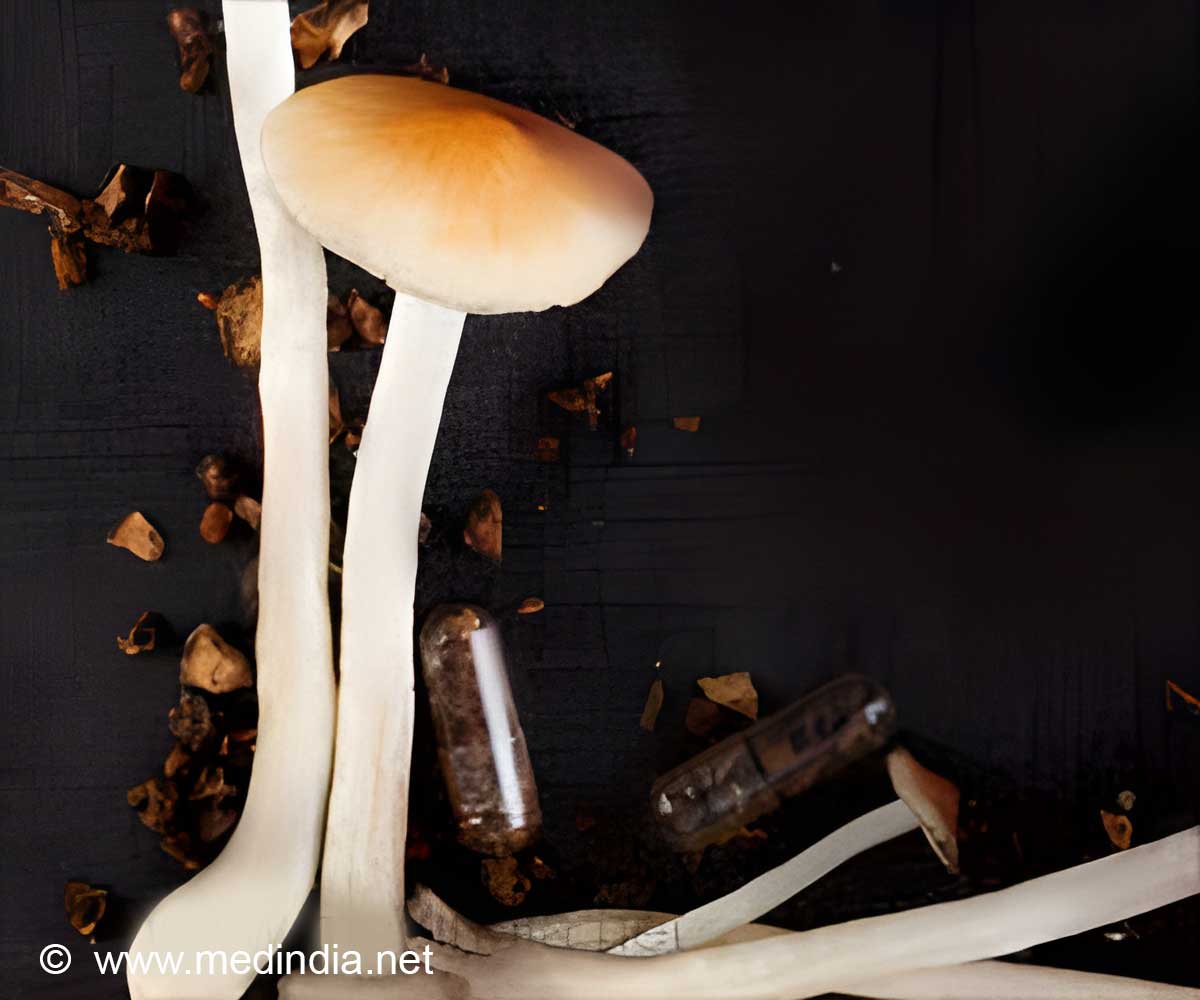
Psilocybin or Magic mushrooms may act therapeutically on the brain to alleviate depression and other psychiatric conditions by fixed patterns of thinking.

Clinical Depression - Causes Symptoms Diagnosis Treatment FAQ
Clinical Depression is a serious medical condition that affects majority of people at some point in their lives. Symptoms of clinical depression include sleep disorder, loss of appetite.
Clinical Depression is a serious medical condition that affects majority of people at some point in their lives. Symptoms of clinical depression include sleep disorder, loss of appetite.
TOP INSIGHT

Psilocybin works differently from conventional antidepressants making the brain more flexible and fluid and less entrenched in the negative thinking patterns associated with depression.
The scans, which were done before and after treatment, showed the psilocybin treatment reduced connections within brain areas that are tightly connected in depression including the default mode, salience, and executive networks, and increased connections to other regions of the brain that had not been well integrated.
These changes lasted until the study ended three weeks after the second psilocybin dose. No such changes were seen in the brains of those who received escitalopram, suggesting that psilocybin acts differently on the brain than SSRIs.

Herbs that Reduce Anxiety and Depression
Read on to find out which herbs and herbal products are useful and effective in treating the chronic and recurring disorders such as anxiety and depression.
Read on to find out which herbs and herbal products are useful and effective in treating the chronic and recurring disorders such as anxiety and depression.
“In previous studies we had seen a similar effect in the brain when people were scanned whilst on a psychedelic, but here we’re seeing it weeks after treatment for depression, which suggests a carry-over of the acute drug action,” said Robin Carhart-Harris, Ph.D., who directs the Neuroscape Psychedelics Division at UCSF and is the senior author of the study.

Antipsychotic Medications - Types, Side Effects and Precautionary Measures
Antipsychotics are the class of drugs which help in treating mental disorders like schizophrenia, bipolar disorders and other stress related psychosis symptoms.
Antipsychotics are the class of drugs which help in treating mental disorders like schizophrenia, bipolar disorders and other stress related psychosis symptoms.
The trials took place under controlled, clinical conditions, using a regulated dose formulated in a laboratory, and involved extensive psychological support before, during, and after dosing.

Air Pollution Linked to Depression in Adolescents
Teenagers who live in highly polluted areas are at greater risk for experiencing depressive symptoms over time than those who live in areas with lower levels.
Teenagers who live in highly polluted areas are at greater risk for experiencing depressive symptoms over time than those who live in areas with lower levels.
Source-Medindia
 Email
Email