MEDINDIA
 English
 हिन्दी
 Español
 français
 中文
中文
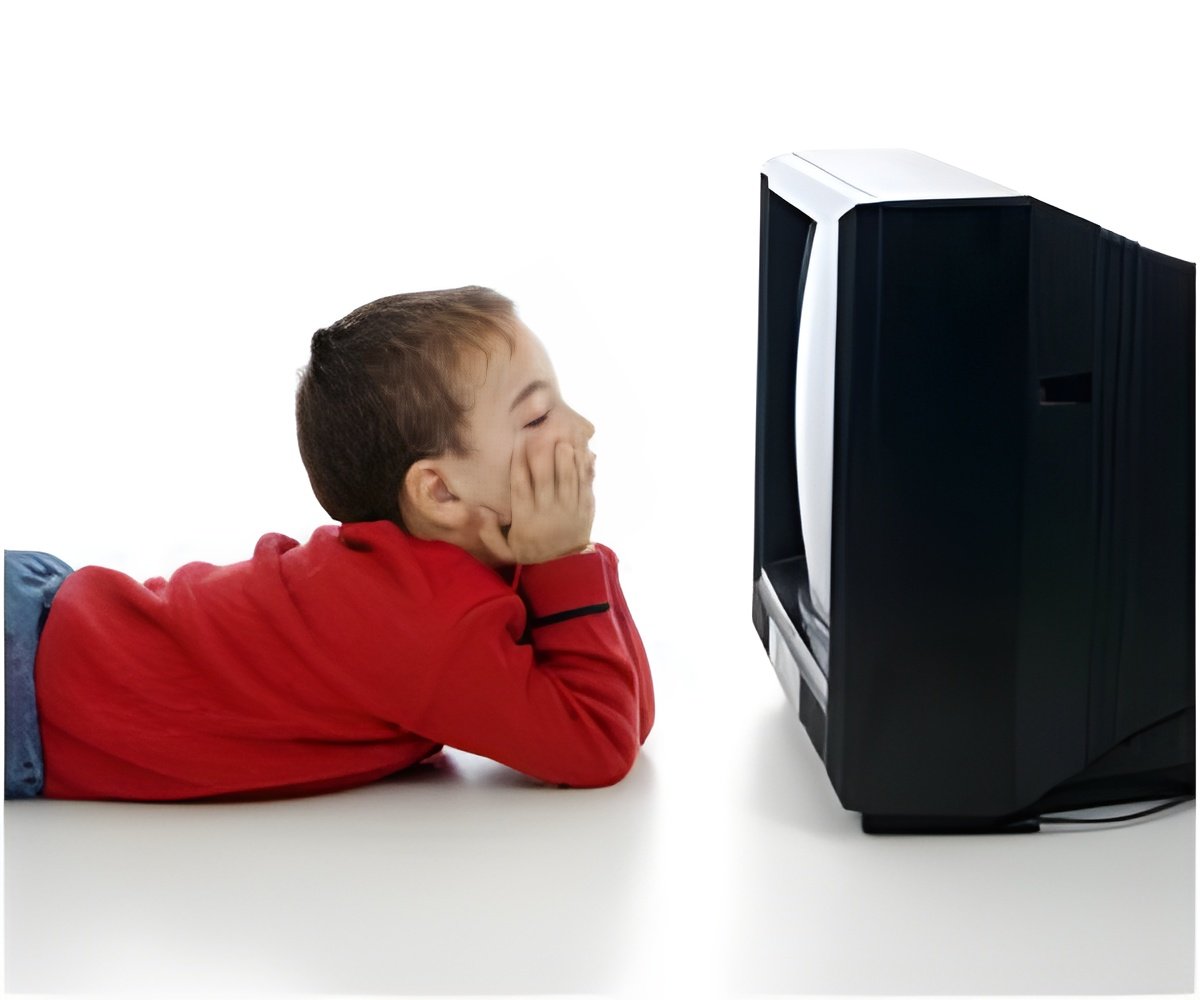
Parents’ income and educational levels are often associated with less physical activity and screen time for children.
Encourage Physical Activity among Children
Physically active children are less susceptible to develop cardiometabolic ailments; encourage your kids to participate in outdoor activities and stay fit.
Physically active children are less susceptible to develop cardiometabolic ailments; encourage your kids to participate in outdoor activities and stay fit.
TOP INSIGHT

Parents’ income and educational levels were often associated to children’s physical activity and sedentary behavior.
Confounding factors ranging from age and gender to the time of year of filling out the questionnaire were controlled for in the analyses. The findings were published in the European Journal of Sport Science, and they constitute part of the Physical Activity and Nutrition in Children (PANIC) Study carried out in the University of Eastern Finland.
Low socio-economic family background reduces physical activity especially in boys
Impact of Parents’ Physical Activity on Preschoolers
The study aims to examine the impact of parent modeling of physical activity (PA) and sedentary behaviors on their preschool-aged children.
The study aims to examine the impact of parent modeling of physical activity (PA) and sedentary behaviors on their preschool-aged children.
"These significant differences in children's amount of physical activity, caused by their different socio-economic backgrounds, are a cause of concern especially among boys. Tools for increasing the amount of physical activity and reducing screen time should be made available to children coming from families with the lowest socio-economic backgrounds in particular," says Eeva Lampinen, MSc (Sport and Health Sciences), from the University of Eastern Finland.

Girls from Low-Income Families Feel Unprepared for Puberty
The majority of low-income girls feel they lack the information and readiness to cope with the onset of menstruation.
The majority of low-income girls feel they lack the information and readiness to cope with the onset of menstruation.
The study found that 44 per cent of girls and 56 per cent of boys got the recommended amount of daily physical activity. However, nearly half of the children had more than the recommended two hours of screen time, especially on weekends.

Physical Activity Protects Children From Depression
Moderate-to-vigorous physical activity in childhood reduces the likelihood of depression in adolescence and adulthood.
Moderate-to-vigorous physical activity in childhood reduces the likelihood of depression in adolescence and adulthood.
Source-Eurekalert
 Email
Email