MEDINDIA
 English
 हिन्दी
 Español
 français
 中文
中文
HPV kits are a key step in India's self-reliance and achieving WHO’s target of screening 70% of women by 2030.
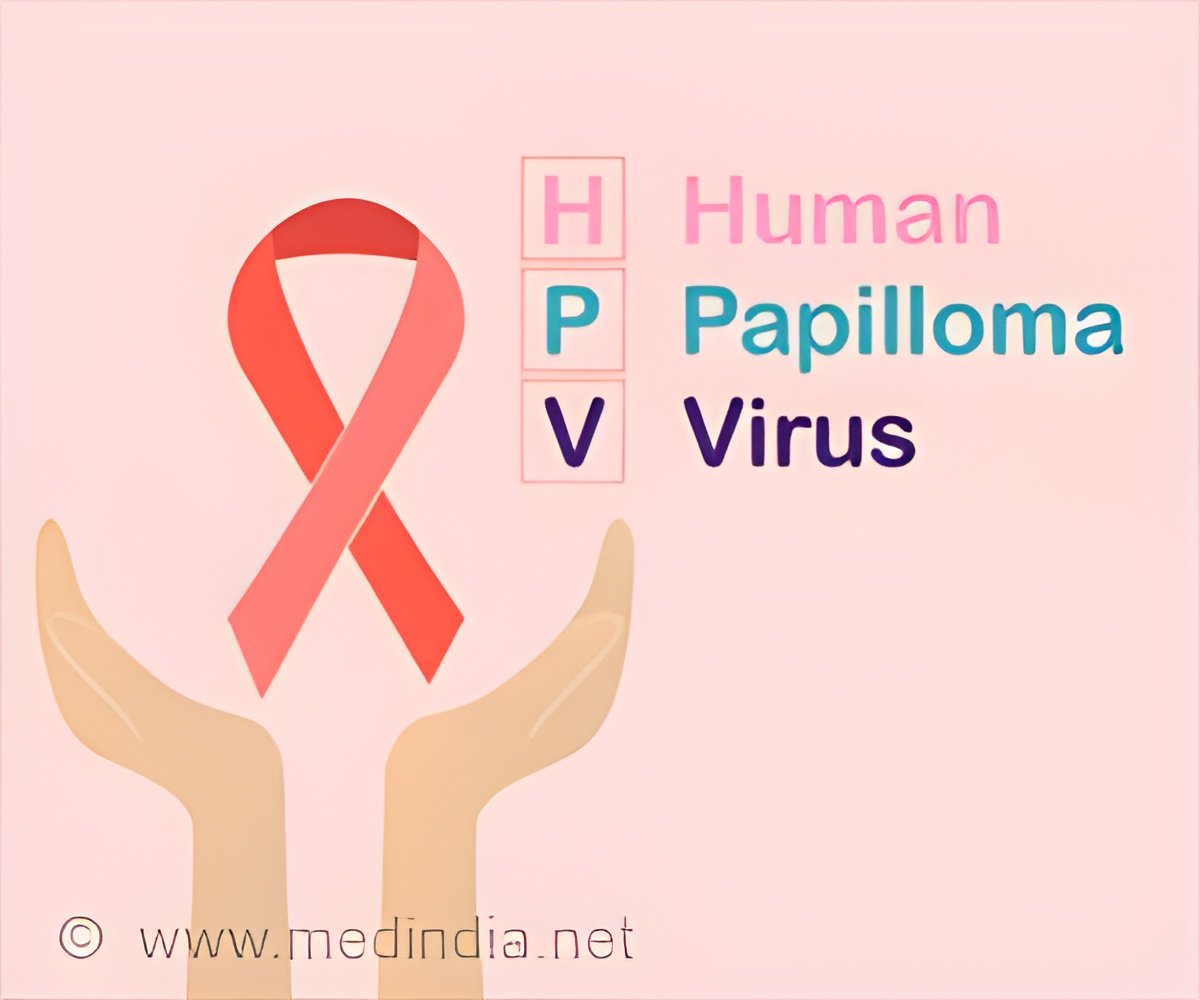
India's Urgent Battle Against Cervical Cancer
Cervical cancer remains a major public health concern in India (1✔ ✔Trusted SourceNavigating the landscape of cervical cancer in India: Epidemiology, prevention, current status, and emerging solutions
Go to source), contributing to nearly one-quarter of global deaths from the disease. With one in five cervical cancer cases worldwide found in Indian women, the need for accurate and accessible screening tools has been urgent. Traditional methods like Pap smears and VIA/VILI inspections have helped, but their dependency on highly trained personnel and variable accuracy have limited their national impact.
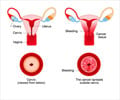
Cervical Cancer
Cancer cervix refers to cancerous growth in the cervix and usually occurs in the transition called squamo-columnar junction.
Cancer cervix refers to cancerous growth in the cervix and usually occurs in the transition called squamo-columnar junction.
TOP INSIGHT

India unveils its first affordable, homegrown #HPV test, making crucial #cervicalcancer screening accessible to more. #cancer_screening #womenshealth
The newly launched RT-PCR-based HPV test kits provide a breakthrough by offering reliable results, affordability, and ease of use — particularly important for wide deployment in rural and resource-limited areas. Unlike earlier models, these indigenous kits specifically target the 7–8 high-risk HPV strains responsible for the majority of cervical cancer cases, minimizing false positives and enhancing screening efficiency.
The innovation stems from a comprehensive multi-institutional project titled "Validation of Indigenous Human Papillomavirus Tests for Screening Cervical Cancer in India (i-HPV)." Institutions like AIIMS New Delhi, NICPR Noida, NIRRCH Mumbai, and WHO’s International Agency for Research on Cancer (IARC) contributed to the research. These kits were validated both in advanced labs and in real-world conditions using minimally trained healthcare workers to simulate the rural healthcare environment.

Pap smear and Cervical Cancer Screening
Pap smear is the most common test used in screening cervical cancer caused by an infection with human papilloma virus. Pap smear should be repeated every 1 to 3 years till the age of 65 years.
Pap smear is the most common test used in screening cervical cancer caused by an infection with human papilloma virus. Pap smear should be repeated every 1 to 3 years till the age of 65 years.
The availability of local HPV kits arrives at a crucial time. India's expanded RT-PCR infrastructure, originally built to battle COVID-19, now provides a ready platform for large-scale cervical cancer screening efforts.

Women and Cancer
Cancer is one of the frequently talked about and most feared disease that falls under the genre of lifestyle diseases that have evolved, rather rapidly, in the past two decades.
Cancer is one of the frequently talked about and most feared disease that falls under the genre of lifestyle diseases that have evolved, rather rapidly, in the past two decades.
However, experts caution that while technology can enable screening, building public awareness is equally critical. Dr. Bhatla pointed out that HPV screening should ideally begin after age 30, as early infections often clear without intervention. Persistent infections, present in about 10% of women, pose the real threat and can be effectively managed with timely diagnosis.
Quiz on Cervical Cancer
Cervical cancer remains a common cancer in women of the developing world despite a test available for early diagnosis and a vaccine to prevent it. Here’s a quiz to test your knowledge on cervical cancer. ...
Cervical cancer remains a common cancer in women of the developing world despite a test available for early diagnosis and a vaccine to prevent it. Here’s a quiz to test your knowledge on cervical cancer. ...
Reference:
- Navigating the landscape of cervical cancer in India: Epidemiology, prevention, current status, and emerging solutions - (https://obgyn.onlinelibrary.wiley.com/doi/10.1111/jog.16030?af=R)
Source-Medindia
 Email
Email