MEDINDIA
 English
 हिन्दी
 Español
 français
 中文
中文
Do symptoms of long COVID in children change? Yes, some of the children’s original symptoms declined, and new symptoms were reported.


Post-COVID Syndrome
Post-COVID complications are the conditions that develop weeks after recovering from COVID-19
Post-COVID complications are the conditions that develop weeks after recovering from COVID-19
TOP INSIGHT

The symptoms of long COVID experienced by children and young people change over time and clinicians need to be aware of this.
They asked the children and young people what they had experienced from a list of 21 symptoms, including shortness of breath and tiredness, as well as using validated scales to assess the quality of life, mental health, well-being, and fatigue.
Long COVID In Children: New Study Looks at Symptoms, Duration
The team found that, at the time of testing, health issues were more common in children and young people who had tested positive for the virus compared to those who tested negative, as well as six months and 12 months post PCR test.They also noted that the symptoms experienced changed over a year. And while some of the children’s original symptoms declined, new symptoms were reported.

Can Long COVID-19 be Blamed for Feeling Breathless After Exercising
Feeling out of Breath while exercising after COVID-19? It could be a symptom of Long COVID that decreases heart rate and oxygen concentration during exercise.
Feeling out of Breath while exercising after COVID-19? It could be a symptom of Long COVID that decreases heart rate and oxygen concentration during exercise.
As a result, they concluded that the symptoms of long COVID experienced by children and young people change over time and that clinicians should be aware of this.

Blood Test: A Simple Tool to Predict Long COVID
Are you at risk of developing long covid? Take a simple blood test using an artificial intelligence (AI) algorithm at the time of COVID-19 infection.
Are you at risk of developing long covid? Take a simple blood test using an artificial intelligence (AI) algorithm at the time of COVID-19 infection.
This CLoCK study is one of four major studies funded by NIHR and UKRI to help improve understanding of the causes, symptoms, and treatment of the longer-term effects of COVID-19 in people who have not become unwell enough to be admitted to the hospital.
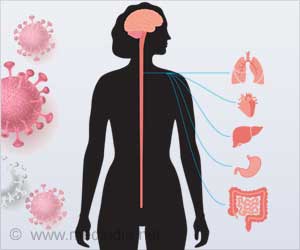
Suffering from Long Covid Symptoms? Blame the Vagus Nerve
Vagus nerve dysfunction (VND) is the reason for some long Covid symptoms, such as dysphonia, dysphagia, tachycardia and orthostatic hypotension.
Vagus nerve dysfunction (VND) is the reason for some long Covid symptoms, such as dysphonia, dysphagia, tachycardia and orthostatic hypotension.
Source-Eurekalert
 Email
Email