MEDINDIA
 English
 हिन्दी
 Español
 français
 中文
中文
Drinking 3.5 to 4.5 cups of unsweetened black tea daily is associated with reduced risk of all-cause, cancer, and cardiovascular mortality.

Highlights:
Drinking unsweetened tea reduces the risk of all-cause mortality, cancer, and cardiovascular diseases compared to sugar-sweetened and artificially sweetened tea. A publication in Frontiers in Nutrition explored the effect of various types of tea, unsweetened, sugar-sweetened, and artificially sweetened, on overall and cause-specific mortality (1✔ ✔Trusted Source- Unsweetened tea consumption lowers all-cause mortality risk by 20 percent
- Sugar and artificial sweeteners in tea reduce its health benefits
- Optimal health effects found at 3.5 to 4.5 cups of tea daily
The associations of unsweetened, sugar-sweetened, and artificially sweetened tea consumption with all-cause and cause-specific mortality in 195,361 UK Biobank participants: a large prospective cohort study
Go to source). Tea is one of the most consumed beverages globally, with over 2 billion daily drinkers. Annual per capita consumption exceeds 100 liters in countries like the United Kingdom and China. Rich in secondary metabolites such as phenols and flavonoids, tea provides antioxidant benefits. Prior studies have confirmed its protective role against conditions such as cancer and cardiovascular disease. Moderate consumption has also been associated with a lower risk of dying from any cause.

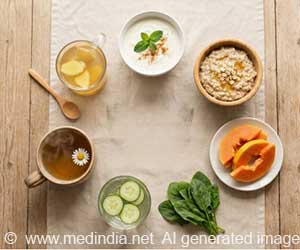
How to Brew Hibiscus Tea: A Simple Recipe and Its Health Benefits
Hibiscus tea is a vibrant herbal infusion known for its health benefits, including heart health support, digestion aid, and rich antioxidant properties.
Hibiscus tea is a vibrant herbal infusion known for its health benefits, including heart health support, digestion aid, and rich antioxidant properties.
TOP INSIGHT

Did You Know?
Drinking 3.5 to 4.5 cups of unsweetened black tea daily can reduce your risk of dying from cancer by 14 percent and heart diseases by 27 percent. #unsweetenedtea #teahealthbenefits #medindia
Concerns Over Sweetened and Artificially Sweetened Tea
In recent years, the global intake of sugar-sweetened beverages, including sweetened tea, has risen, contributing to higher daily sugar consumption. As people increasingly prefer sweetened versions of tea, it becomes essential to understand if adding sugar or artificial sweeteners impacts the health benefits of tea.High intake of sugar, particularly from sweetened drinks, is already linked to higher risk of obesity, type 2 diabetes, cardiovascular disease, and cancer. Although artificially sweetened beverages were once considered a healthier alternative, recent evidence contradicts this belief. For example, the World Health Organization has listed aspartame, a widely used artificial sweetener, as a possible carcinogen.
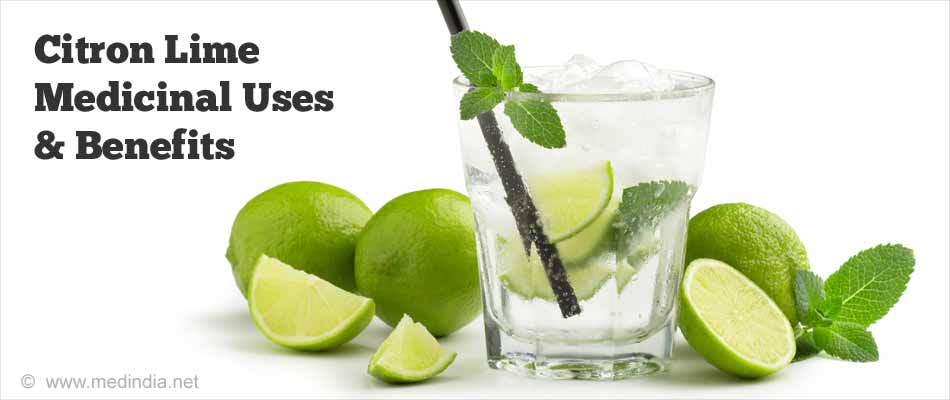
Sweet Tea or Water With Lime Damages Teeth
Squeezing in lime juice to tea or a glass of water might be refreshing but it increases the chances of tooth erosion due to its acidic nature.
Squeezing in lime juice to tea or a glass of water might be refreshing but it increases the chances of tooth erosion due to its acidic nature.
Study Design and Participant Selection
To investigate the associations between tea type and mortality outcomes, researchers analyzed data from 195,361 individuals enrolled in the UK Biobank, a large cohort study of more than 500,000 people across England, Scotland, and Wales. Participants ranged from 37 to 73 years of age and provided detailed health and dietary information.Individuals who completed at least one 24-hour dietary recall between April 2009 and June 2012 were included, while pregnant participants, those lost to follow-up, those with incomplete data, or those reporting extreme energy intake were excluded. Tea consumption habits—including type, quantity, and use of sweeteners—were collected via touchscreen questionnaires.

Beverages, tea, instant, lemon, sweetened, prepared with water - Nutrition Facts
Know nutrition and calorie facts in 100gms of Beverages, tea, instant, lemon, sweetened, prepared with water. Includes - total fat, carbohydrates, proteins, vitamins and minerals.
Know nutrition and calorie facts in 100gms of Beverages, tea, instant, lemon, sweetened, prepared with water. Includes - total fat, carbohydrates, proteins, vitamins and minerals.
Classification of Tea Drinkers and Analysis
Participants were grouped as non-consumers, unsweetened tea consumers, sugar-sweetened tea consumers, or artificially sweetened tea consumers. Individuals who consumed multiple types of tea were classified as overlapping consumers and excluded from the analysis. Health and demographic information was also collected.A standard tea drink was defined as 250 milliliters. Most participants consumed black tea. In total, 195,361 individuals were analyzed for all-cause mortality, 186,934 for cardiovascular disease mortality, and 178,057 for cancer mortality.

Can Drinking Tea Keep You Hydrated?
Tea, including caffeinated and herbal varieties, can be hydrating and contribute to your daily fluid needs. Learn the facts behind this common health myth.
Tea, including caffeinated and herbal varieties, can be hydrating and contribute to your daily fluid needs. Learn the facts behind this common health myth.
Key Patterns Among Tea Drinkers
About 82 percent of participants were tea drinkers. Of these, 81.6 percent drank unsweetened tea, 12.2 percent consumed sugar-sweetened tea, and 6.2 percent drank tea with artificial sweeteners. On average, sweetened tea contained 1.1 teaspoons of sugar or 1.4 teaspoons of artificial sweeteners per cup.Non-tea drinkers had a higher average body mass index compared to tea drinkers. Unsweetened tea consumers tended to lead healthier lifestyles, including lower body mass index, higher education levels, and lower basal metabolic rates. In contrast, sugar-sweetened tea drinkers were predominantly male, had higher energy intake, and consumed less fruit.
Characteristics of Sweetened Tea Drinkers
Artificially sweetened tea drinkers were more often older, had higher body mass index, and were likely to be current or former smokers. These individuals also had higher rates of hypertension, diabetes, cardiovascular disease, and other long-term illnesses.A Cox proportional hazards analysis, adjusted for various health and lifestyle factors, revealed a strong inverse relationship between unsweetened tea consumption and all-cause mortality. This trend followed a U-shaped curve, with the most benefit observed among those consuming 3.5 to 4.5 cups of tea daily.
Mortality Risk Reduction with Unsweetened Tea
Compared to non-tea drinkers, individuals consuming 3.5 to 4.5 cups of unsweetened tea daily had a 20 percent lower risk of all-cause mortality. This level of consumption was also linked to a 14 percent lower risk of cancer mortality and a 27 percent lower risk of cardiovascular disease mortality.Neither sugar-sweetened nor artificially sweetened tea showed a significant link with reductions in any type of mortality. These findings suggest that adding sweeteners may diminish or cancel out the potential health benefits of tea.
Subgroup Trends and Further Analysis
The mortality benefit of unsweetened tea was consistent across most subgroups, except among people with low physical activity, those from non-White ethnic backgrounds, and individuals with diabetes. Sensitivity analyses confirmed that the observed associations remained robust even when early deaths were excluded or factors like diet quality and caffeine metabolism were considered.Since black tea was the primary type consumed, it is likely responsible for the observed effects. Further research is needed to determine whether similar outcomes occur with green or herbal teas and how mixed tea consumption habits influence results.
In conclusion, drinking 3.5 to 4.5 cups of unsweetened black tea daily is associated with a significantly lower risk of dying from any cause, including cancer and cardiovascular diseases. These benefits are not observed with sugar-sweetened or artificially sweetened tea, suggesting that adding sweeteners may reduce tea’s protective effects.
Reference:
- The associations of unsweetened, sugar-sweetened, and artificially sweetened tea consumption with all-cause and cause-specific mortality in 195,361 UK Biobank participants: a large prospective cohort study - (https://www.frontiersin.org/journals/nutrition/articles/10.3389/fnut.2025.1649279/full)
Source-Medindia
 Email
Email