MEDINDIA
 English
 हिन्दी
 Español
 français
 中文
中文
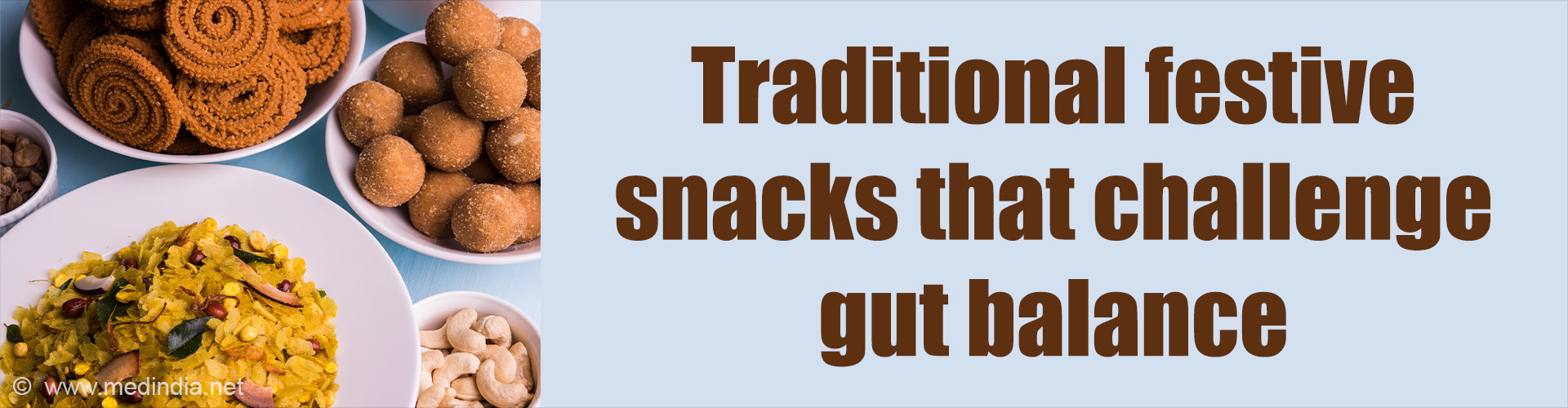
Festive indulgence can upset your digestive balance, causing bloating and discomfort. But science shows that small mindful habits can help your gut recover fast.
Highlights:
A season of joy, sweets, and celebration often brings an unexpected guest: digestive distress. From rich meals to irregular routines, the gut bears the brunt of holiday indulgence (1✔ ✔Trusted Source- Mindless festive eating can trigger a “gut crash” and inflammation
- Hydration, fiber, and fermented foods help restore microbial balance
- Stress, sleep, and portion control are vital for gut recovery
Stress, depression, diet, and the gut microbiota: human-bacteria interactions at the core of psychoneuroimmunology and nutrition
Go to source). Experts say that understanding the so-called “gut crash” and adopting mindful eating habits can protect digestive harmony and boost post-festive recovery.

Fiber in Diet Calculator
Use this calculator to find out your daily fiber intake and see if it meets the international standards for your age and gender.
Use this calculator to find out your daily fiber intake and see if it meets the international standards for your age and gender.
TOP INSIGHT

Did You Know?
Just one night of overindulgence can upset your #gut microbes for days. Celebrate smart with hydration, movement, and mindful eating. #guthealth #festiveeating #digestivewellness #medindia
Understanding the “Gut Crash” Phenomenon
A gut crash refers to short-term digestive imbalance triggered by heavy, processed, or sugary foods along with poor sleep or hydration.According to research in Frontiers in Immunology, even brief dietary disruptions can disturb the gut microbiome—the vast bacterial ecosystem crucial for immunity and digestion. Such imbalances often result in bloating, constipation, or gut inflammation. Another 2025 review in *Gut Microbiota and Health Reviews* confirmed that high-fat, high-sugar diets reduce microbial diversity and cause gastrointestinal distress.
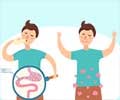
How to Improve and Reset Your Gut for Better Health
Learn how to quickly rebalance and restore your gut health with dietary and lifestyle changes.
Learn how to quickly rebalance and restore your gut health with dietary and lifestyle changes.
Fiber and Hydration: The Festive Gut’s Best Friends
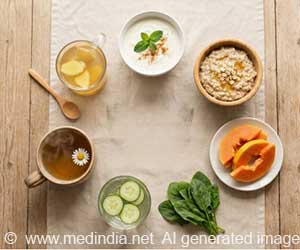
Experts emphasize that the simplest tools for gut balance are fiber and water. A McLaren Health Digest (2024) report highlights that eating fruits, vegetables, and whole grains ensures smoother digestion and supports beneficial bacterial growth.These prebiotic fibers fuel healthy gut microbes and promote the production of short-chain fatty acids, powerful compounds that reduce inflammation and strengthen intestinal walls. Staying hydrated prevents constipation and helps the body eliminate toxins efficiently.
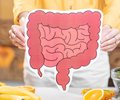
Gut Health Wars: Vegan, Vegetarian, or Omnivore - Who Wins?
Does your diet- vegan, vegetarian, or omnivorous- impact your gut health? Yes, but food diversity and quality play a bigger role than diet type.
Does your diet- vegan, vegetarian, or omnivorous- impact your gut health? Yes, but food diversity and quality play a bigger role than diet type.
Probiotics and Prebiotics: Nurturing Your Microbiome
When festive meals tip the microbial balance, probiotics and prebiotics can help the gut bounce back. Yogurt, kefir, sauerkraut, and fermented foods are rich in probiotics that restore beneficial bacteria.Prebiotics, found in onions, garlic, bananas, and oats, act as food for these microbes, promoting growth and diversity. A 2024 review by Wellness Hub found that combining both can speed up digestive recovery and boost immune resilience during the festive season.

Quiz on Gut Microbiome
Step into the vast realm of the gut microbiome with our interactive quiz! Ever wondered about the billions of microorganisms thriving in your digestive system? This quiz is designed to help you understand about the ...
Step into the vast realm of the gut microbiome with our interactive quiz! Ever wondered about the billions of microorganisms thriving in your digestive system? This quiz is designed to help you understand about the ...
Stress, Sleep, and the Hidden Gut Connection
Celebrations often disrupt sleep and raise stress, two key triggers of gut imbalance. Studies in *Frontiers in Immunology (2022)* reveal that stress hormones like cortisol damage intestinal bacteria and increase gut permeability.Experts at Kaizen Gastro Care suggest maintaining consistent sleep schedules, practicing mindfulness, and doing gentle yoga or post-meal walks to enhance digestion naturally. These small adjustments help keep the gut calm and functional even during hectic festivities.
Smart Eating Habits for a Happy Gut
Skipping meals to “save space” and bingeing later disrupts metabolic rhythm. Research from *Winter Holidays and Eating Behavior (2023)* shows that irregular eating patterns slow gastric emptying and can worsen bloating.Instead, eating smaller, balanced meals and chewing thoroughly improves enzymatic digestion and prevents reflux. Limiting alcohol and opting for water between drinks reduces gut inflammation and keeps you energized throughout the celebrations.
The Gut’s Remarkable Resilience
Medical literature offers a silver lining: the gut is incredibly adaptive. A 2022 *Frontiers in Immunology* review notes that balanced, plant-rich diets can restore microbial harmony after brief indulgences.Studies on PubMed further confirm that hydration, moderate portions, and reduced sugar intake lower post-holiday inflammation and enhance microbial recovery.
Takeaway: Celebrate with Care
Enjoying traditional sweets is fine when balanced with fiber, hydration, and rest. Ultimately, the best festive reward isn’t just good food but a balanced gut that sustains joy, energy, and immunity long after the lights fade.Reference:
- Stress, depression, diet, and the gut microbiota: human–bacteria interactions at the core of psychoneuroimmunology and nutrition - (https://www.sciencedirect.com/science/article/abs/pii/S2352154618301608?via%3Dihub)
Source-Medindia
 Email
Email