MEDINDIA
 English
 हिन्दी
 Español
 français
 中文
中文
Individualised and family-based dietary and physical activity intervention decreased the plasma LDL cholesterol concentration of primary school children, reports a new study.

LDL Cholesterol Lowering Genetic Variants May Increase the Risk of Diabetes
A research study in United Kingdom has found the association of low density lipoproteins cholesterol lowering genetic variants with high risk of diabetes.
A research study in United Kingdom has found the association of low density lipoproteins cholesterol lowering genetic variants with high risk of diabetes.
TOP INSIGHT

Individualised and family-based dietary and physical activity counseling integrated into the services provided by maternity clinics and school health care could prevent the development of lifestyle diseases in the long run and, consequently, mitigate health care costs.
The study showed that increasing the consumption of high-fat vegetable oil-based spreads and decreasing the consumption of butter-based spreads played the most important role in decreasing the LDL cholesterol concentration. Replacing high-fat milk with low-fat milk, and doing more physical activity, also explained some of the decrease in the LDL cholesterol concentration.
Having an elevated LDL cholesterol concentration in childhood may predict artery wall thickening in adulthood. The results of this newly published study thus suggest that a family-based dietary and physical activity intervention may prevent the development of atherosclerosis in adulthood.
Dyslipidemia | Lipid Disorders - Levels, Symptoms, Signs, Diagnosis, Treatment and Prevention
Dyslipidemia is a condition due to imbalance of fats in blood. Find out more about dyslipidemia, its causes and methods to treat the condition.
Dyslipidemia is a condition due to imbalance of fats in blood. Find out more about dyslipidemia, its causes and methods to treat the condition.
During the two-year follow-up, families participated in six individualized dietary and physical activity counseling sessions. The sessions were individually tailored to each family, and they focused on improving the quality of the family's diet, increasing physical activity, and reducing screen time. In addition, children were encouraged to participate in weekly after-school exercise clubs. Children's plasma lipids were analyzed at the beginning and at the end of the study.
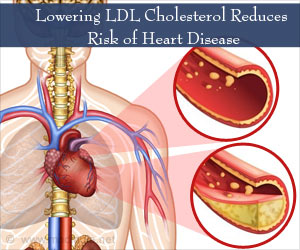
Lowering LDL Cholesterol Benefits Heart Patients- IMPROVE-IT Study
Excess LDL cholesterol causes atherosclerotic cardiovascular disease but reducing its levels prove to benefit people with this disease.
Excess LDL cholesterol causes atherosclerotic cardiovascular disease but reducing its levels prove to benefit people with this disease.
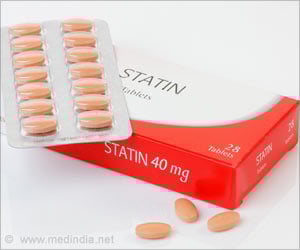
Most Younger Adults With High LDL-c Levels Stay Away From Statins
Treatment with statins is recommended for all adults 21 years or older with an LDL-C of 190 mg/dL or greater, as it reduces the risk of death.
Treatment with statins is recommended for all adults 21 years or older with an LDL-C of 190 mg/dL or greater, as it reduces the risk of death.
 Email
Email