MEDINDIA
 English
 हिन्दी
 Español
 français
 中文
中文
Brief therapy to help Ugandan former child soldiers talk about their experiences showed the best results in getting rid of post-traumatic stress disorder, said a study published in the US on Tuesday.
Post Traumatic Stress Disorder (PTSD) - Causes, Symptoms, Risk Factors, Complications, Dignosis, Treatment
Post Traumatic Stress Disorder (PTSD), is a mental condition triggered by a traumatic event. PTSD treatment includes pyschotherapy, behavior therapy and medications.
Post Traumatic Stress Disorder (PTSD), is a mental condition triggered by a traumatic event. PTSD treatment includes pyschotherapy, behavior therapy and medications.
A total of 85 former child soldiers aged 12-25 who were clinically diagnosed with PTSD took part in what researchers at Germany's Bielefeld University described as the first-ever randomized controlled study of mental health interventions.
One-third were treated with narrative exposure therapy, in which "the participant constructs a detailed chronological account of his or her own biography in cooperation with the therapist to reconstruct fragmented memories of traumatic events and to achieve habituation," the study said.

Men Who Suffer from Migraines Have High PTSD Risk
A new study suggests that men who suffer from migraines are at a greater risk of developing post traumatic stress disorder (PTSD)
A new study suggests that men who suffer from migraines are at a greater risk of developing post traumatic stress disorder (PTSD)
In contrast, only 48 percent of the academic catch-up group and 50 percent in the waiting list group "showed clinically relevant improvement," it said.
Antipsychotic Drug Proves Ineffective in Treating PTSD
Risperidone, widely used antipsychotic medication appears ineffective in treating patients with military-related, chronic posttraumatic stress disorder (PTSD) symptoms, reveals research.
Risperidone, widely used antipsychotic medication appears ineffective in treating patients with military-related, chronic posttraumatic stress disorder (PTSD) symptoms, reveals research.
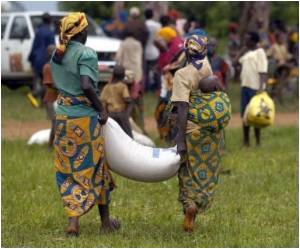
Many children in Uganda were recruited to fight in the Lord's Resistance Army as part of a 20-year civil conflict between rebels and Ugandan forces that claimed the lives of tens of thousands of people and saw nearly two million displaced.

PTSD can be Treated With Smart Phones and Tablets
Many war veterans are unable to forget the gory memories of war and are battling varying degrees of post traumatic stress disorder.
Many war veterans are unable to forget the gory memories of war and are battling varying degrees of post traumatic stress disorder.
 Email
Email