MEDINDIA
 English
 हिन्दी
 Español
 français
 中文
中文
When it comes to defibrillators, simpler may be safer, even though more complex machines are used on a majority of patients.
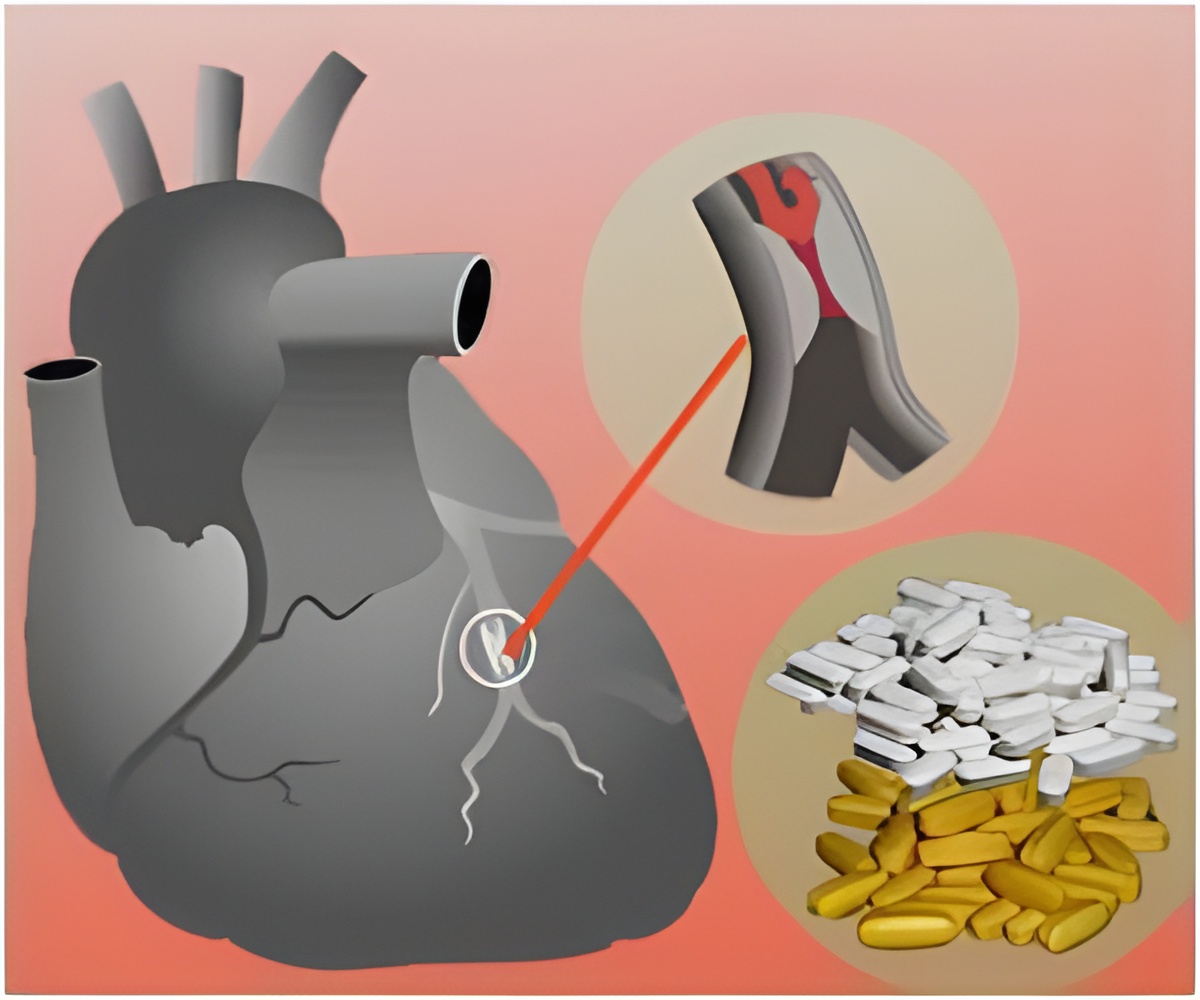

Chest Compression Better Than Electrical Defibrillator In Some Cases
Well executed chest compression could be better than electrical defibrillator to deal with cardiac arrests, though not always. In any case the CPR exercise is as good as immediate defibrillation.
Well executed chest compression could be better than electrical defibrillator to deal with cardiac arrests, though not always. In any case the CPR exercise is as good as immediate defibrillation.
"There is no reason for alarm, and it's important to remember that defibrillators of all kinds have clearly-established benefits in terms of reducing mortality among patients at risk for sudden cardiac death," Varosy says. "But this study does suggest that the simpler defibrillators may cause fewer short-term problems, suggesting that the routine use of dual-chamber defibrillators even in the absence of a simultaneous need for a pacemaker should be re-evaluated."
The two-chamber defibrillator is used in about six of 10 surgeries, according to Varosy, director of cardiac electrophysiology at the VA Eastern Colorado Health Care System. The study was published in the Journal of the American College of Cardiology. It examined 104,000 records of cardiac cases from 2006-07.

Major Study Says Defibrillators may Not Help Women
A study by researchers of Providence Hospital Heart Institute and Medical Center has found that implantable defibrillators may not be able to save the lives of women
A study by researchers of Providence Hospital Heart Institute and Medical Center has found that implantable defibrillators may not be able to save the lives of women
Source-Eurekalert

Defibrillator Machines in Airports may Reduce Risk of Sudden Death
An action plan by the Scottish Government has called for the installation of defibrillator machines at airports and railway stations in a bid to reduce sudden deaths.
An action plan by the Scottish Government has called for the installation of defibrillator machines at airports and railway stations in a bid to reduce sudden deaths.
Cardiac Arrest Survival Improved by Shorter Pause in CPR Before Defibrillator Use
Study says a shorter pause in CPR just before a defibrillator delivered an electric shock to a cardiac arrest victim's heart significantly increased survival
Study says a shorter pause in CPR just before a defibrillator delivered an electric shock to a cardiac arrest victim's heart significantly increased survival
 Email
Email