MEDINDIA
 English
 हिन्दी
 Español
 français
 中文
中文
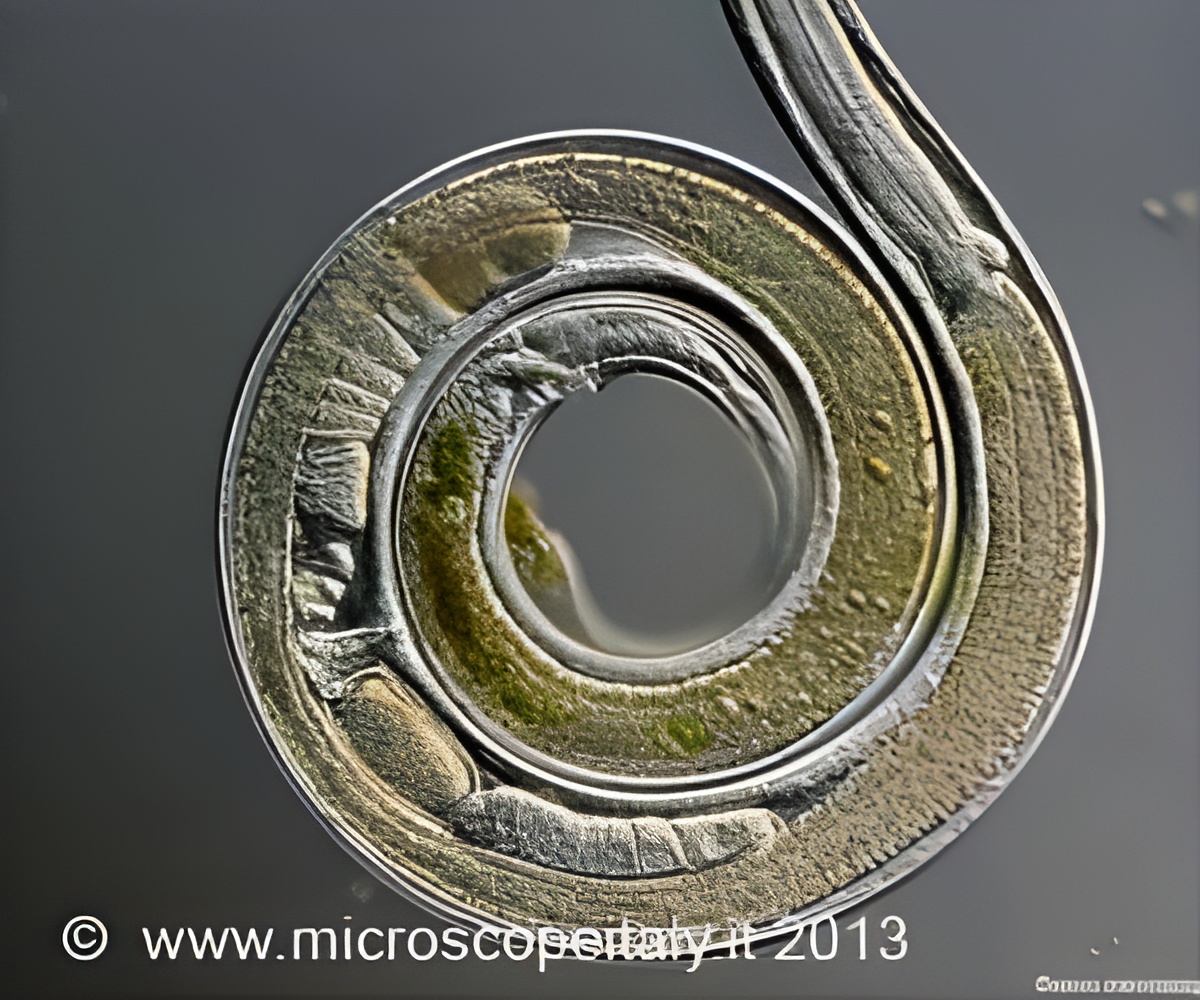
A molecule has been identified in aging roundworms, to restore declining motor activity and strength by the scientists of the University of Michigan Life Sciences.

Pomegranate and Its Role in Anti-aging
Ruby red among fruits, pomegranate, has numerous health benefits. It also plays an important role in anti-aging because of its high antioxidant content.
Ruby red among fruits, pomegranate, has numerous health benefits. It also plays an important role in anti-aging because of its high antioxidant content.
TOP INSIGHT

When the molecule SLO-1 was manipulated in roundworms, they had better motor activity and their lifespan also increased than normal roundworms.
To better understand how the interactions between cells changed as worms aged, Xu and his colleagues investigated the junctions where motor neurons communicate with muscle tissue.
They identified a molecule called SLO-1 (for "slowpoke potassium channel family member 1") that acts as a regulator for these communications. The molecule dampens neurons' activity, slowing down the signals from neurons to muscle tissue and reducing motor function.

Oral Care Tips for Aging Teeth
Good oral hygiene habits should be maintained as you age so as to prevent oral health problems and to have a healthy smile that looks great even during old age.
Good oral hygiene habits should be maintained as you age so as to prevent oral health problems and to have a healthy smile that looks great even during old age.
"It's not necessarily ideal to have a longer lifespan without improvements in health or strength," said Xu, who is also a professor of molecular and integrative physiology at the U-M Medical School. "But we found that the interventions improved both parameters--these worms are healthier and they live longer."

Top 7 Most Essential Anti-Aging Ingredients That Work
Anti-aging ingredients can prevent signs of aging such as wrinkles, dryness, and sagging of skin. Read about the best anti-aging ingredients that really work.
Anti-aging ingredients can prevent signs of aging such as wrinkles, dryness, and sagging of skin. Read about the best anti-aging ingredients that really work.
Because the SLO-1 channel is preserved across many species, Xu hopes these findings will encourage others to examine its role in aging in other model organisms.

Anti-aging Secrets to a Younger You-Wrinkles Creams-Super Foods-Simple Tips-FAQs
Is there anyone in this world who fails to be swayed by the magic of youth? None, for when youth explodes joyously all Nature smiles!
Is there anyone in this world who fails to be swayed by the magic of youth? None, for when youth explodes joyously all Nature smiles!
The researchers next hope to determine the importance of the SLO-1 channel in early development in the worms and also to better understand the mechanisms through which it affects lifespan.
Source-Eurekalert
 Email
Email