MEDINDIA
 English
 हिन्दी
 Español
 français
 中文
中文
Faster biological aging is linked to lower scores on a digital cognitive test taken years later.
Association of DNA methylation age acceleration with digital clock drawing test performance: the Framingham Heart Study
Go to source).

Education and Aging: Why Learning Keeps You Younger
Explore how educational attainment influences the pace of biological aging in American adults.
Explore how educational attainment influences the pace of biological aging in American adults.
TOP INSIGHT

Did You Know?
People with faster biological aging, measured through DNA changes, scored significantly lower on a cognitive test even seven years later. #medindia #brainaging #cognitivehealth
Linking Biological Aging and Cognitive Function
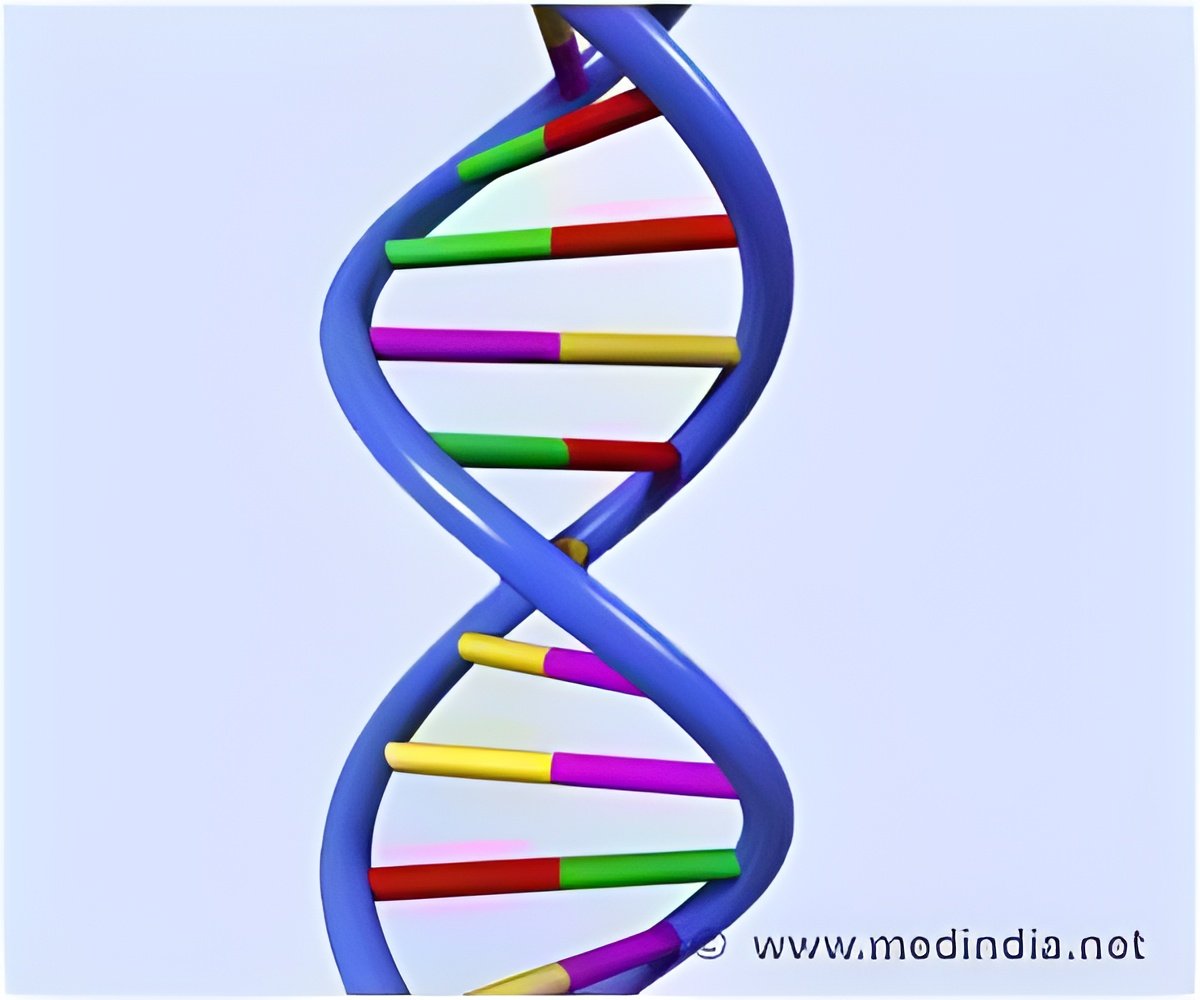
Using data from the Framingham Heart Study, the researchers examined the relationship between biological aging and cognitive health. They used DNA methylation (DNAm) patterns, chemical changes that occur in the DNA with aging, known as epigenetic aging, to estimate biological age acceleration, and used the digital Clock Drawing Test (dCDT) to assess cognitive performance.The digital Clock Drawing Test (dCDT) is a quick and easy way to check how well your brain is working.
You’re asked to draw a clock on a screen, first by memory, then by copying one. The computer measures how you draw, including the time it takes, how you place the numbers, and how steady your hand is. This helps doctors spot early signs of memory or thinking problems.
The dCDT is a computerized version of a traditional pen-and-paper test that evaluates memory, thinking speed, and motor control. It provides an overall score and measures performance in specific areas such as spatial reasoning and movement.
Among 1,789 participants, higher levels of epigenetic age acceleration were associated with significantly lower cognitive scores, particularly those over age 65. Of all the epigenetic aging markers examined, the DunedinPACE measure showed the strongest association with reduced brain function in both younger and older adults. Other measures, such as Horvath and PhenoAge, were associated with lower scores only in older adults. Key areas affected included motor skills and spatial reasoning.

Brisk Walking may Slow Biological Aging Process
A clear association between walking pace and a genetic marker of biological age has been established.
A clear association between walking pace and a genetic marker of biological age has been established.
Blood-Based Proteins and Brain Health
The researchers also studied blood-based protein markers used in an aging measure called GrimAge. Two proteins, PAI1 and ADM, were closely associated with lower cognitive scores, especially in older individuals. These results suggest that declines in brain and motor functions may reflect broader aging-related changes throughout the body.“Digital cognitive measures displayed stronger associations with most DNAm aging metrics among older compared to younger participants, likely to reflect the cumulative and nonlinear age influences on both brain health and DNAm.”

Discover Your Biological Age With Just 5 Drops of Blood
Researchers developed an AI model that analyzes hormone metabolism pathways from blood samples to assess biological age, offering insights into aging and health risks.
Researchers developed an AI model that analyzes hormone metabolism pathways from blood samples to assess biological age, offering insights into aging and health risks.
Implications for Early Detection
This study supports the idea that epigenetic age may be a more accurate predictor of cognitive decline than chronological age. The dCDT, which is easy to use, automated, and more precise than traditional tools, may help detect early signs of brain aging. When combined with DNAm measures, it could become a valuable part of regular health screenings.Overall, the findings provide strong evidence that faster biological aging is associated with cognitive decline. This research may lead to better ways of identifying and monitoring brain health in aging populations.
Reference:
- Association of DNA methylation age acceleration with digital clock drawing test performance: the Framingham Heart Study - (https://www.aging-us.com/article/206285/text)
Source-Eurekalert

Disease Prediction Through Organ Ageing
Researchers have discovered that organs age at different rates, and accelerated ageing in certain organs can predict diseases decades in advance, aiding early prevention.
Researchers have discovered that organs age at different rates, and accelerated ageing in certain organs can predict diseases decades in advance, aiding early prevention.
 Email
Email