MEDINDIA
 English
 हिन्दी
 Español
 français
 中文
中文
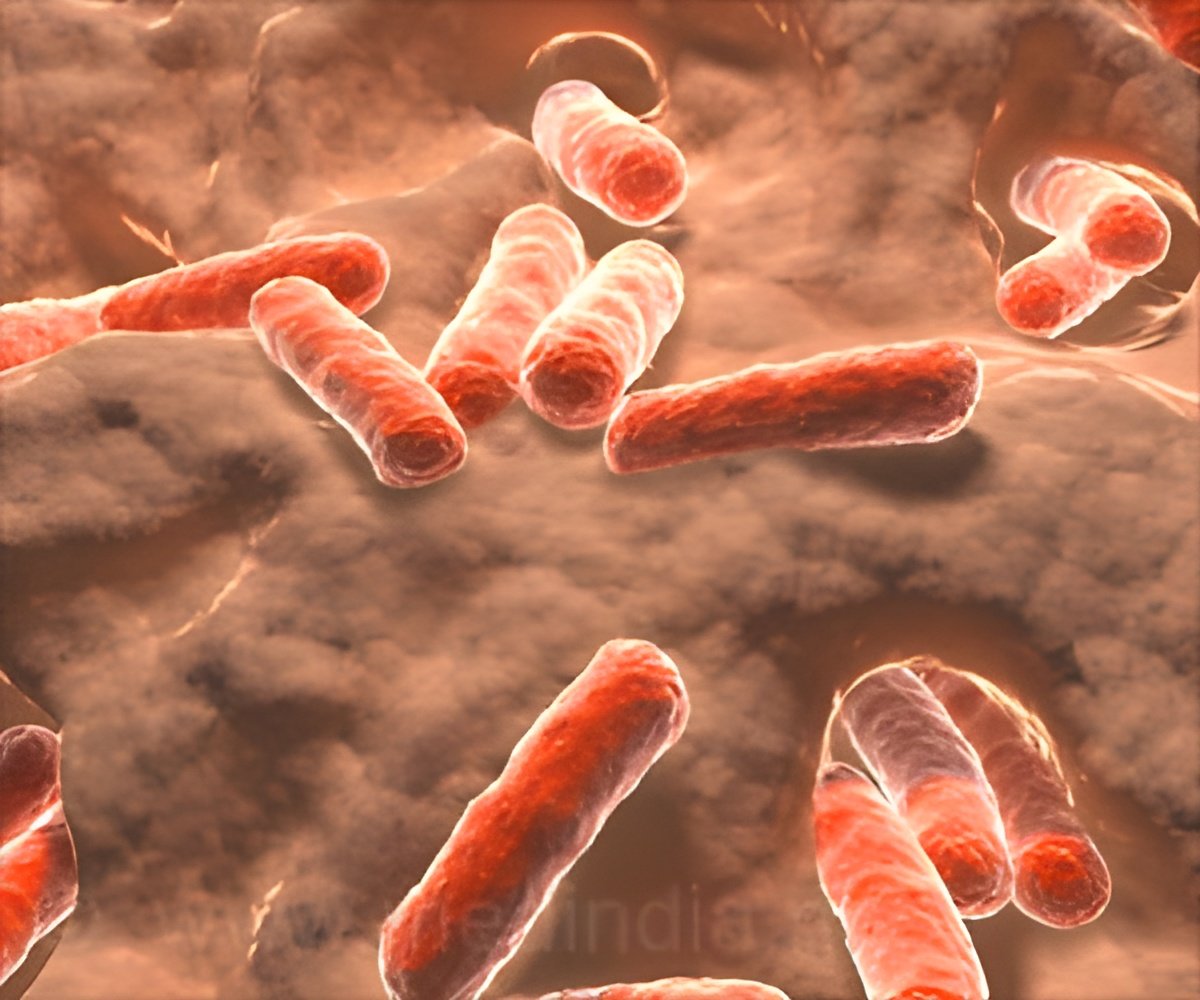
Only about 100 of Shigella’s 5,000 genes are key to tissue invasion and triggering aggressive infection.
A scalable gut epithelial organoid model reveals the genome-wide colonization landscape of a human-adapted pathogen
Go to source).
A New Era with Human Mini-Guts
Understanding how human-specific bacteria make us sick is challenging, as laboratory animals rarely reflect human physiology. In a new study published in Nature Genetics, researchers show that it is now possible to use cultured mini-organs to map how bacteria colonize the human intestinal mucosa.
Inflammatory Bowel Disease
Inflammatory bowel disease involves chronic inflammation of the colon and small intestine. Symptoms include diarrhea, abdominal pain and weight loss.
Inflammatory bowel disease involves chronic inflammation of the colon and small intestine. Symptoms include diarrhea, abdominal pain and weight loss.
TOP INSIGHT

#Shigella is a major global health threat, causing severe #intestinal_inflammation & tragically, over 200,000 deaths annually, especially among young children. #bacterium #GlobalHealth
“For the first time we have been able to map the genes Shigella needs to cause infection using a human model that mimics intestinal tissue.
The study also demonstrates that cultured human mini-organs can now be used to investigate a variety of serious infections, particularly those for which the lack of laboratory animal models has previously limited research,” says researcher Maria Letizia Di Martino, one of the study’s lead authors.

The Splendid Stomach - Animation
Stomach is the organ where food is mixed, stored and partially digested.
Stomach is the organ where food is mixed, stored and partially digested.
To do this, they generated intestinal organoids – miniature intestinal models grown from human stem cells purified from surgical waste material.
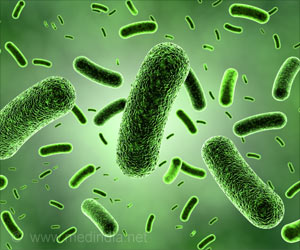
Natural Predator Used as Live Antibiotic to Catch ’Prey’ Shigella
Natural predators are used in a study to control multi-drug resistant infections that threatened to ignite an epidemic.
Natural predators are used in a study to control multi-drug resistant infections that threatened to ignite an epidemic.
The strategy this bacterium uses to attack tissue also informs on how other dangerous bacteria – that share similar weaponry – can infect the lung and urinary tract, for example.

Wild Foods, Wild Gut: Total Microbiome Shift in Weeks
A wild-food-only diet triggers lasting shifts in gut microbial communities without introducing new species.
A wild-food-only diet triggers lasting shifts in gut microbial communities without introducing new species.
The study is a collaboration between Uppsala University, Uppsala University Hospital, the Helmholtz Institute for RNA-based Infection Research (HIRI) in Germany, Toronto University in Canada and Umeå University.
Reference:
- A scalable gut epithelial organoid model reveals the genome-wide colonization landscape of a human-adapted pathogen - (https://www.nature.com/articles/s41588-025-02218-x)
Source-Eurekalert
 Email
Email