Exercise-triggered hormone irisin shows promise in diminishing Alzheimer's disease plaques and tangles in the brain.
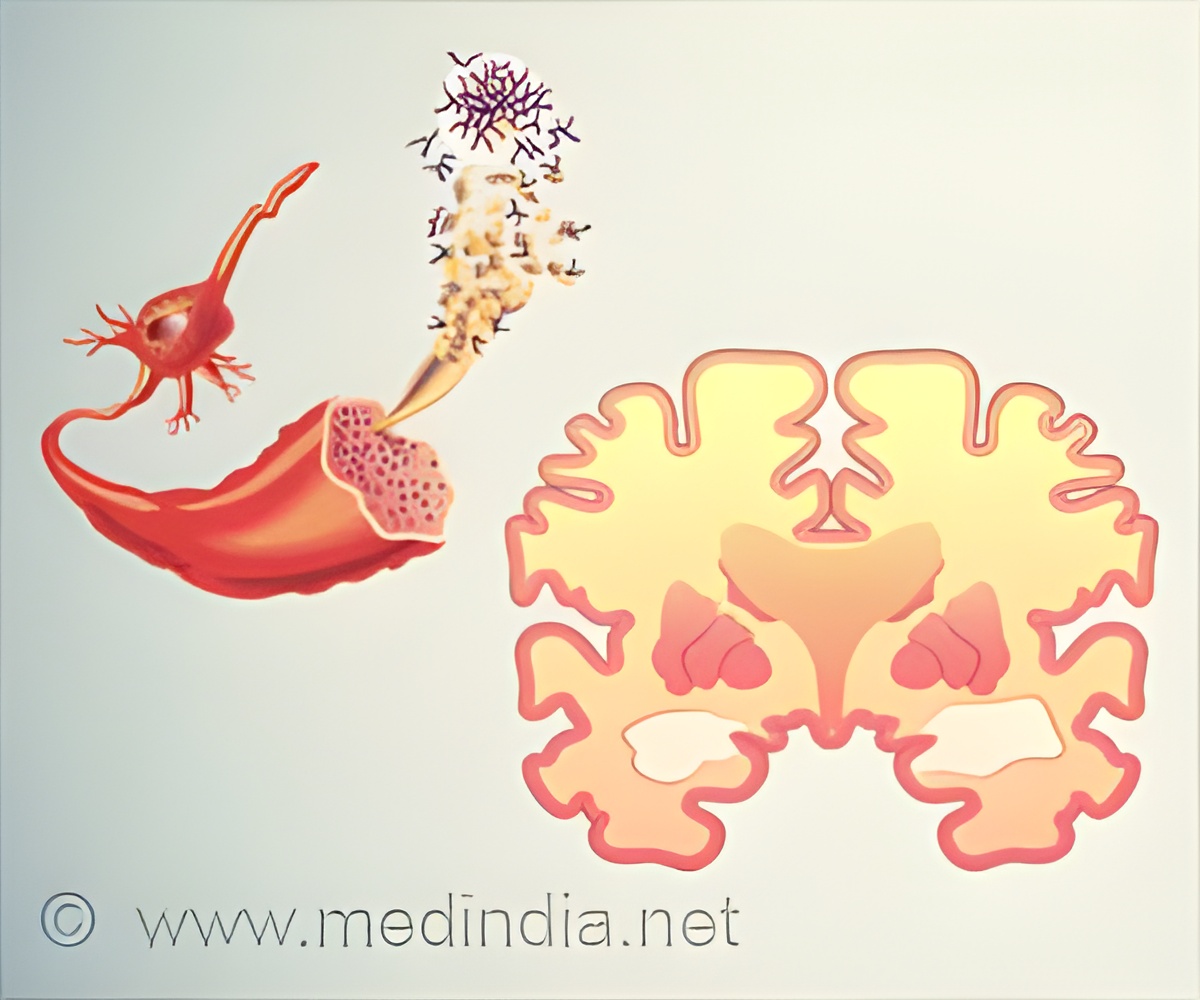
Irisin reduces amyloid-b by inducing the release of neprilysin from astrocytes following the downregulation of ERK-STAT3 signaling
Go to source). The team has uncovered promising results suggesting that irisin-based therapies might help combat AD.

Risk Factors for Alzheimers Disease
Cognitively normal adults exhibiting atrophy of their temporal lobe or damage to blood vessels in the brain are more likely to develop Alzheimer’s disease.
Cognitively normal adults exhibiting atrophy of their temporal lobe or damage to blood vessels in the brain are more likely to develop Alzheimer’s disease.
‘Recent discoveries advocate the development of irisin as a viable therapeutic approach for Alzheimer's disease, based on its ability to reduce brain plaque and tangle pathology induced by exercise.
# Alzheimer'sdisease, #CellCulture
’





Physical exercise has been shown to reduce amyloid beta deposits in various mouse models of AD, but the mechanisms involved have remained a mystery. Exercise increases circulating levels of the muscle-derived hormone irisin, which regulates glucose and lipid metabolism in fat tissue and increases energy expenditure by accelerating the browning of white fat tissue.
Link Between Exercise and Alzheimer's Progression
Studies have revealed that irisin is present in human and mouse brains and that its levels are reduced in patients with AD and mouse models of the condition.To test whether irisin plays a causal role in the link between exercise and reduced amyloid beta, Se Hoon Choi, Ph.D., and Eun Hee Kim, Ph.D., of the Genetics and Aging Research Unit at MGH, along with additional research colleagues applied the hormone to their 3D cell culture model of AD.

Modified Mediterranean-Ketogenic Diet may Reduce Alzheimer's Disease Risk
Eating a a type of Mediterranean-ketogenic diet can affect the gut bacteria, thereby reducing the risk of developing memory-stealing diseases such as Alzheimer's disease (AD).
Eating a a type of Mediterranean-ketogenic diet can affect the gut bacteria, thereby reducing the risk of developing memory-stealing diseases such as Alzheimer's disease (AD).
Neprilysin is an amyloid beta–degrading enzyme that is elevated in the brains of mice with AD that were exposed to exercise or other conditions leading to reduced amyloid beta.
Advertisement

New Genes That may Contribute to Alzheimer's Disease Discovered
The newly discovered genes may suggest an inflammatory response and changes in the protein production contribute to the overall neurodegeneration witnessed in AD.
The newly discovered genes may suggest an inflammatory response and changes in the protein production contribute to the overall neurodegeneration witnessed in AD.
Furthermore, they discovered that irisin’s binding to this receptor causes reduced signaling of pathways involving two key proteins: extracellular signal-regulated kinase (ERK) and signal activator of transcription 3 (STAT3). Reduced ERK-STAT3 signaling was critical for the irisin-induced enhancement of neprilysin.
Advertisement

Nutrition Value in Celery Leaves
Important values in 100 grams of CELERY LEAVES like energy, moisture, protein, fat, carbohydrates, fibre, calcium, Iron and Phosphorus
Important values in 100 grams of CELERY LEAVES like energy, moisture, protein, fat, carbohydrates, fibre, calcium, Iron and Phosphorus
“Our findings indicate that irisin is a major mediator of exercise-induced increases in neprilysin levels leading to the reduced amyloid beta burden, suggesting a new target pathway for therapies aimed at the prevention and treatment of Alzheimer’s disease,” says Rudolph Tanzi, Ph.D., a senior author of the study and director of the Genetics and Aging Research Unit.
Reference:
- Irisin reduces amyloid-b by inducing the release of neprilysin from astrocytes following the downregulation of ERK-STAT3 signaling - (https://www.sciencedirect.com/science/article/pii/S0896627323006232?via%3Dihub)
Source-Eurekalert