MEDINDIA
 English
 हिन्दी
 Español
 français
 中文
中文
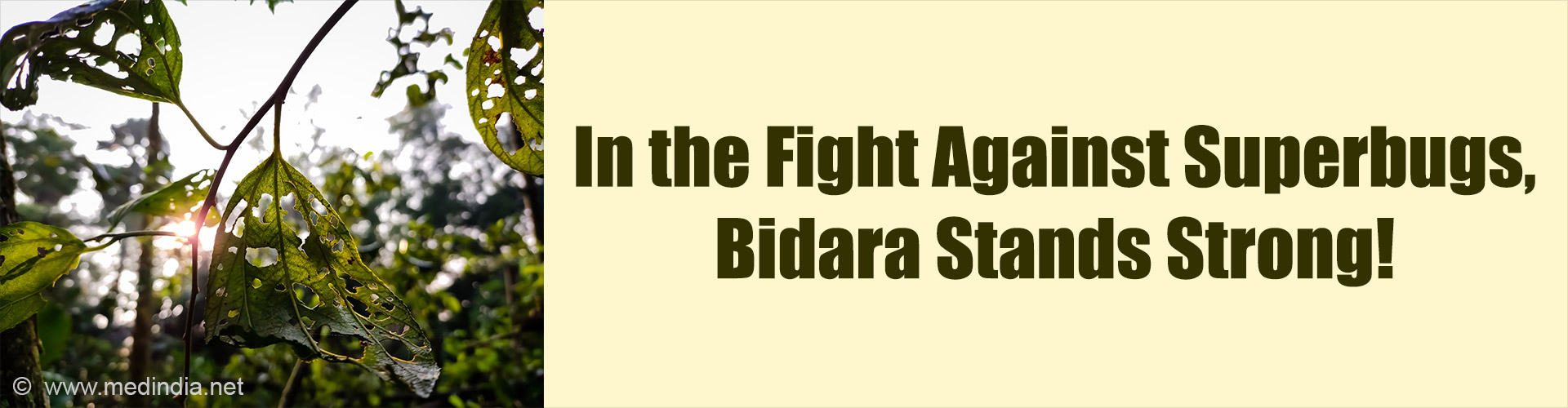
The leaves and fruits of Indian plum Bidara possess well-developed antimicrobial qualities against bacteria and fungi, which is an alternative to antibiotic resistance.
Highlights:
Indian jujube (Ziziphus mauritiana or Bidara) is a small tree and is widespread in most tropical areas, especially in South and Southeast Asia. It can be distinguished by the small and shiny leaves and sweet-tangy, small-apple-shaped fruits (1✔ ✔Trusted Source- Bidara leaves and fruits are effective in inhibiting the growth of E. coli and F. solani
- Abundant in flavonoids and tannins that kill bacteria and fungi
- May produce new natural antibiotics, beauty creams and food preservatives
Exploring the Antimicrobial Potential of Ziziphus mauritiana: A study of its Various Parts
Go to source). Nevertheless, Bidara has long been a part of traditional medicine, being used not only to treat skin infections and fever but also hair loss and stomach problems, not only due to its taste and cultural significance.
This wisdom of antiquity is now being kept pace with. Malaysian researchers explored the capacity of Bidara tree leaves, fruit, roots, bark, and stems to combat dangerous bacteria and fungi. The outcomes were immensely good!
With the spread of antibiotic resistance that is already posing as one of the largest threats to human health worldwide, the discovery of natural alternatives is in demand. Bidara, the jujube tree, seems to hold the secret to creating safe, plant-based antimicrobial treatments.

Global Antibiotic Resistance Report 2025: Superbugs Resistance Reaches Critical Levels
WHO’s 2025 report shows alarming global rise in antibiotic resistance, threatening to make common infections deadly and treatments ineffective.
WHO’s 2025 report shows alarming global rise in antibiotic resistance, threatening to make common infections deadly and treatments ineffective.
TOP INSIGHT

Did You Know?
#Bidara is a source of natural compounds that combat fatal microbes, which are even more effective than certain #antibiotics. #antimicrobialresistance #Indianplum #medindia
Exploring the Science Behind Bidara’s Healing Power
To discover Bidara's antimicrobial secrets, samples were collected from healthy and mature trees in Malaysia's Sabah state. They made various parts of the plant, including leaves, roots, bark, stem, and fruit, into methanolic extracts (in order to extract the active plant chemicals) using alcohol.The following extracts were put to the test against two notorious troublemakers:
- Escherichia coli (E. coli) –a bacterium that may cause diarrhoea, UTIs and even food poisoning.
- Fusarium solani (F. solani) – a plant, animal and, in some situations, human fungus that attacks individuals with weak immunity.
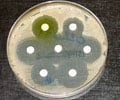
After incubation, they found the occurrence of "inhibition zones" – ring-shaped spots where the microbes did not grow. The bigger the zone, the more effective the antimicrobial.
They also determined the Minimum Inhibitory Concentration (MIC), or coefficients of minimum extract concentration needed to prevent the growth of microbes, and the Minimum Bactericidal/Fungicidal Concentration (MBC/MFC), or coefficients of minimum concentration needed to kill them.
This method of science has been used to uncover which part of the Bidara tree is the most effective natural protector.
Ibuprofen & Paracetamol Found to Fuel Antibiotic Resistance, New Study Warns
Study reveals ibuprofen and paracetamol increase antibiotic resistance in E. coli—even more so when paired with an antibiotic. Important implications for aged care.
Study reveals ibuprofen and paracetamol increase antibiotic resistance in E. coli—even more so when paired with an antibiotic. Important implications for aged care.
Leaves and Fruits: The Most Potent Natural Defenders
Leaves and fruits of Bidara were found to be the most powerful in defence against E. coli and F. solani in all the tested parts.- MIC values of E. coli and F. solani on leaves were 0.6 and 0.8 mg/mL, respectively, and thus, even a small portion of this substance could prevent the growth of microorganisms.
- Fruits demonstrated comparable MIC and MBC values, with inhibitory zones exceeding 100 mm² in some tests.
- Destroy the cell walls of fungi and bacteria.
- Destroy essential enzymes required to survive.
- Stop their reproduction and prevent the spread of infections.

Antibiotic Resistance - An Emerging Global Crisis
Antibiotic resistance refers to the adaption of bacteria that allows them to grow even in the presence of antibiotics. The infection by the resistant bacteria are difficult to treat.
Antibiotic resistance refers to the adaption of bacteria that allows them to grow even in the presence of antibiotics. The infection by the resistant bacteria are difficult to treat.
Bidara’s Roots, Bark, and Stems Also Showed Anti-Microbial Properties
While the leaves and fruits received the most attention, the roots, bark, and stems also had antimicrobial properties, although not the same as the leaves and fruits.The root extracts demonstrated moderate but consistent antimicrobial activity, particularly against fungal strains.
They effectively inhibited fungal infections up to 86 mm². They have been found to store compounds like terpenoids and alkaloids in their roots that could help to break down the cell walls of the fungus and stop its growth.
Following the extracts of the barks that had good antibacterial activity on E. coli were the extracts that contained good antibacterial activity.
They were not potent as the leaves, yet they were effective in preventing the growth of microbes at slightly elevated concentrations (0.8-1.0 mg/mL). Bidara bark is already reported to possess wound-healing and anti-inflammatory action, and science has confirmed its application in traditional medicine.
The stems, however, exhibited the poorest response with the lowest inhibition areas. Scientists believe that this may be because of a lower concentration of active compounds in that part of the plant. Nevertheless, their presence, however mild, contributes to the evidence that the whole Bidara tree has natural defence chemicals that need to be studied further.
Test your Knowledge on Antibiotic Resistance
Antibiotic resistance is a growing public health concern that has reached gigantic proportions. Antibiotic resistance is a change that occurs in bacteria when they are exposed to antibiotics used to treat infections caused by them. This change makes ...
Antibiotic resistance is a growing public health concern that has reached gigantic proportions. Antibiotic resistance is a change that occurs in bacteria when they are exposed to antibiotics used to treat infections caused by them. This change makes ...
How Does Bidara Fight Infections?
The antimicrobial punch of Ziziphus mauritiana comes from its complex blend of phytochemicals. Together, these compounds act on microbes through several mechanisms:- Flavonoids and phenolic acids rupture the outer membrane of bacteria, making them release vital nutrients.
- Alkaloids disrupt the activities of microbial enzymes and protein production, weakening the cells internally.
- Tannins adsorb to the proteins in microbes and, in effect, block the normal functioning of the microbes.
- Saponins destroy the cell membrane of the fungi, resulting in cell death.
Interestingly, the plant's antimicrobial effect can be enhanced by its strong antioxidant activity, which reduces oxidative stress and augments the body's existing antimicrobial defences. This implies that Bidara could not only fight infections but also help the body heal quickly.
Bidara to The Rescue Against The Antimicrobial War
Ziziphus mauritiana has been used in Asia since ancient times; traditional healers used it to clean wounds, relieve inflammation, and even boost hair growth. Its applications can now extend far beyond folklore because it has been scientifically validated.Scientists predict a number of modern applications:
- Natural antibiotics: Leaf and fruit extracts could inspire new drugs against widespread bacterial and fungal infections.
- Herbal beauty: Creams or ointments prepared using Bidara could be used to treat acne, eczema, or minor wounds.
- Food preservation: It has antimicrobial properties and can be used instead of synthetic preservatives.
- Environmental farming: Chemical fungicides can be substituted with natural extracts.
A Green Solution to Microbial Resistance
The research on Ziziphus mauritiana confirms what traditional medicine has always known: nature has strong answers in its roots, leaves, and fruits. The leaves and fruits are the most effective antimicrobial agents tested, inhibiting and killing both bad bacteria (E. coli) and bad fungi (F. solani).Such findings demonstrate Bidara's enormous potential as a natural source of new antimicrobial drugs, food preservatives, and eco-friendly bioproducts. Nonetheless, more work remains to be done; scientists must isolate and test each compound separately in order to develop safe and standardised medicines.
In an era of antibiotic-resistant diseases and excessive use of chemicals, Bidara serves as a wake-up call that, in some cases, the solutions to the modern-day issues are growing in the backyard of nature!
Reference:
- Exploring the Antimicrobial Potential of Ziziphus mauritiana: A study of its Various Parts - (https://www.researchgate.net/publication/389832143_Exploring_the_Antimicrobial_Potential_of_Ziziphus_mauritiana_A_study_of_its_Various_Parts)
Source-Medindia
 Email
Email