MEDINDIA
 English
 हिन्दी
 Español
 français
 中文
中文
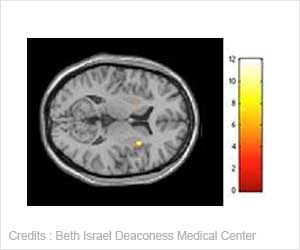
The device analyses the neuron sample and makes dozens of corrective adjustments to the estimate of the brain's electrical pattern, all in the blink of an eye.

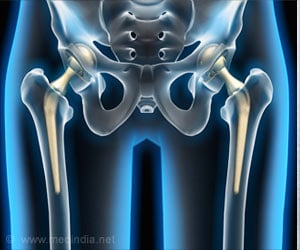
Stemmed Metal-on-Metal Hip Replacements Fail Within Five Years: UK Study
Total hip replacement or THR is a surgical procedure characterized by the replacement of diseased or affected cartilage and hip bone by suitable artificial material such as metal, ceramic or plastic.
Total hip replacement or THR is a surgical procedure characterized by the replacement of diseased or affected cartilage and hip bone by suitable artificial material such as metal, ceramic or plastic.
The US Food and Drug Administration (FDA) has also given the research team its nod to conduct a pilot clinical trial of their thought-controlled cursor on people with spinal cord injuries. Shenoy further added, "This is a fundamentally new approach that can be further refined and optimized to give brain-controlled prostheses greater performance, and therefore greater clinical viability. When we type or perform other precise tasks, our brains and muscles usually work together effortlessly. But when a neurological disease or spinal cord injury severs the connection between the brain and limbs, once-easy motions become difficult or impossible."
In recent years, researchers have sought to give people suffering from such conditions some restored motor function by developing thought-controlled prostheses. These devices tap into the relevant regions of the brain, bypass damaged connections and deliver thought commands to devices such as virtual keypads.

Does Surgery Score Over Rehab For Low Back Pain?
Recent study evaluates which is the better option for patients with low back pain and degenerative disc - surgery with disc prosthesis or rehabilitation?
Recent study evaluates which is the better option for patients with low back pain and degenerative disc - surgery with disc prosthesis or rehabilitation?
Source-IANS

World's First 'Stimulating Real Feelings' Leg Prosthesis Offers Hope to Amputees
Professor Hubert Egger at the University of Linz in northern Austria developed the first artificial leg capable of simulating the feelings of a real limb.
Professor Hubert Egger at the University of Linz in northern Austria developed the first artificial leg capable of simulating the feelings of a real limb.
Robotic Drumming Prosthesis Turns Amputee into Three-Armed Cyborg
A robot has been developed by researchers that can be attached to amputees, allowing its technology to be embedded into humans.
A robot has been developed by researchers that can be attached to amputees, allowing its technology to be embedded into humans.
 Email
Email