MEDINDIA
 English
 हिन्दी
 Español
 français
 中文
中文
An exciting new approach to imaging local and metastatic tumors turns the fictional bioluminescence, nanoparticles and gene manipulation into a reality.
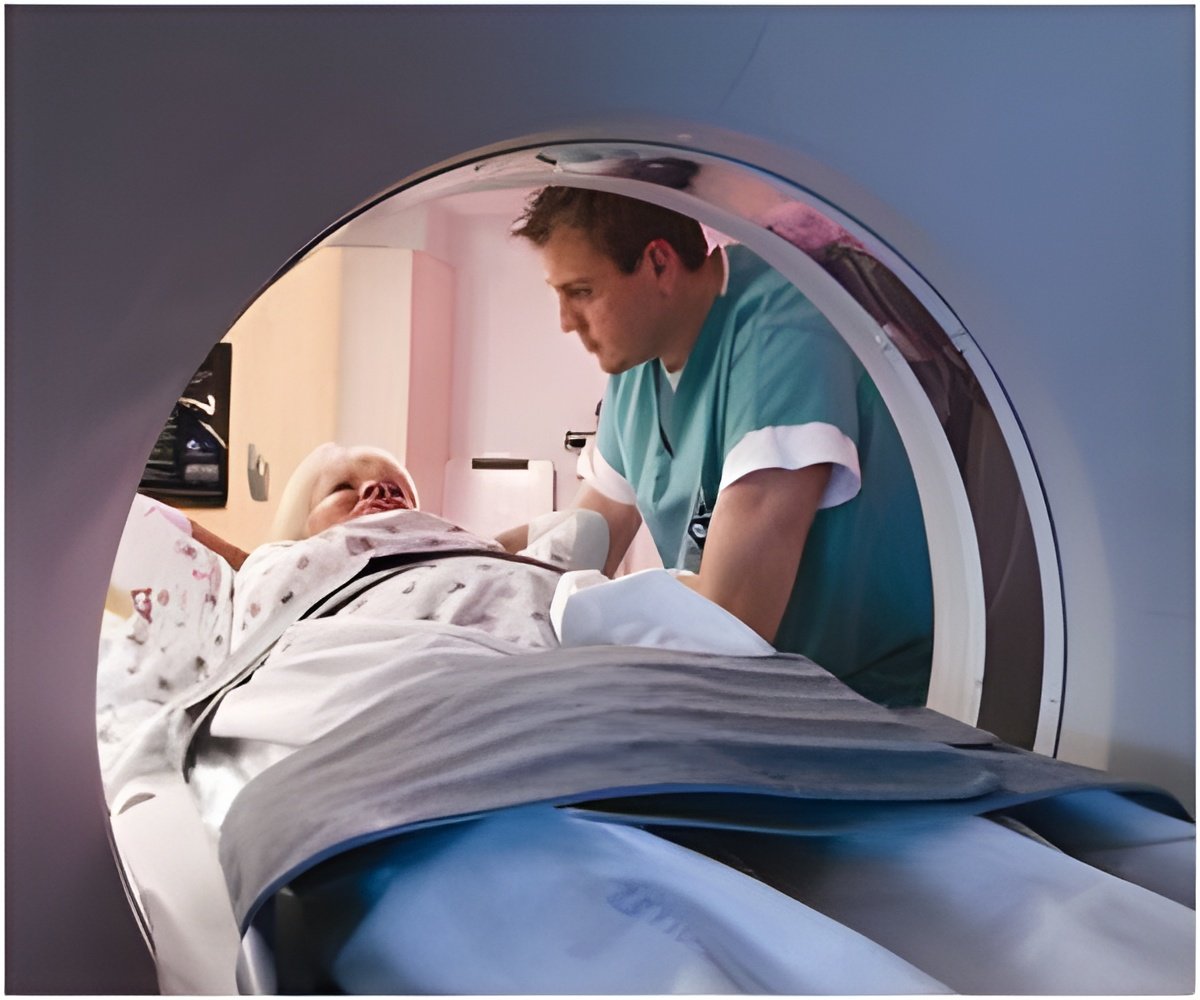
About Magnetic Resonance Imaging(MRI)
Encyclopedia section of medindia gives general info about Magnetic Resonance Imaging
Encyclopedia section of medindia gives general info about Magnetic Resonance Imaging
Imaging the expression of a gene in real time is not an easy task. To do it, the scientists used a promoter called AEG-Prom. A promoter is a set of chemical instructions coded in DNA that initiates activity in a gene. The team combined AEG-Prom with imaging agents consisting of a gene that produces firefly luciferase, the bioluminescent substance that makes fireflies glow, and a gene called HSV1tk, which initiates a chemical reaction when specific radioactive compounds are administered. The team then inserted the combination into tiny nanoparticles that are injected intravenously. When exposed to specific proteins that activate the AEG-Prom, including the c-MYC protein that is elevated in many cancer cells, the AEG-Prom initiates activity in the imaging agent, and the location of cancer cells expressing the imaging agent are made visible using sensitive imaging devices.
"The imaging agents and nanoparticle used in this study have already been tested in unrelated clinical trials. Moving this concept into the clinic to image metastasis in patients is the next logical step in the evolution of this research," says co-lead author Martin G. Pomper, M.D., Ph.D., William R. Brody Professor of Radiology at Johns Hopkins Medical Institutions. "My colleagues and I are working toward this goal, and we look forward to opening a study to deploy this technology as soon as possible."
Prostate Cancer | Cancer of Prostate - Incidence, Prevention, Causes, Symptoms & Treatment
This cancer affects men over the age of 50 years and screening with rectal examination and PSA can help both in early detection and effective treatment
This cancer affects men over the age of 50 years and screening with rectal examination and PSA can help both in early detection and effective treatment
Source-Eurekalert

Brain Imaging Study Links High Gycemic Index Diet to Food Addiction
Foods high in glycemic index and drugs have the same brain mechanism tied to addiction.
Foods high in glycemic index and drugs have the same brain mechanism tied to addiction.

New Methods Developed to Enhance the Quality of Myocardial Perfusion Imaging
In a recent study completed at the University of Eastern Finland, new methods that enhance the quality of myocardial perfusion imaging were developed.
In a recent study completed at the University of Eastern Finland, new methods that enhance the quality of myocardial perfusion imaging were developed.
 Email
Email