MEDINDIA
 English
 हिन्दी
 Español
 français
 中文
中文
The algorithms for image analysis are basically a tool for diagnosis and aids clinicians to judge progression of disease and efficacy of therapy.

Multiple sclerosis - Symptoms - Causes - Diagnosis - Treatment
Multiple sclerosis can be a severely disabling autoimmune disease that affects the myelin or insulating layer of the nerve fibers and typically has remissions and relapses
Multiple sclerosis can be a severely disabling autoimmune disease that affects the myelin or insulating layer of the nerve fibers and typically has remissions and relapses
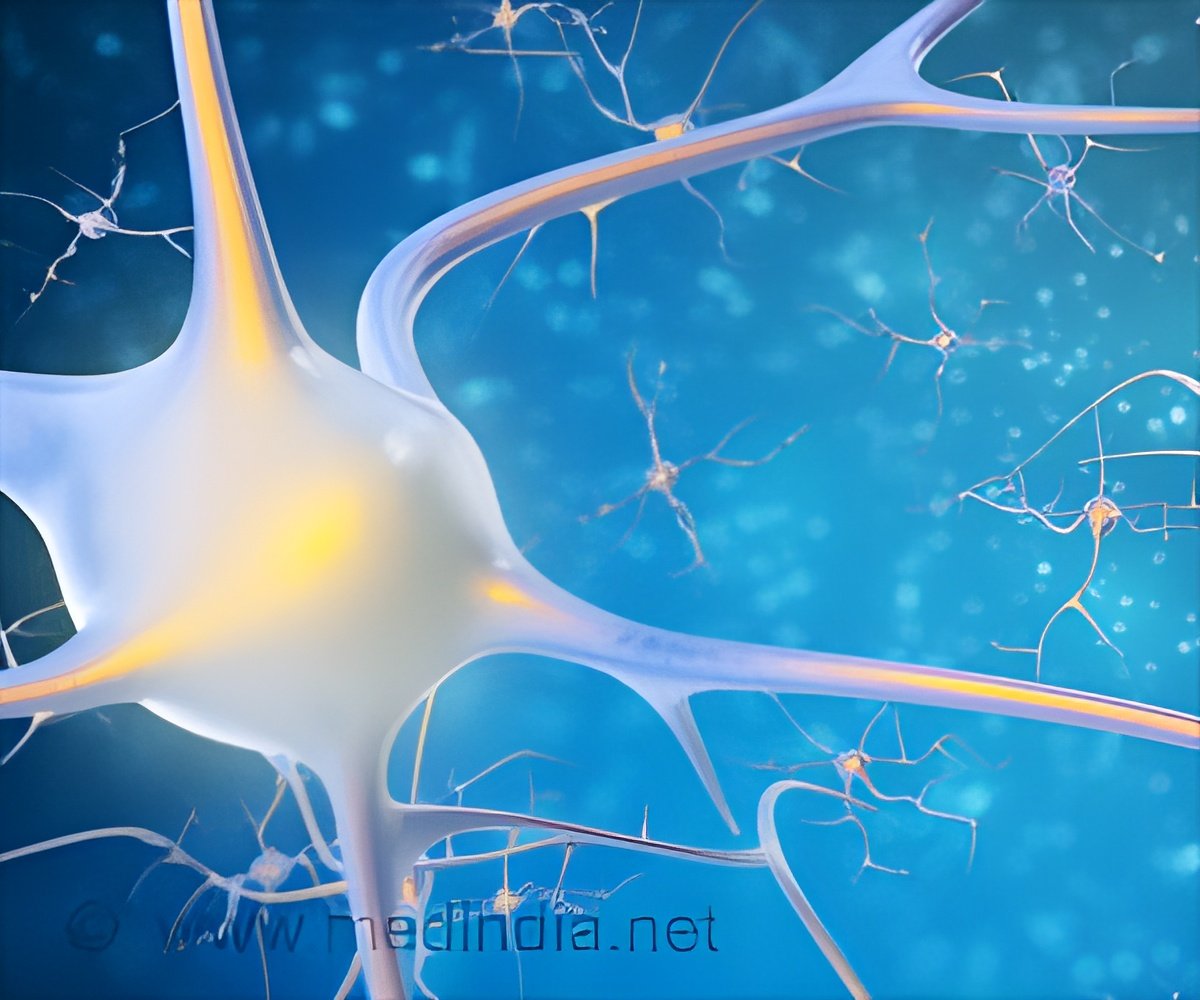
Krishnamurthi explained, "Deep Learning are recent methods in machine learning developed based on the interpretation of how human brain and nervous systems work - neural networks. These networks consist of stacked layers consisting of several mathematical models of neurons, which is the computational equivalent of information processing in the brain. Although these methods have been around for more than a decade, recent developments in computational resources have made large and complex networks with near-human performance possible."
Krishnamurthy also said, "Our next steps in this endeavor would be to test extensively with more clinical data to assess the effectiveness of the software and subsequently deploy the software for use by our clinical collaborators. Based on the performance in a clinical setting (purely for evaluation) we will try to get regulatory approval for our software. Since training accurate models require large amounts of data, ethical committee approvals from various hospitals would be required. We are already in collaboration with Sree Chitra Thirunal Hospital and are confident of seeing the product put in use in a span of two to four years."
Multiple Sclerosis – Treatment to Reduce Symptoms and Modify course of Disease
Multiple sclerosis is treated with drugs that modify the course of the disease, suppress immunity and relieve symptoms.
Multiple sclerosis is treated with drugs that modify the course of the disease, suppress immunity and relieve symptoms.
Source-IANS

Multiple Sclerosis - Living Many Lives in One Lifetime
Thirty-five-year-old disability rights activist Smitha Sadasivan has been battling Multiple Sclerosis with an active professional life for over 15 years.
Thirty-five-year-old disability rights activist Smitha Sadasivan has been battling Multiple Sclerosis with an active professional life for over 15 years.

'Multiple Sclerosis is a Tough Disease to Manage but It is Not Impossible'
On World MS Day, a cheerful 37-year-old single mom in India recounts her personal journey of living with Multiple Sclerosis.
On World MS Day, a cheerful 37-year-old single mom in India recounts her personal journey of living with Multiple Sclerosis.
 Email
Email