MEDINDIA
 English
 हिन्दी
 Español
 français
 中文
中文
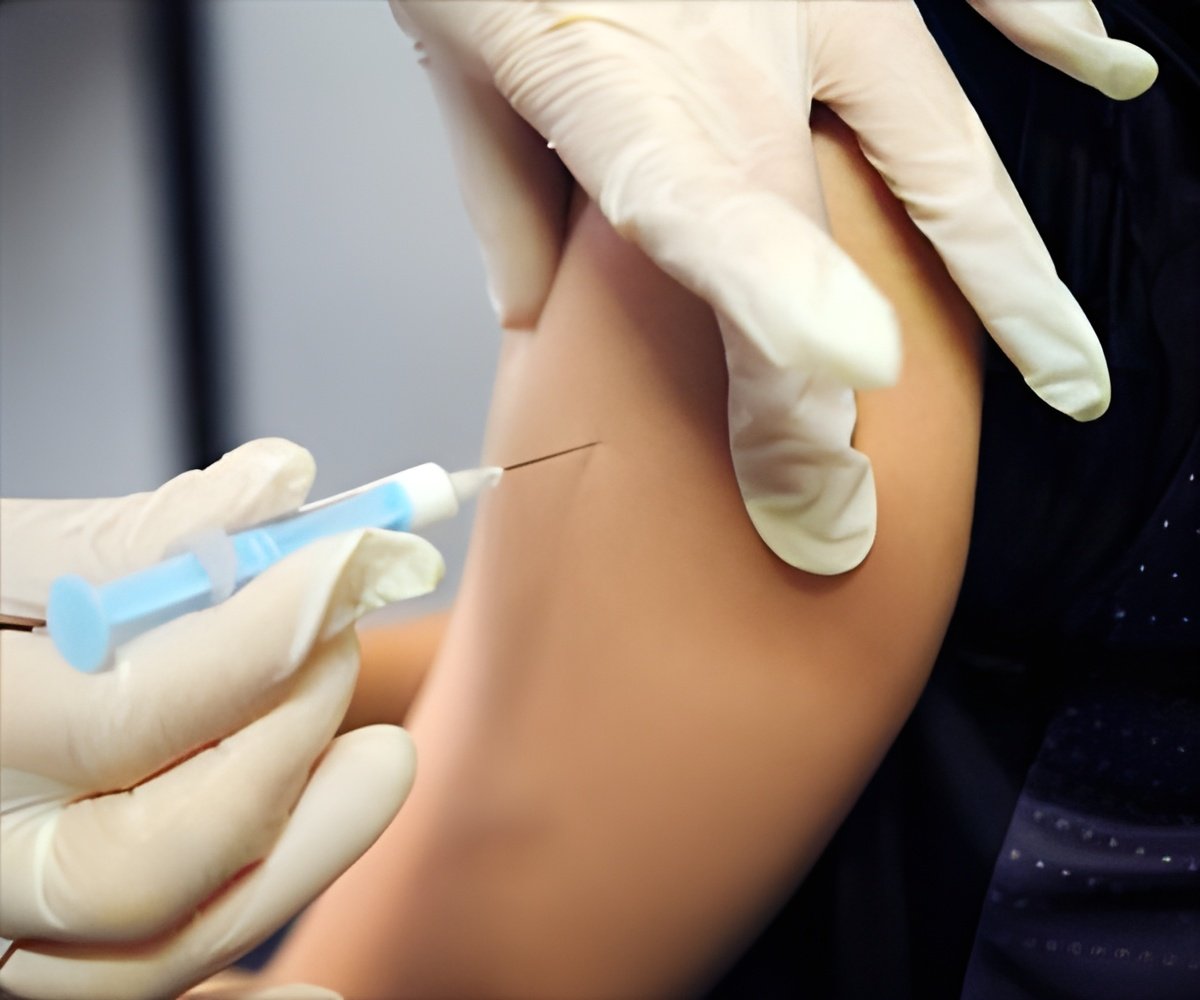
Most oncogenic (cancerous) HPV types can be eliminated, but only if both girls and boys are vaccinated, reports a new study.
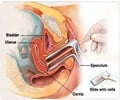
Pap smear and Cervical Cancer Screening
Pap smear is the most common test used in screening cervical cancer caused by an infection with human papilloma virus. Pap smear should be repeated every 1 to 3 years till the age of 65 years.
Pap smear is the most common test used in screening cervical cancer caused by an infection with human papilloma virus. Pap smear should be repeated every 1 to 3 years till the age of 65 years.
TOP INSIGHT

HPV causes a variety of cancers, above all, cervical cancer in women and cancer of the oropharynx in women and men.
General HPV screening at the age of 19 showed that the vaccination of both genders prevented HPV infections in society much more effectively than the vaccination of girls only. A gender-neutral strategy was also effective in preventing HPV infections in unvaccinated girls.
HPV was included in the Swedish vaccination program in 2012. To date, the vaccine has only been offered to girls, but in 2019 the government decided to offer it to both genders as of autumn 2020.
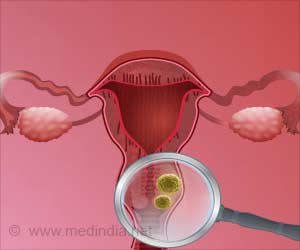
HPV Screening Test Might Just be Enough for Cervical Cancer Detection
HPV screening test might be a better cervical cancer detection tool than Pap smear test, and thereby the HPV test alone might be sufficient.
HPV screening test might be a better cervical cancer detection tool than Pap smear test, and thereby the HPV test alone might be sufficient.
Mathematical modeling was used to calculate what the results of the randomized HPV vaccination study would mean for programs with different vaccination coverage. The improved effectiveness of vaccinating both boys and girls is particularly important if only 80 percent or fewer girls are vaccinated.
Cervical Screening Will Only be Needed Three Times With HPV Vaccine
Now with the HPV vaccine, screening will only be needed three times in women. The new programme called HPV primary testing is set to be introduced in England by December 2019.
Now with the HPV vaccine, screening will only be needed three times in women. The new programme called HPV primary testing is set to be introduced in England by December 2019.
The World Health Organisation (WHO) has established the elimination of cervical cancer as a priority objective.

New HPV Vaccine Reduces The Risk Of HPV-Related Diseases
A new improved Human papillomavirus (HPV) vaccine called 9vHPV has been developed greatly reduces the risk of HPV infection and HPV-related diseases.
A new improved Human papillomavirus (HPV) vaccine called 9vHPV has been developed greatly reduces the risk of HPV infection and HPV-related diseases.
Almost everyone has had at least one sexually transmitted HPV infection in his or her life.
The study was financed by the Academy of Finland and the Cancer Society of Finland. GlaxoSmithKline Biologicals SA financed the constituent study (data to be published separately) and was given an opportunity to check that baseline data from that study were accurately reproduced in the paper in The Journal of Infectious Diseases. The international team of co-authors has received research grants from the Swedish Cancer Society, the Ministry of Health, Government of Catalonia, and the EU’s 6th and 7th Framework Programmes in the context of this study.
Source-Eurekalert
 Email
Email