MEDINDIA
 English
 हिन्दी
 Español
 français
 中文
中文
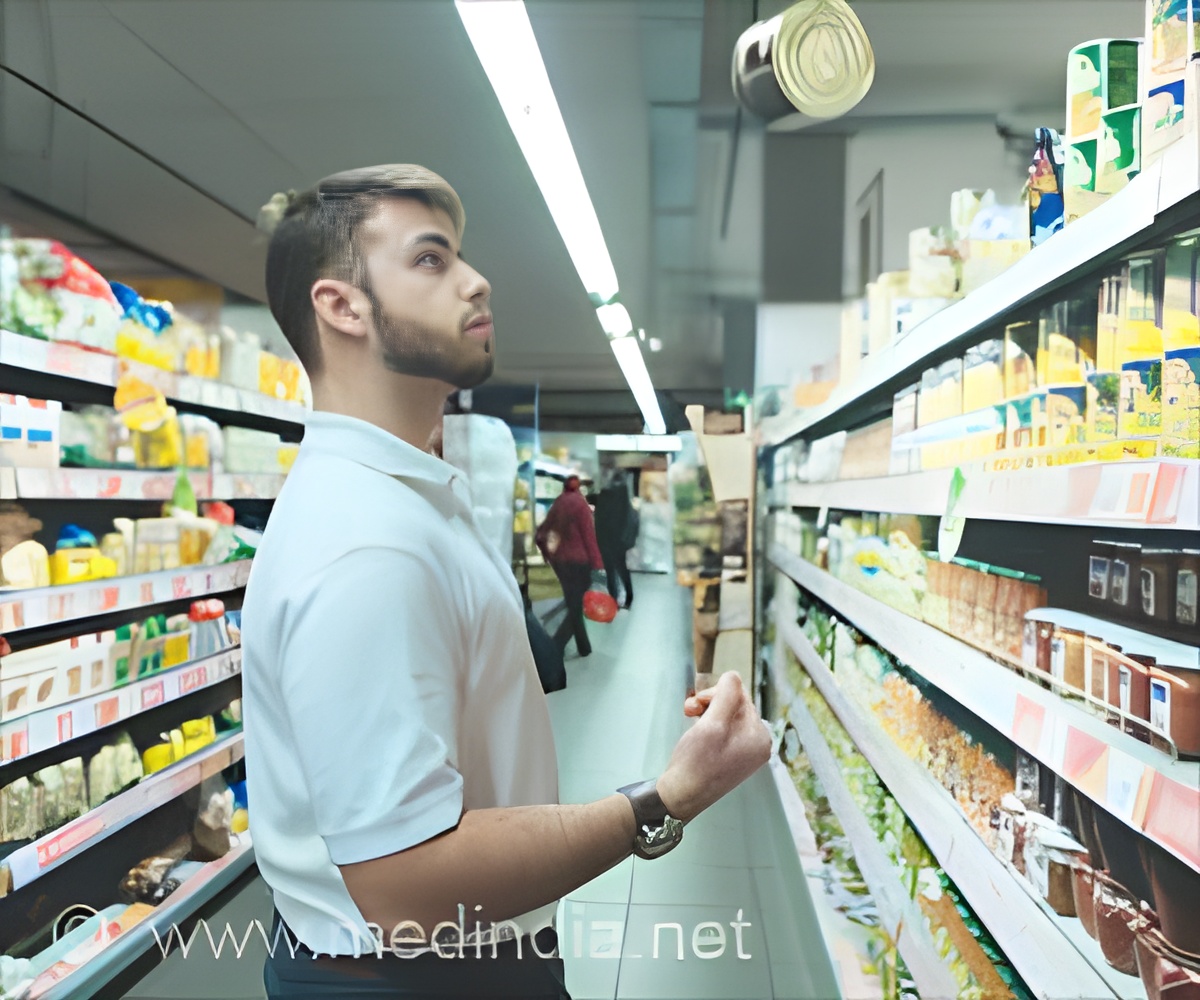
A new review examines the nature and causes of these food supply chain and market disruptions during COVID-19, evaluates the economic consequences, and addresses potential market and policy responses that should be explored to reduce similar adverse effects in the future.

Fossil Fuels Affect Your Health and the Economy
Use of fossil fuels not only poses health hazards due to air pollution but it also has adverse impact on the country’s economy as well.
Use of fossil fuels not only poses health hazards due to air pollution but it also has adverse impact on the country’s economy as well.
TOP INSIGHT

The experience of the COVID-19 pandemic highlighted the vulnerabilities of having a food supply chain in which capacity is concentrated in a handful of large firms.
The demand was negatively affected both by the near-total loss of foodservice outlets and by a consumer shift to precautionary saving.
The challenges on the supply side, discussing how COVID-induced food-processing restrictions, workers being kept at home, and a shift in protein demand from foodservice to food at home led to plant slowdowns and complete shutdowns are also needed to focus.
First-Ever Oral Antiviral Pill To Treat COVID-19
First oral pill to treat high-risk COVID-19 patients has been approved for the first time in the UK to subdue the pandemic.
First oral pill to treat high-risk COVID-19 patients has been approved for the first time in the UK to subdue the pandemic.
Researchers also pointed out that larger commercial firms have the advantage of increasing resilience through improved efficiency, adoption of technology, and global marketing.
Enough Food for All in the World if We Eat Right
We can feed the world if we change our ways, a new study at Lancaster University finds. But, if society continues on a ‘business-as-usual’ dietary trajectory, a 119 percent increase in edible crops grown will be required by 2050.
We can feed the world if we change our ways, a new study at Lancaster University finds. But, if society continues on a ‘business-as-usual’ dietary trajectory, a 119 percent increase in edible crops grown will be required by 2050.
Researchers predict that if large commercial food supply chains increase efficiency and use of automation in response to challenges faced during the pandemic, this will pose a real threat to the economic viability of smaller local and regional systems.

Post-COVID Healthy Diwali 2021
With the festival of lights - Diwali around, this year, the celebration warrants safe and protective approach as we badge the global phase of the Post-COVID period.
With the festival of lights - Diwali around, this year, the celebration warrants safe and protective approach as we badge the global phase of the Post-COVID period.
Source-Medindia
 Email
Email