MEDINDIA
 English
 हिन्दी
 Español
 français
 中文
中文
Understanding visual cues could lead to improvements in the automation techniques and training to identify and classify indecent images of children from that of adults.

About DNA Fingerprinting
DNA fingerprinting is a technique which helps forensic scientists and legal experts solve crimes, identity thefts, legal suits and terrorism cases.
DNA fingerprinting is a technique which helps forensic scientists and legal experts solve crimes, identity thefts, legal suits and terrorism cases.
TOP INSIGHT

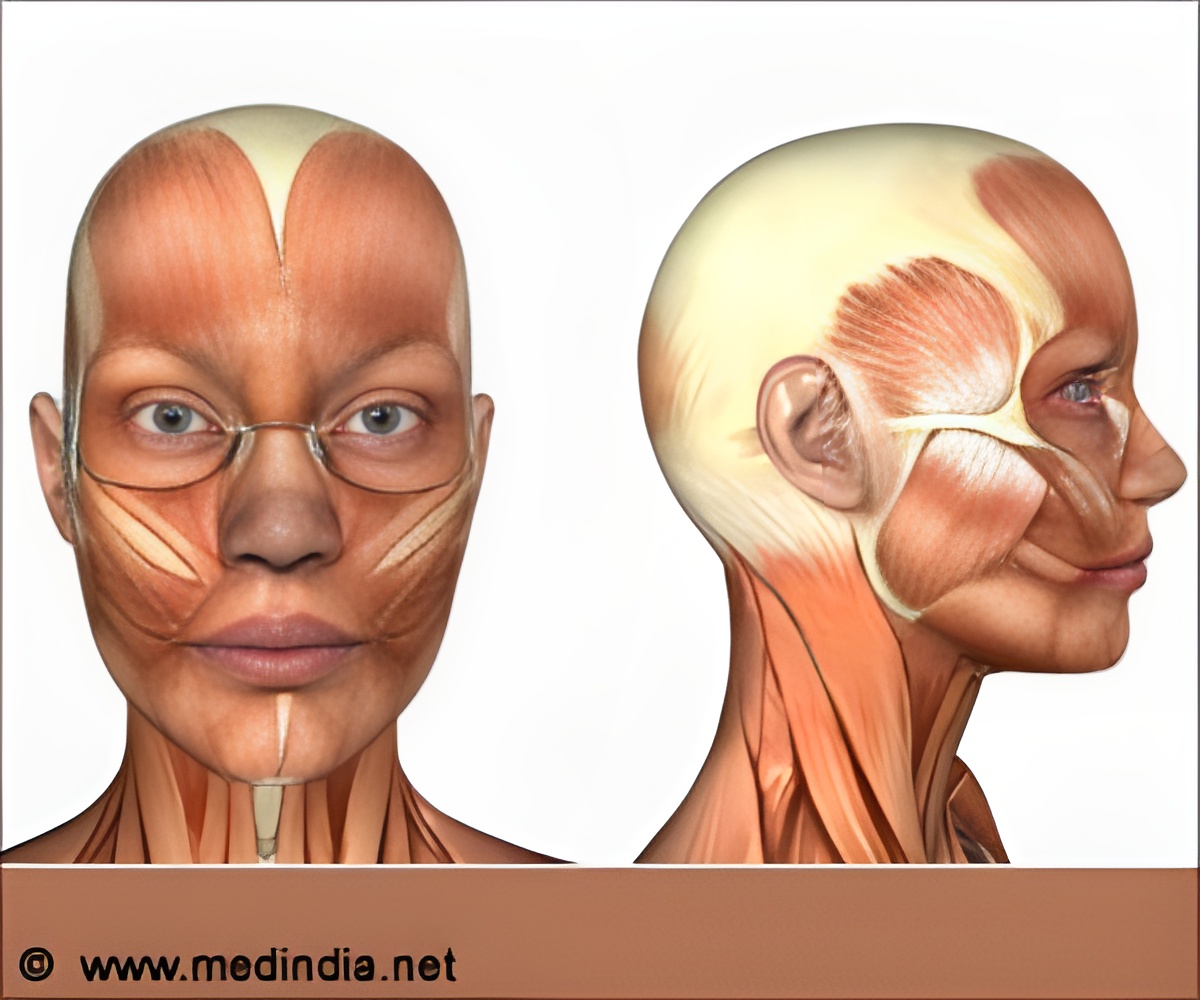
Using specific facial features such as eye and jawline, the task of discriminating between child and adult faces may become easier.
Each was revealed through a filter that excluded non-facial cues such as ears, hair, and neck. They were asked to identify the faces as belonging to either children or adults.
Later, they used image processing techniques to analyze which facial attributes of both children and adults the volunteers used to make their identifications.

New Skin-Hugging Sensor can Track Your Health in Real-time
New skin-hugging sensor developed to monitor health. This new wearable wireless sensor that sticks to the skin uses a new type of radiofrequency identification (RFID) to beam signals to receivers clipped to clothing.
New skin-hugging sensor developed to monitor health. This new wearable wireless sensor that sticks to the skin uses a new type of radiofrequency identification (RFID) to beam signals to receivers clipped to clothing.
Dr. Juliane Kloess, at the University of Birmingham, explained: “The number of indecent images of children in circulation has dramatically increased over the past 25 years. We hope that our findings may assist with the way computer algorithms prioritize images for human attention, which will help to partially automate the process of identifying and classifying this material. This would alleviate the pressures on existing resources within policing, and reduce the exposure of analysts to this type of material”.

Genes Determine the Shape of Your Face
Genes determine the shape of the face, and recent advances make it possible to enable re-creation of a face using genetic clues.
Genes determine the shape of the face, and recent advances make it possible to enable re-creation of a face using genetic clues.
Current processes to identify indecent images of children require digital forensics analysts in police forces to review images and make a decision.

Do Celebrities Conquer Cancer Better?
Medindia Special report underlines the importance of early breast cancer detection and the influence of celebrities over the same.
Medindia Special report underlines the importance of early breast cancer detection and the influence of celebrities over the same.
Source-Medindia
 Email
Email