MEDINDIA
 English
 हिन्दी
 Español
 français
 中文
中文
Peer-empowering campaigns boost cervical cancer prevention by leveraging peer influence and culturally attuned messaging.


Pap smear and Cervical Cancer Screening
Pap smear is the most common test used in screening cervical cancer caused by an infection with human papilloma virus. Pap smear should be repeated every 1 to 3 years till the age of 65 years.
Pap smear is the most common test used in screening cervical cancer caused by an infection with human papilloma virus. Pap smear should be repeated every 1 to 3 years till the age of 65 years.
TOP INSIGHT

What if the most effective #healthmessage came from a friend? Using peers to empower women about their health could be a game-changer for #cervicalcancer screening rates in India. A powerful reminder that community support saves lives. #WomenCancer #CancerScreening
Building Trust, Boosting Screenings: The Role of Peer-Led Health Communications
Recent findings from Texas McCombs reveal that trust plays a crucial role in encouraging women to get screened. Doctoral researcher Anima Nivsarkar discovered that health communications delivered by reliable and respected figures—such as physicians or community peers—significantly increase the likelihood that women will pursue these potentially life-saving examinations.The study began when a primary health care provider in India asked Nivsarkar — with Vedha Ponnappan and Prakash Satyavageeswaran from the Indian Institute of Management Udaipur and Sundar Bharadwaj from the University of Georgia — for help encouraging women to get cervical cancer screenings.
In discussions with local nonprofits, they found powerful social barriers — taboos and misconceptions around reproductive health — even when women knew that screening was available.
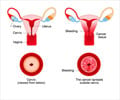
Cervical Cancer
Cancer cervix refers to cancerous growth in the cervix and usually occurs in the transition called squamo-columnar junction.
Cancer cervix refers to cancerous growth in the cervix and usually occurs in the transition called squamo-columnar junction.
“These interviews helped us uncover that it was primarily the social stigma, the sociocultural norms that existed in these areas, that were holding back women from getting screened and taking charge of their health.”

Quiz on Cervical Cancer
Cervical cancer remains a common cancer in women of the developing world despite a test available for early diagnosis and a vaccine to prevent it. Here’s a quiz to test your knowledge on cervical cancer. ...
Cervical cancer remains a common cancer in women of the developing world despite a test available for early diagnosis and a vaccine to prevent it. Here’s a quiz to test your knowledge on cervical cancer. ...
Effects were strongest, the researchers found, when a communicator’s message matched their role.

Female Reproductive System - Animation
Interactive section of Medindia gives details regarding Female reproductive system showing how the sperm fetilize the eggs
Interactive section of Medindia gives details regarding Female reproductive system showing how the sperm fetilize the eggs
Incentivizing Health: How Trust and Authority Can Fund More Screenings
When authority figures such as doctors or relatable sources such as peers explained the risks of not getting screened, women were willing to pay more for screening: enough that clinics could afford to screen 21% more women.Although the research focused on a specific audience and issue, it may have applications in other health care contexts involving cultural barriers, Nivsarkar says. Similar approaches might work for other kinds of stigmatized reproductive health services or in communities where mental health screening encounters taboos.
The results challenge the strategy of depending on infographics or the mere provision of factual information, Nivsarkar says. “Given that peer-empowering messages led to the largest increase in adoption, we recommend public health campaigns shift toward leveraging peer influence with culturally attuned appeals.”
Source-Eurekalert
 Email
Email