MEDINDIA
 English
 हिन्दी
 Español
 français
 中文
中文
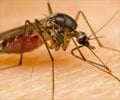
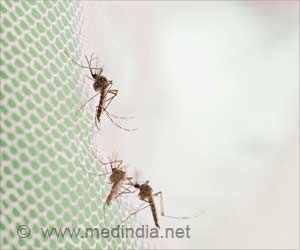
How the mosquito's immune system combats malaria parasites at multiple stages of development was explained in a new study.
About Mosquito Diseases
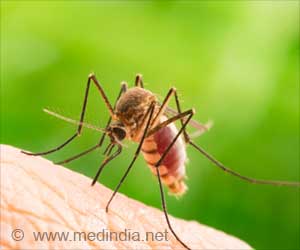
Mosquito-borne diseases, like malaria, filaria, dengue, etc are common in places conducive of mosquito breeding. Swamps, ponds and stagnated drainage provide optimal breeding ground for mosquitoes.
Mosquito-borne diseases, like malaria, filaria, dengue, etc are common in places conducive of mosquito breeding. Swamps, ponds and stagnated drainage provide optimal breeding ground for mosquitoes.
TOP INSIGHT

Complement-like pathway is found to be involved in recognizing and killing malarial parasites. Understanding these immune responses could provide opportunities to eliminate malarial parasites in the mosquito, thus reducing the transmission of malaria.
Read More..
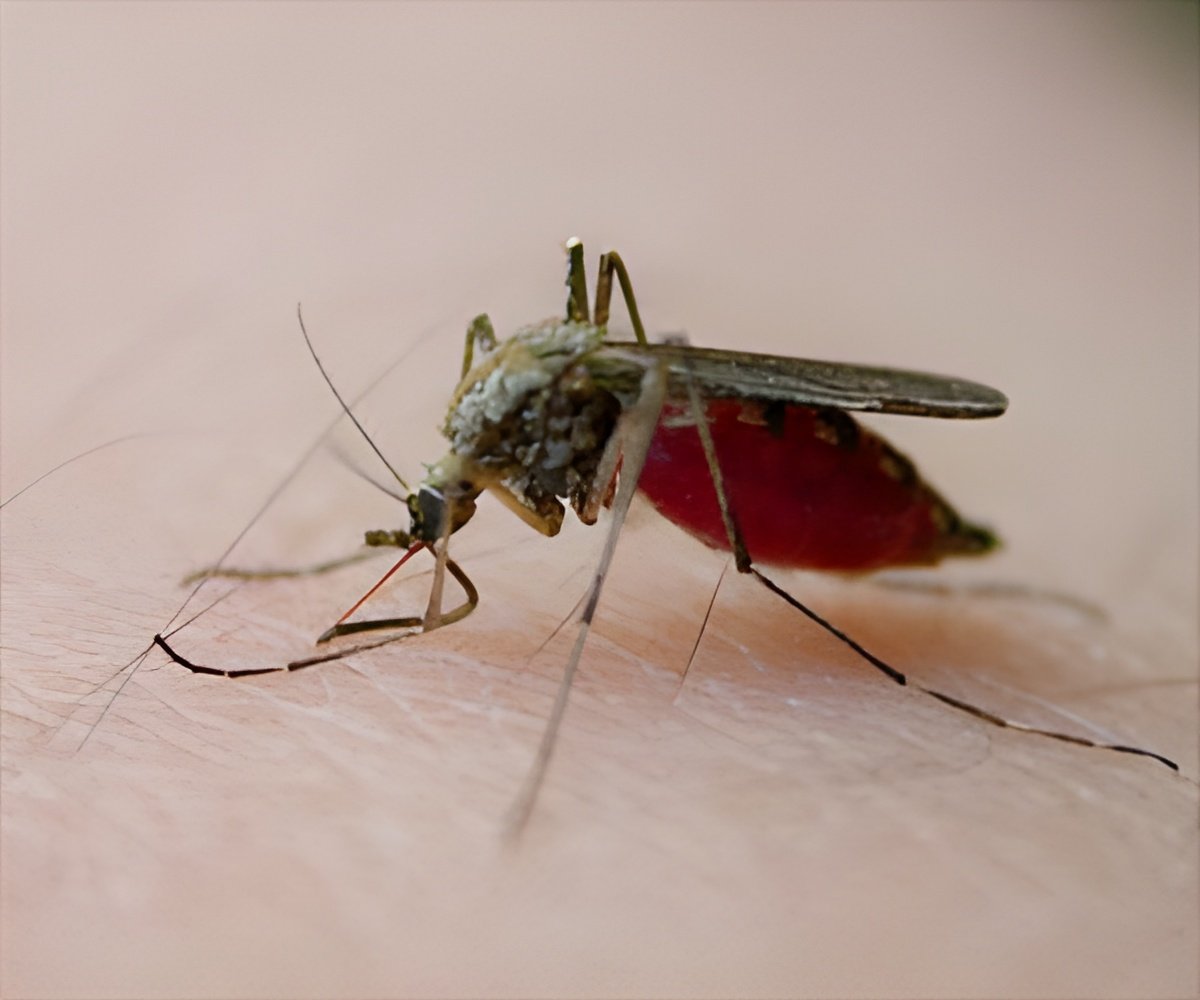
Mosquitoes are required to transmit malaria, acquiring malaria parasites by biting an infected person, then transmitting the disease weeks later after the parasite has completed development in the mosquito. The new study focused on how the mosquito immune system responds to the parasite.
"Mosquitoes are generally pretty good at killing off the parasite," Smith said. "We wanted to figure out the mechanisms and pathways that make that happen."
The researchers treated mosquitoes with a chemical that depleted their immune cells, which are needed to defend the mosquito against pathogens. The experiments showed that malaria parasites survived at greater rates in mosquitoes when the immune cells were depleted. The research also illuminated how these immune cells promoted different "waves" of the mosquito immune response targeting distinct stages of malaria parasites in the mosquito host.
Smith, who also leads the ISU Medical Entomology Laboratory, said the findings increase the understanding of a complement-like pathway that is involved in the initial recognition and killing of parasites, similar to that found in mammals. The work also implicates phenoloxidases, an insect-specific immune response, in causing a secondary immune response directed at later stages of the malaria parasite, he said.
"There are more steps required to validate that kind of approach, but we think this study lays a foundation for those future experiments," Smith said.
Source-Eurekalert
 Email
Email