MEDINDIA
 English
 हिन्दी
 Español
 français
 中文
中文
Secondhand smoke appears less mutagenic than air pollution, suggesting lower potential for causing genetic mutations.
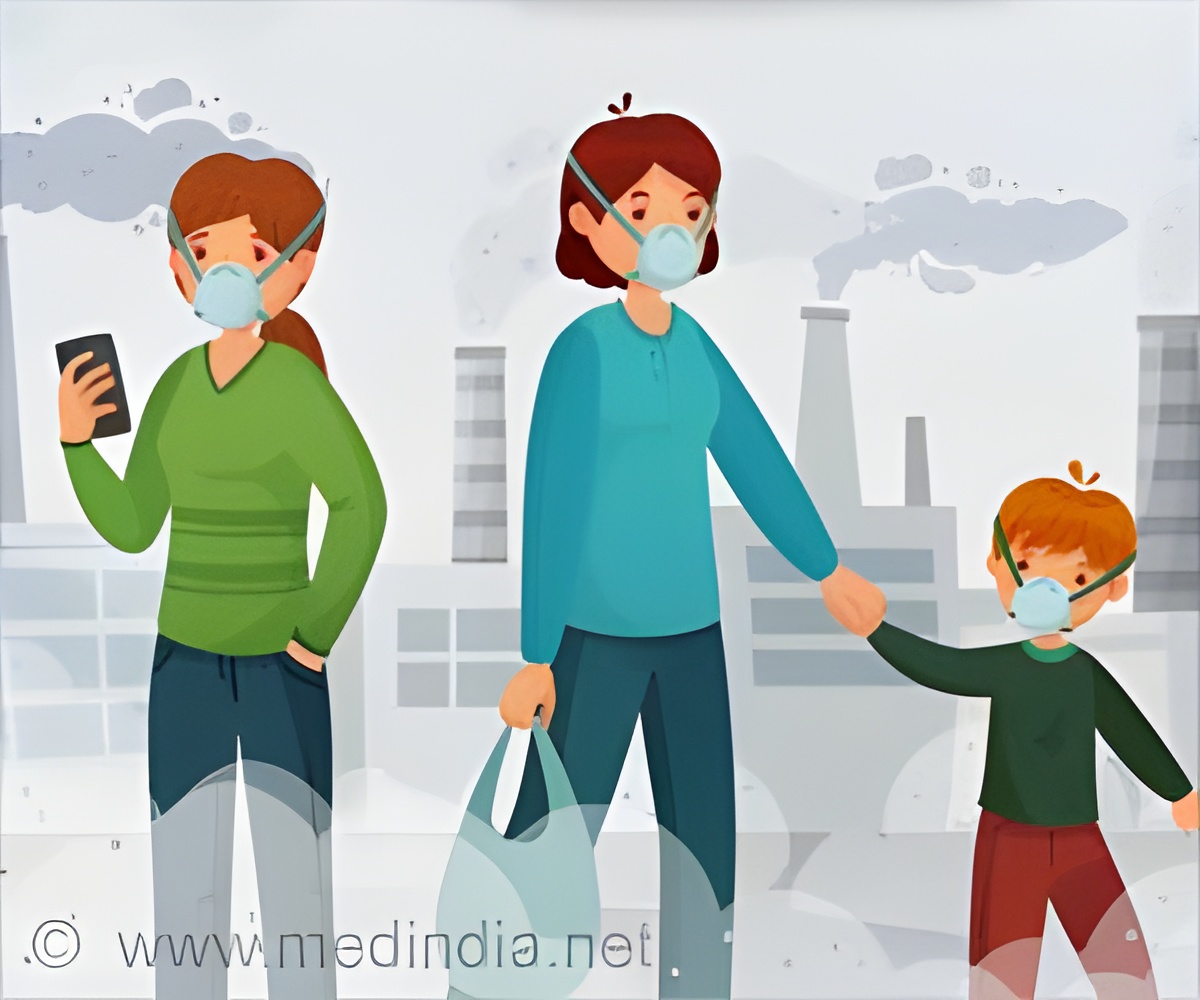
The mutagenic forces shaping the genomes of lung cancer in never smokers
Go to source). The team conducted the largest whole-genome analysis to date of lung cancer cases in never-smokers, revealing that prolonged exposure to polluted air is associated with a higher number of cancer-driving and cancer-promoting mutations.
Air Pollution
Nearly 2.4 million deaths every year are attributable to air pollution. Air pollutants may be solid particles, liquid droplets or gases. Proper planning methods should be adopted to reduce air pollution.
Nearly 2.4 million deaths every year are attributable to air pollution. Air pollutants may be solid particles, liquid droplets or gases. Proper planning methods should be adopted to reduce air pollution.
TOP INSIGHT

#Air_pollution exposure is associated with TP53 gene changes and other mutational signatures previously linked to #tobacco #smoking. #LungCancer
New Paths to Combat Lung Cancer in a Growing Population
These findings not only provide critical insights into how environmental factors contribute to lung cancer in non-smokers but also open the door to new strategies for prevention and early detection in this growing patient population.Researchers analyzed lung tumors from 871 never-smoker patients across 28 geographic locations worldwide as part of the Sherlock-Lung study.
Air Pollution Linked to Premature Telomere Shortening
They also observed a relationship between air pollution and shorter telomeres, which are sections of DNA found at the end of chromosomes. Telomeres shorten naturally with age and shorter telomeres are related to cells inability to continue to replicate. However, scientists found fine particulate air pollution was linked to premature shortening of telomeres.
Effects of Air Pollution on Health
What are the health effects of air pollution? Discover the hidden dangers and long-term consequences for your well-being.
What are the health effects of air pollution? Discover the hidden dangers and long-term consequences for your well-being.
By beginning to uncover the mechanisms through which tissues acquire cancer-causing or cancer-promoting mutations following environmental exposures, this study helps scientists better understand the primary drivers of lung cancer in this population—which represents up to 25% of all lung cancer cases globally.
Lung Cancer
Lung cancer is a malignant tumor in the lung tissues. Smoking is the main cause of lung cancer with symptoms like recurrent respiratory diseases.
Lung cancer is a malignant tumor in the lung tissues. Smoking is the main cause of lung cancer with symptoms like recurrent respiratory diseases.
Reference:
- The mutagenic forces shaping the genomes of lung cancer in never smokers - (https://www.nature.com/articles/s41586-025-09219-0)
Source-Eurekalert

The Lungs - Animation
The lungs are our organs of respiration. It is within these, that exchange of gases takes place.
The lungs are our organs of respiration. It is within these, that exchange of gases takes place.
 Email
Email