MEDINDIA
 English
 हिन्दी
 Español
 français
 中文
中文
Latest studies confirmed the increasing burden of NAFLD in people with HIV infection as viral hepatitis prevalence and associated mortality decline.
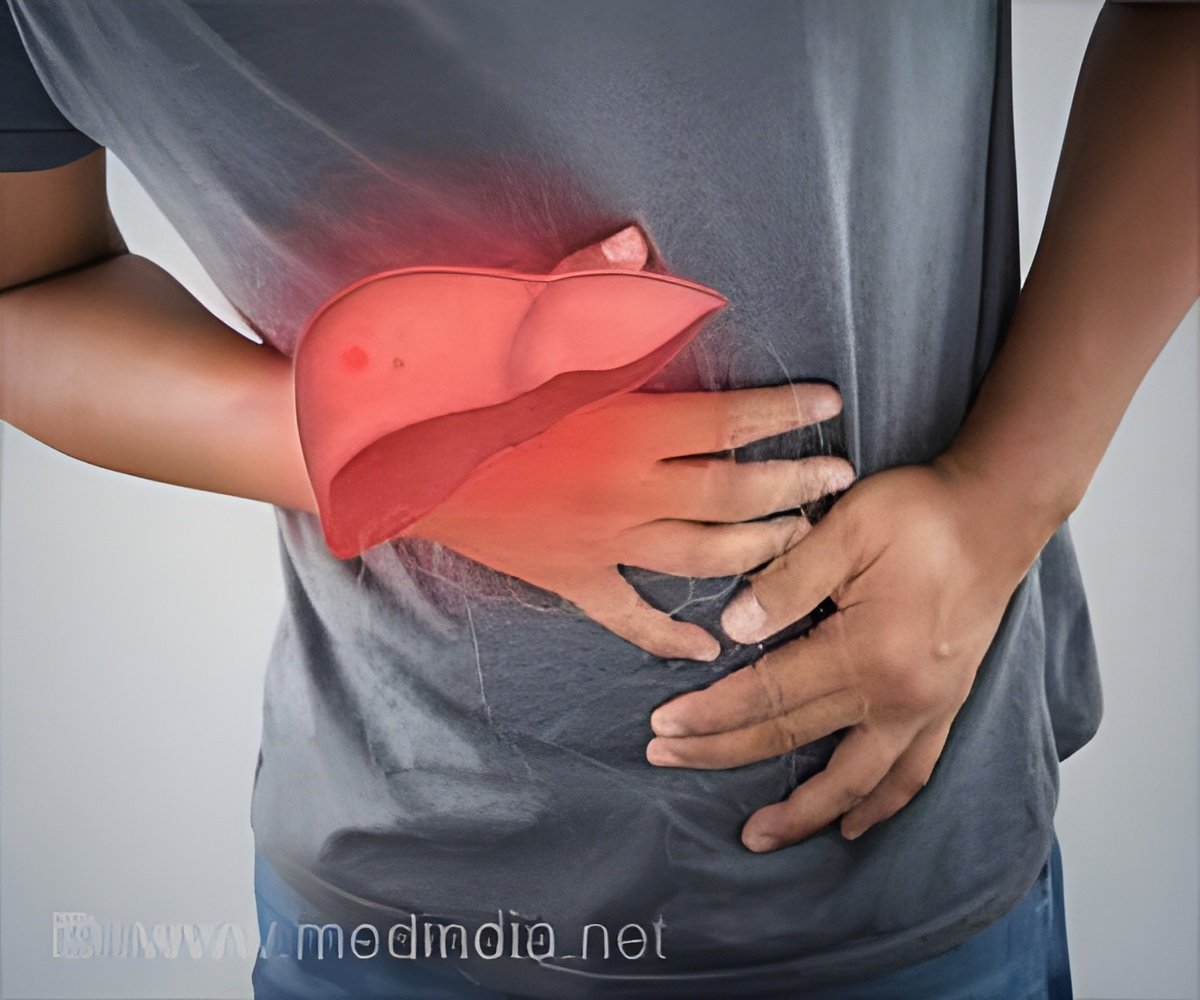
Fatty Liver Disease: A Growing Health Problem in India - Causes, Symptoms, Diagnosis, Treatment
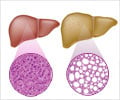
Non alcoholic fatty liver disease (NAFLD) is the leading cause of liver dysfunction worldwide and is a rapidly growing health problem in India.
Non alcoholic fatty liver disease (NAFLD) is the leading cause of liver dysfunction worldwide and is a rapidly growing health problem in India.
TOP INSIGHT

NAFLD represents an important risk factor for the development and progression of liver disease, and with the availability of effective hepatitis B and C antiviral medications, it is conceivable that NAFLD could become the most prominent liver disease affecting individuals with HIV in the future.
'Our study shows that, as highly effective treatments for HBV and HCV infections lead to reduced associated mortality in HIV-infected populations, NAFLD is becoming an increasingly important cause of liver disease,' said Dr Zobair Younossi, Professor and Chairman of the Department of Medicine at Inova Fairfax Medical Campus in Falls Church, Virginia, USA, who presented the study results.
The second study, involving teams from Canada, the UK and Italy, used a diagnostic algorithm based on current EASL guidelines in HIV-negative populations6 to identify individuals with NAFLD from two cohorts of adults with living with HIV without significant alcohol intake or viral hepatitis coinfection (the LIVEr disease in HIV [LIVEHIV] and Modena HIV Metabolic Clinic [MHMC] cohorts). Of the 1,228 HIV-infected individuals reviewed (mean age 50 years; 73% males; time since diagnosis 16 years), 31.8% had NAFLD. Based on elevated alanine aminotransferase (ALT) levels and/or significant fibrosis, 25.2% of these patients were considered to be at risk of progressive liver disease compared with 18.4% of patients without NAFLD. Independent predictors of liver disease progression requiring specialist referral were found to be male sex, diabetes, and duration of HIV infection.

Quiz on Hepatitis
Hepatitis is a common liver disease that is responsible for mortality as well as morbidity. Test your knowledge on hepatitis by taking this quiz.
Hepatitis is a common liver disease that is responsible for mortality as well as morbidity. Test your knowledge on hepatitis by taking this quiz.
Professor Philip Newsome (Vice-Secretary, EASL) said, "These studies indicate the changing profile of liver disease in patients with HIV - whilst viral hepatitis is still the major cause of liver disease in such groups, NAFLD is becoming a much commoner problem. This reinforces the need to study of therapeutic agents in patients with NAFLD and HIV, an area which is seldom examined."


Alcohol
Alcohol- This slideshow introduces you to alcohol, its types, and its industrial and recreational uses.
Alcohol- This slideshow introduces you to alcohol, its types, and its industrial and recreational uses.
 Email
Email