MEDINDIA
 English
 हिन्दी
 Español
 français
 中文
中文
High volume transplant centers more frequently used livers with a high donor risk index, reveals research.
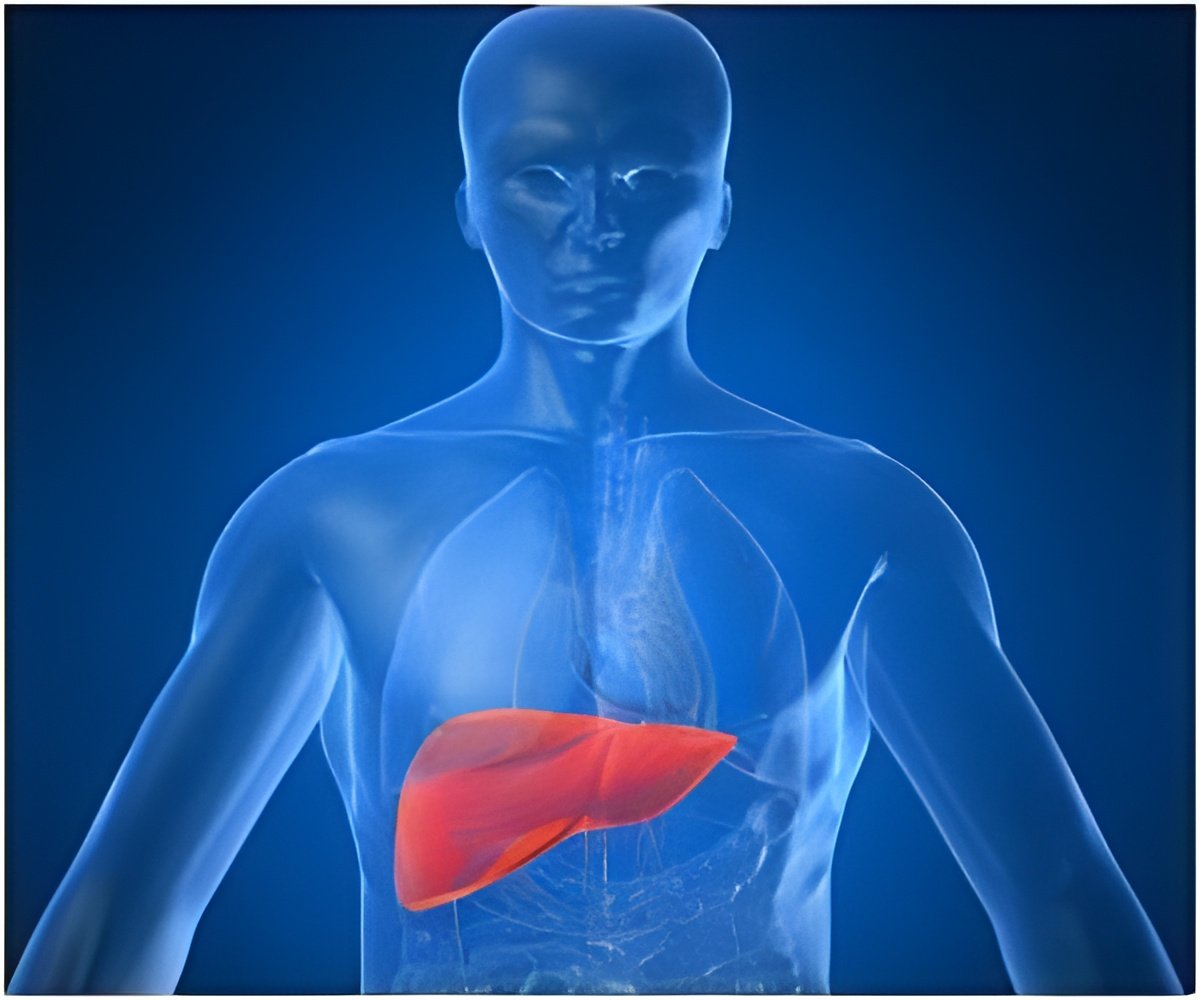
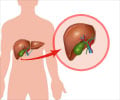
Liver Transplantation - Facts, Contraindications, Procedure, Follow up, Complications & Prognosis
Liver transplantation is a surgical option for the treatment of liver failure where the diseased liver is replaced with a healthy one.
Liver transplantation is a surgical option for the treatment of liver failure where the diseased liver is replaced with a healthy one.
For the present study Dr. Shimul A. Shah and colleagues from the University of Massachusetts Medical School identified 31,587 deceased donor liver transplants from the Scientific Registry of Transplant Recipients database between 2002 and 2008. Recipients who were 18 years of age and older were included, and partial or multiple liver transplants were excluded. Over 100 transplant centers were included with high volume centers (HVC) conducting 78-215 procedures annually; medium volume centers (MVC) at 49-77, and low volume centers (LVC) at 5-48.
Results showed that HVC utilized donors with higher mean DRI at 2.07 compared to MVC and LVC at 2.01 and 1.91, respectively. Centers with greater procedure volume were found to have decreased risk of graft failure and recipient death. "Our study was the first to demonstrate the survival benefits associated with center-specific procedure volume and DRI," said Dr. Shah, a surgeon at UMass Memorial Medical Center. "With increasing numbers of waitlist candidates and critical shortage of available organs, it is vital that every available liver be fully utilized and we continue to evaluate outcomes with high-risk donor organs."

ORGAN DONATION
Why is organ donation regarded as crisis with a cure? Read more to find out. View slide show on organ donation.
Why is organ donation regarded as crisis with a cure? Read more to find out. View slide show on organ donation.
Source-Eurekalert

Survival Rate Improved by Living Donor Liver Transplantation
Liver transplantation candidates without hepatocellular carcinoma (HCC) have a greater survival benefit from a living liver transplant than waiting for a deceased donor liver transplant, shows study.
Liver transplantation candidates without hepatocellular carcinoma (HCC) have a greater survival benefit from a living liver transplant than waiting for a deceased donor liver transplant, shows study.

Liver Transplantation for Bile Duct Cancer
Transplantation of liver is often used for cancer that occurs within the liver.
Transplantation of liver is often used for cancer that occurs within the liver.
 Email
Email