MEDINDIA
 English
 हिन्दी
 Español
 français
 中文
中文
Intake of high-pesticide residue fruits and vegetables can lower the probability of pregnancy and live birth among women following infertility treatment.
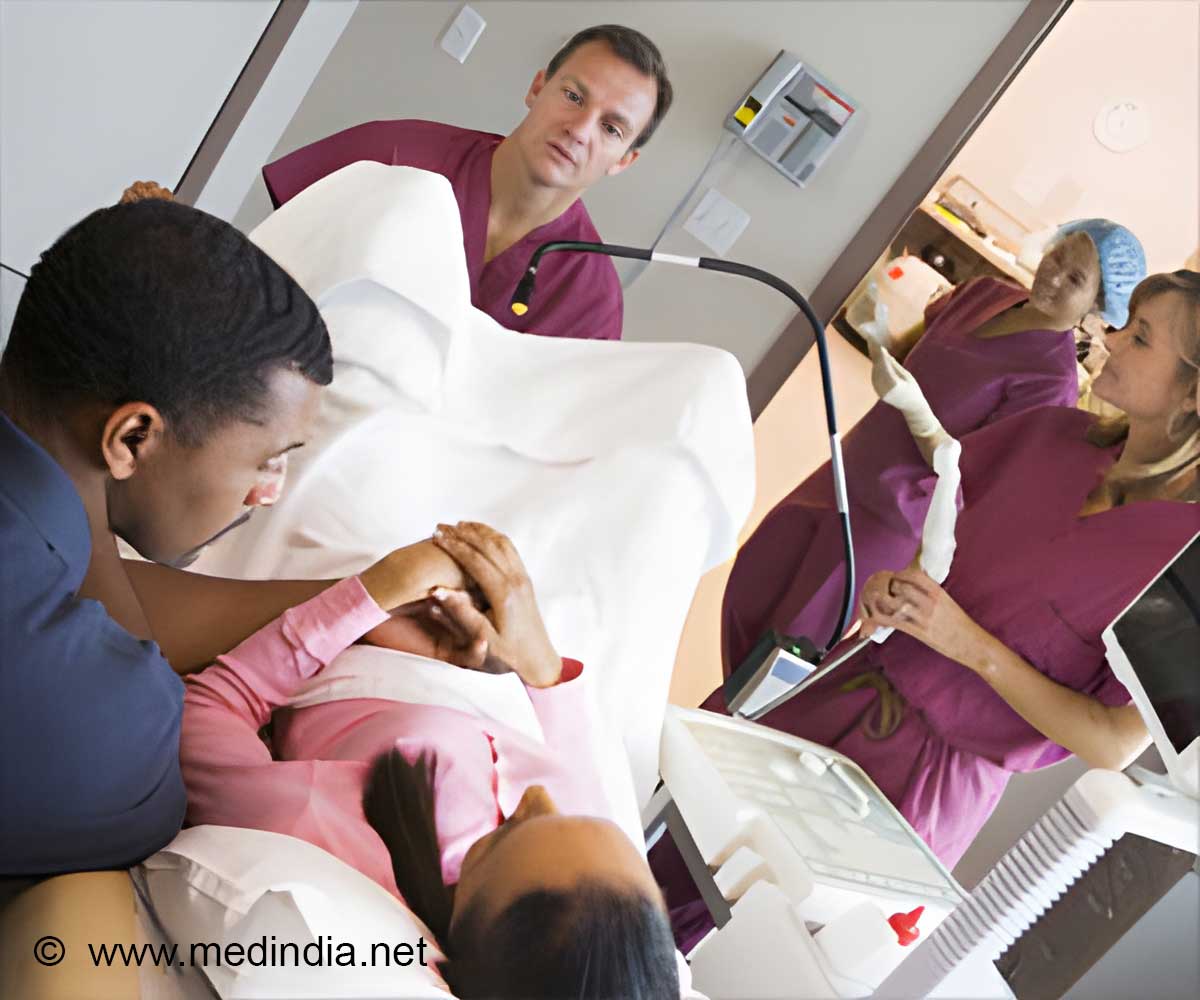

Assisted Reproductive Technologies - Types, Preparation, Procedure & Risk Factors
Assisted reproductive technologies include all measures involving the manipulation of gametes and embryo outside of the human body to help a couple conceive.
Assisted reproductive technologies include all measures involving the manipulation of gametes and embryo outside of the human body to help a couple conceive.
TOP INSIGHT

Consuming low-pesticide residue fruits and vegetables is not linked with lower pregnancy and live birth outcomes.
325 women who completed a diet questionnaire and subsequently underwent cycles of assisted reproductive technologies as part of the Environment and Reproductive Health (EARTH) study at a fertility center at a teaching hospital in Boston between 2007 and 2016.
Researchers categorized fruits and vegetables as having high or low pesticide residues using a method based on surveillance data from the U.S. Department of Agriculture. They counted the number of confirmed pregnancies and live births per cycle of fertility treatment.
Same-Sex Couples Often Face More Obstacles in Infertility Treatment
Same-sex couples often must undergo psychological evaluations before being treated for infertility, a process that is not required for opposite-sex couples.
Same-sex couples often must undergo psychological evaluations before being treated for infertility, a process that is not required for opposite-sex couples.
The authors of this study are Jorge E. Chavarro, M.D., Sc.D., of the Harvard T. H. Chan School of Public Health, Boston, and colleagues.
Sperm Grown from Skin Cells Dawns Hope On New Infertility Treatments
Researchers generate rudimentary sperm using mouse stem cells which was then used to fertilize eggs and produce healthy mouse pups.
Researchers generate rudimentary sperm using mouse stem cells which was then used to fertilize eggs and produce healthy mouse pups.
The study estimated exposure to pesticides based on women's self-reported intake combined with pesticide residue surveillance data rather than through direct measurement. The study also cannot link specific pesticides to adverse effects.

Possible Use of Polar Body for Infertility Treatment
The use of polar bodies to produce functional embryos could potentially increase the success rate of in vitro fertilization.
The use of polar bodies to produce functional embryos could potentially increase the success rate of in vitro fertilization.
Source-Eurekalert
 Email
Email