MEDINDIA
 English
 हिन्दी
 Español
 français
 中文
中文
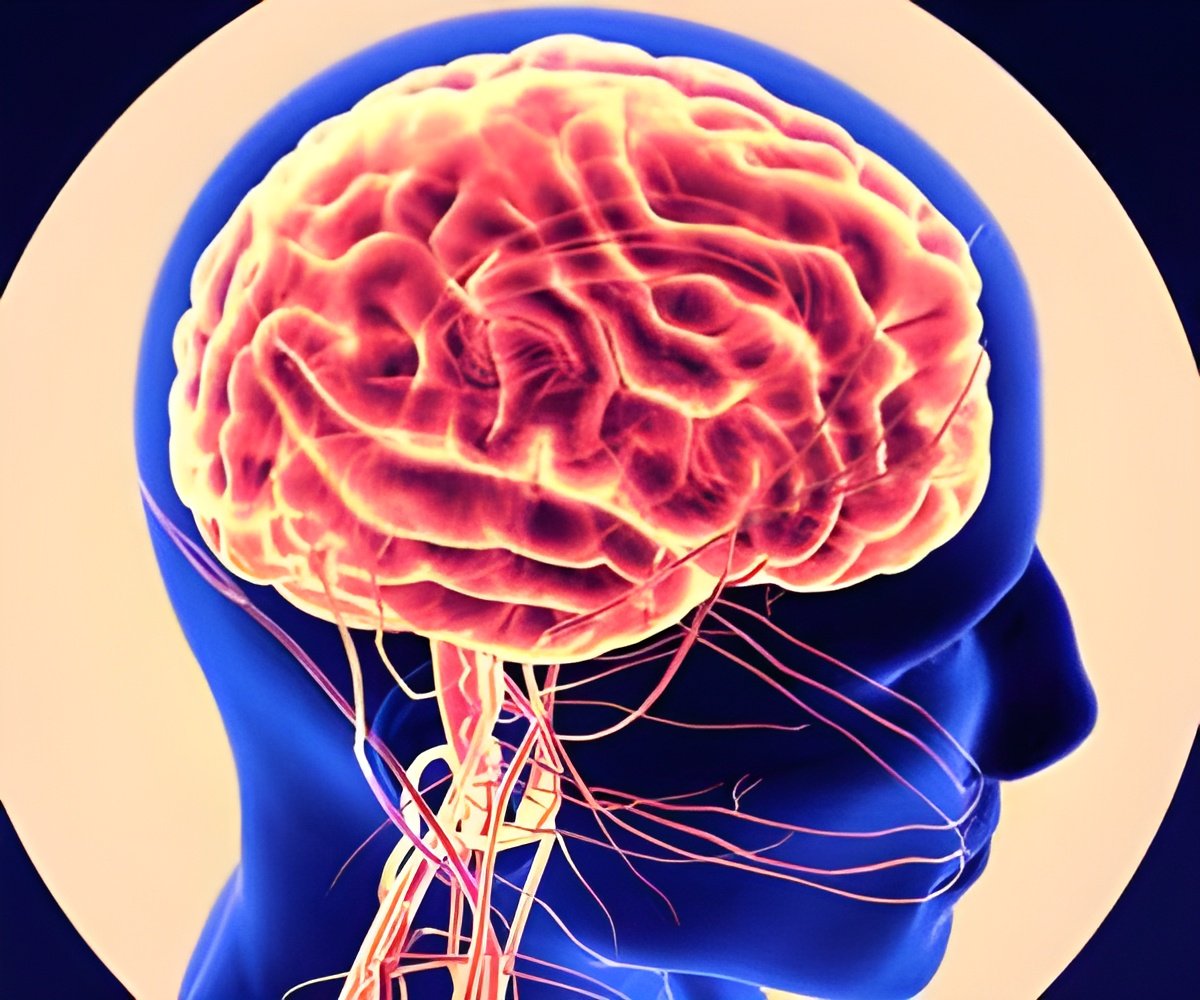
The brain's mechanism of retaining working memory when faced with distractions could inspire neural networks for artificial intelligence.
New Artificial Intelligence Can Detect Colorectal Cancer Early
A newly developed endoscopic system is powered by artificial intelligence (AI) can automatically identify colorectal adenomas during colonoscopy.
A newly developed endoscopic system is powered by artificial intelligence (AI) can automatically identify colorectal adenomas during colonoscopy.
TOP INSIGHT

While distractions do change the activity of neurons, they are able to retain information by reorganising the information within the same population of neurons.
However, studies conducted by the NUS team suggest that distractions do change the activity of the neurons, but they are able to retain information by reorganising the information within the same population of neurons. In other words, the "code" used by the neurons to maintain memory information morphs to a different code after a distractor is presented. This unexpected finding has strong implications for our understanding of how the brain processes information, which in turn may lead to inspiration for research in artificial intelligence, as well as neuropsychiatric research, where deficits in memory and attention are common.
The research team behind this novel discovery was led by Assistant Professor Yen Shih-Cheng from the Department of Electrical and Computer Engineering at NUS Faculty of Engineering and Assistant Professor Camilo Libedinsky from the Department of Psychology at NUS Faculty of Arts and Social Sciences.

Artificial Intelligence Helps With Earlier Detection of Skin Cancer
Dermatologists largely rely on subjective visual examinations of skin lesions such as moles to decide if patients should undergo biopsies to diagnose the disease.
Dermatologists largely rely on subjective visual examinations of skin lesions such as moles to decide if patients should undergo biopsies to diagnose the disease.
Inspiration for novel and more efficient neural networks

Use of Artificial Intelligence May Help Detect Melanoma Skin Cancer Early
The artificial intelligence (AI) system could initially reduce the number of unnecessary biopsies, a significant health-care cost.
The artificial intelligence (AI) system could initially reduce the number of unnecessary biopsies, a significant health-care cost.
"Our study could potentially provide inspiration for new types of computer architectures and learning rules used in artificial neural networks modelled after the brain. This could potentially enhance the neural network’s ability to store information flexibly using fewer resources, and to exhibit greater resilience in retaining information in these networks - for instance, in the presence of new incoming information or disruption to the activity," said Asst Prof Yen.
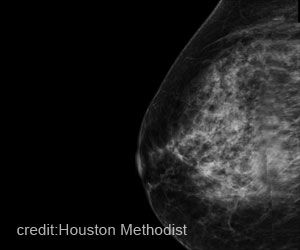
Machine Learning can Now Identify High Risk Cancerous Breast Lesions
Machine learning can help Identify high risk cancerous breast lesions and thereby reduce the chances of unnecessary surgical procedures
Machine learning can help Identify high risk cancerous breast lesions and thereby reduce the chances of unnecessary surgical procedures
Moving forward, the team plans to conduct further studies to understand the conditions that trigger the reorganisation of information in the populations of neurons in the prefrontal cortex. The team is also interested to study how the information is reorganised, and whether this affects activity in other parts of the brain. Furthermore, the researchers hope to use the findings of the study to develop novel neural network architectures.
Source-Eurekalert
 Email
Email