MEDINDIA
 English
 हिन्दी
 Español
 français
 中文
中文
The artificial intelligence (AI) system could initially reduce the number of unnecessary biopsies, a significant health-care cost.
New Terahertz Imaging Approach can be Useful for Detecting Early-Stage Skin Cancer
Skin cancer can already be detected using terahertz light, but because of the low resolution, the cancer can only be seen after it has grown quite large.
Skin cancer can already be detected using terahertz light, but because of the low resolution, the cancer can only be seen after it has grown quite large.
TOP INSIGHT

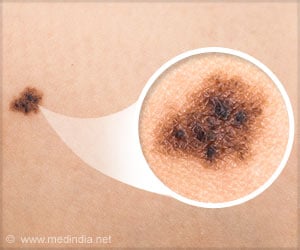
If melanoma is recognized and treated early, it is almost always curable, but if it is not, the cancer can advance and spread to other parts of the body, where it becomes hard to treat and can be fatal.
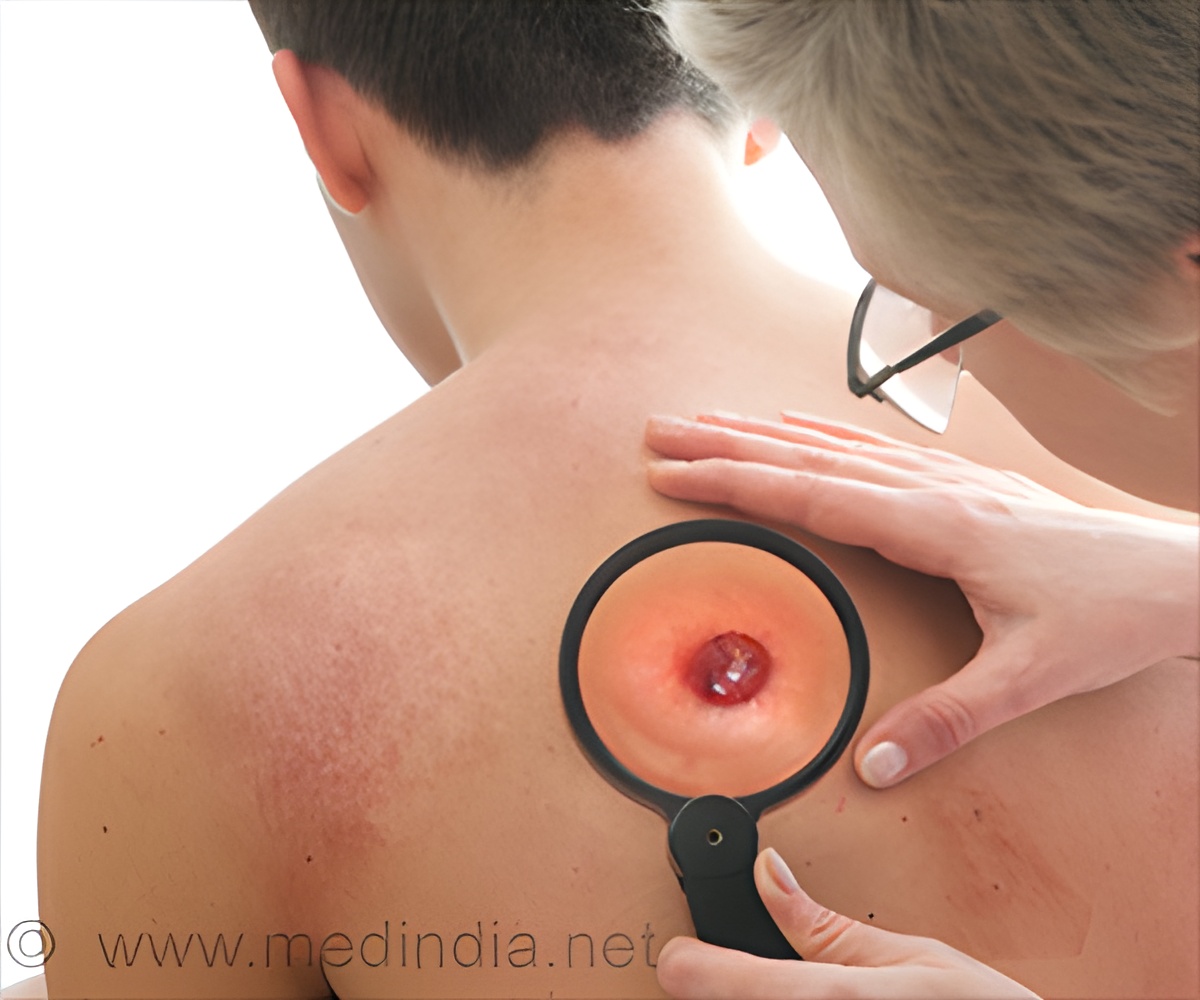
The AI system--trained using tens of thousands of skin images and their corresponding eumelanin and hemoglobin levels--could initially reduce the number of unnecessary biopsies, a significant health-care cost. It gives doctors objective information on lesion characteristics to help them rule out melanoma before taking more invasive action.
The technology could be available to doctors as early as next year.

FUT8, An Enzyme That Stops The Spread of Skin Cancer Found
FUT8, an enzyme is a driver of melanoma metastasis, and when silenced, suppresses the onset of cancer and the dissemination of tumors.
FUT8, an enzyme is a driver of melanoma metastasis, and when silenced, suppresses the onset of cancer and the dissemination of tumors.
Currently, dermatologists largely rely on subjective visual examinations of skin lesions such as moles to decide if patients should undergo biopsies to diagnose the disease.
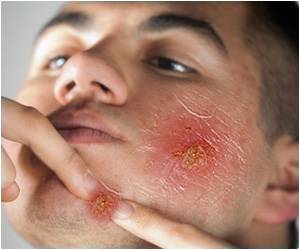
Basal and Squamous Cell Skin Cancers On the Rise
Recently, two types of skin cancers (basal tumour and squamous tumors) have been on the rise, say researchers.
Recently, two types of skin cancers (basal tumour and squamous tumors) have been on the rise, say researchers.
"There can be a huge lag time before doctors even figure out what is going on with the patient," said Wong who is also the Canada Research Chair in Medical Imaging Systems. "Our goal is to shorten that process."
Dangers of Indoor Tanning Perceived Through Images of Skin Cancer
Although the health risks associated with indoor tanning are clear, tanning bed use among college-aged women is still popular.
Although the health risks associated with indoor tanning are clear, tanning bed use among college-aged women is still popular.
The research was recently presented at the 14th International Conference on Image Analysis and Recognition in Montreal.
Source-Eurekalert
 Email
Email