MEDINDIA
 English
 हिन्दी
 Español
 français
 中文
中文
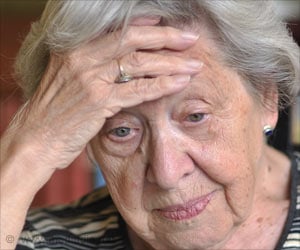
A new study suggests that older women who eat alone have poorer nutritional knowledge and intake and a higher prevalence of heart disease.

Malnutrition to Obesity - The Big Leap
Obesity is the root cause of problems like diabetes, heart disease, stroke, arthritis and gall bladder disease. A serious look at our strategies is needed to tackle this fast growing epidemic.
Obesity is the root cause of problems like diabetes, heart disease, stroke, arthritis and gall bladder disease. A serious look at our strategies is needed to tackle this fast growing epidemic.
TOP INSIGHT

Engage and creating meaningful social ties for older women who are socially isolated not only improve their nutrition but also their overall health while simultaneously reducing healthcare costs.
With more people eating alone, health concerns have been raised. A previous study reported that a higher frequency of eating alone is associated with a higher risk of abdominal obesity and elevated blood pressure.
When eating alone, people tend to eat faster, which often leads to increases in body mass index, waist circumference, blood pressure, and blood lipid levels, all of which can increase the risk of metabolic syndrome and heart disease.
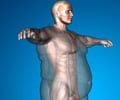
Obesity - Causes, Symptoms, Diagnosis, Complications, Treatment
Obesity is a condition where there is excess accumulation of body fat which poses a risk to the health of the individual. It can affect children and adults.
Obesity is a condition where there is excess accumulation of body fat which poses a risk to the health of the individual. It can affect children and adults.
These findings suggest that eating alone is a risk factor for heart disease in older women, few studies have investigated the relationship between eating alone and the prevalence of heart disease.
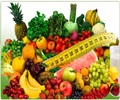
Diet and Nutrition for Healthy Weight Loss
Correct diet and a planned exercise regime is the mantra of healthy and sustainable weight loss.
Correct diet and a planned exercise regime is the mantra of healthy and sustainable weight loss.
They also investigated the relationship between eating alone and the prevalence of CVD and its risk factors in older women.
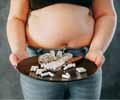
Weight Loss Drugs (Diet Pills)
Diet pills are medicines that help control or reduce weight. Diet pills are otherwise know as weight loss drugs or anti-obesity medications.
Diet pills are medicines that help control or reduce weight. Diet pills are otherwise know as weight loss drugs or anti-obesity medications.
More specifically, it was found that older women who ate alone had lower intakes of energy, carbohydrates, dietary fiber, sodium, and potassium than those who ate with others.
In addition, older women eating alone were 2.58 times more likely to have angina, a type of chest pain caused by reduced blood flow to the heart and a symptom of coronary artery disease.
These results also highlight the value of nutrition education and heart disease screening for older women who mainly eat alone.
Source-Medindia
 Email
Email