MEDINDIA
 English
 हिन्दी
 Español
 français
 中文
中文
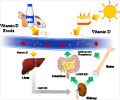
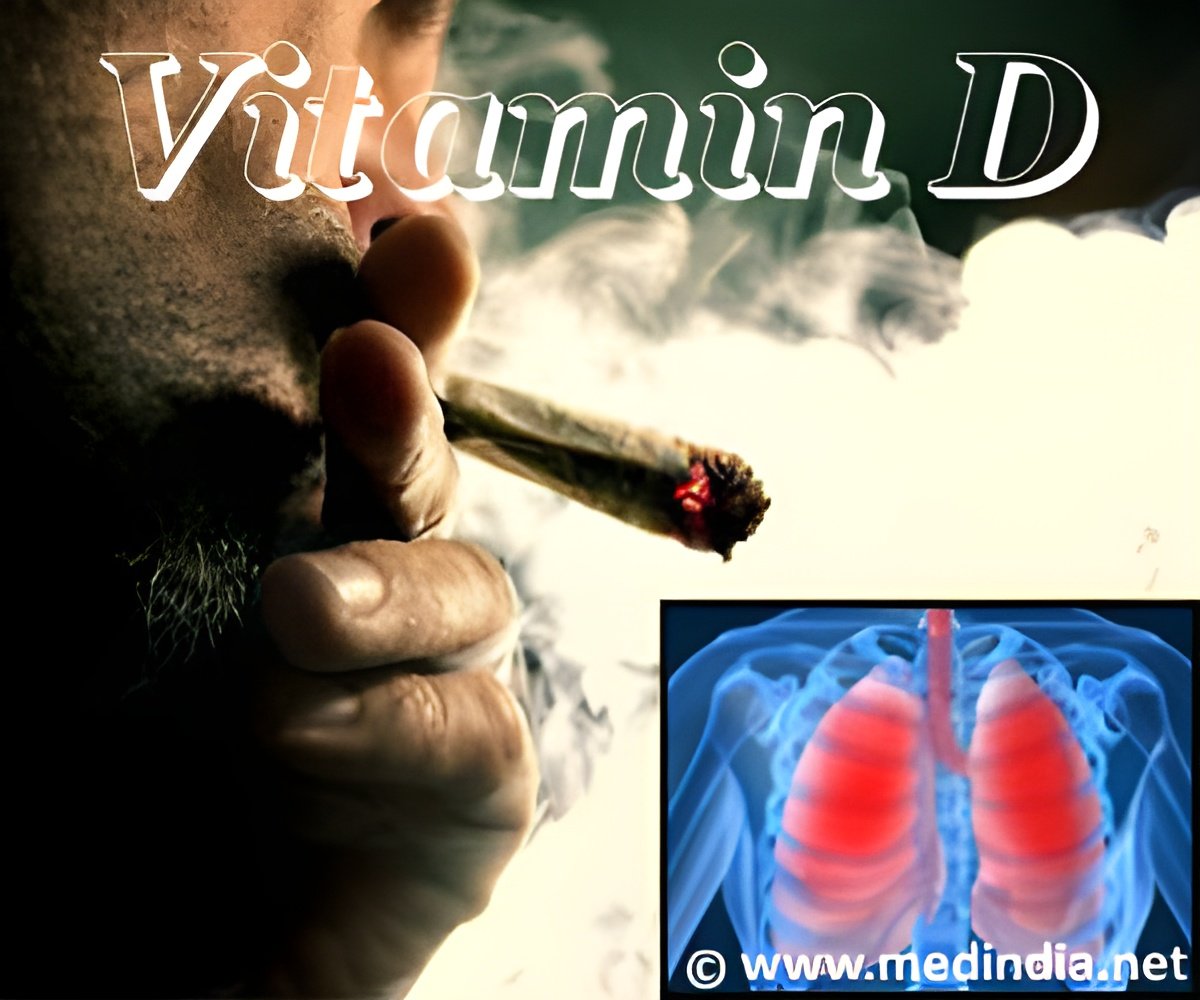
A recent study has suggested that consuming vitamin D can actually have a beneficial effect on the lung, especially in smokers.

Smoking Risk Calculator
Do you smoke cigarettes daily? Use medindia smoking risk calculator and calculate your reduced Life Span due to Smoking.
Do you smoke cigarettes daily? Use medindia smoking risk calculator and calculate your reduced Life Span due to Smoking.
The findings were published online in the American Thoracic Society's American Journal of Respiratory and Critical Care Medicine.
During the study, vitamin D levels were evaluated three times between 1984 and 2003, and the lung function was assessed using spirometry.

Quiz on Smoking
Approximately half the smokers die due to smoking -related diseases. But it is not just the smokers who are at the receiving end. The passive smokers too, often pay a heavy price. If you still have not 'kicked the butt’, learn more horrifying facts about smoking by participating in the following quiz.
Approximately half the smokers die due to smoking -related diseases. But it is not just the smokers who are at the receiving end. The passive smokers too, often pay a heavy price. If you still have not 'kicked the butt’, learn more horrifying facts about smoking by participating in the following quiz.
These results show that vitamin D might modify the damaging effects of smoking on lung function and this may be due to the vitamin’s anti-inflammatory and anti-oxidant properties.

Why smoking can kill you
Every cigarette you smoke is causing irreversible damage to your body; slowly killing you from the inside. It also endangers those around you, your family and children.
Every cigarette you smoke is causing irreversible damage to your body; slowly killing you from the inside. It also endangers those around you, your family and children.
"If these results can be replicated in other studies, they could be of great public health importance," Dr. Lange remarked. "Future research should also examine whether vitamin D protects against lung damage from other sources, such as air pollution," she suggested.
Source-Medindia
 Email
Email