MEDINDIA
 English
 हिन्दी
 Español
 français
 中文
中文

Your earwax isn’t just sticky gunk - it’s your body’s built-in defense and a surprising source of health insights.
Highlights:
- Earwax protects against infections and hydrates the ear canal naturally
- Wax type and texture are genetically linked and may reveal ancestry
- Changes in color or smell can signal infections or other health issues
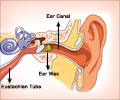
Your earwax functions as a built-in security system to protect the entrance of your ear canal. By settling inside the ear canal, earwax shields you from dust intrusion, captures dirt particles, and prevents infections.
Recent research indicates that earwax can reveal details about our health, ancestry, and stress levels. So before you poke at it again, let’s give this underappreciated substance the attention it deserves (1✔ ✔Trusted Source
5 Surprising Things Earwax Can Tell You About Your Health
Go to source).

Earwax Sampling can Measure Stress Hormone
New method to sample earwax could be a cheap and effective way to measure the hormone cortisol, reports a new study.
New method to sample earwax could be a cheap and effective way to measure the hormone cortisol, reports a new study.
TOP INSIGHT

Did You Know?
Your earwax can reveal stress hormones, pollutants, and even your ancestry! #earwax #healthinfo #earhealth #medindia
Your Ear’s First Line of Defense
The natural cleaning function of your ears exists independently. Humans possess built-in mechanisms to maintain earwax balance on their own. Wax develops within the outer section of the ear canal because this area contains glands that create wax. During activities like speech, chewing, or yawning, the wax moves outwards with the accumulated debris containing dust, germs, and deceased skin cells.Earwax is:
- Antibacterial – helps fight infections.
- Antifungal – keeps yeast and fungi in check.
- Hydrating – prevents your ear canal from becoming dry or cracked.

Earwax Softeners may Cause Hearing Loss or Damage
Certain over-the-counter earwax softeners can cause severe inflammation and damage to the eardrum and inner ear, say researchers.
Certain over-the-counter earwax softeners can cause severe inflammation and damage to the eardrum and inner ear, say researchers.
What Kind of Wax You Have Is Written in Your DNA
The appearance of earwax differs between people due to genetic factors. It is not by chance that people have different earwax since it is a matter of genetics.There are two types:
- Wet earwax: yellowish, sticky, and more common among people of African and European descent.
- Dry earwax: gray, flaky, and typical in East Asian and Native American populations.
According to scientists, this particular feature appeared in human evolution to help cold-climate inhabitants diminish heat loss and smell emissions, thus enhancing their chance of survival.
Home Remedies for Ear Blockage | Simple Tips to Curb Ear Blockages
Blocked ears not letting you concentrate? Try these simple home remedies to curb ear blockages in a jiffy.
Blocked ears not letting you concentrate? Try these simple home remedies to curb ear blockages in a jiffy.
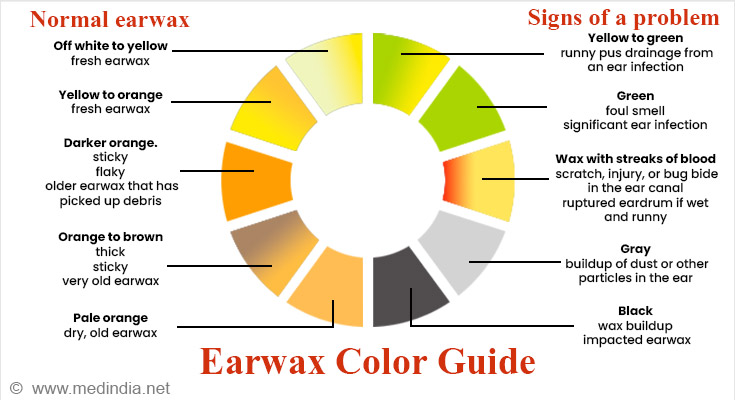
Color, Smell, and Texture: What Is Your Earwax Saying?
Earwax can serve as a tiny indicator of health status when it is regularly examined. Here's what to watch for:| Wax Appearance | What It Might Mean |
|---|---|
| Light Yellow or Golden Brown | Normal, especially in kids |
| Dark Brown or Black | Older wax, sometimes from dirt or oxidation |
| Gray and Dry | Common in East Asian descent, usually normal |
| Red or With Blood | Possible injury or burst eardrum |
| Green or Smelly | Possible bacterial or fungal infection |
| Watery or Runny | May signal irritation, allergy, or infection |
Bottom line: If it smells bad, hurts, or looks unusual, it’s worth seeing a doctor (2✔ ✔Trusted Source
What to know about ear wax color
Go to source).

Loud & Clear: Earphone Side Effects
Prolonged and improper use of earphones can lead to hearing loss, infections, headaches, and more. Learn how to protect your ears while enjoying your favorite tunes.
Prolonged and improper use of earphones can lead to hearing loss, infections, headaches, and more. Learn how to protect your ears while enjoying your favorite tunes.
Earwax Buildup and Blockage; When the Good Becomes Bad
Earwax fails to move beyond its usual limits in some cases. This can happen if:- Too frequent use of cotton swabs can force earwax deeper into the ear's canal.
- Hearing devices such as earbuds and hearing aids create earwax blockages by preventing wax removal.
- When your earwax is in its natural state, it is both thick and dry.
- Your wax becomes harder as age progresses naturally (wax stiffness increases with age).
- Sudden hearing loss
- A feeling of fullness in your ear
Ringing or buzzing - Earaches or dizziness
Why You Shouldn’t Stick Anything in Your Ears
Let’s say it louder for the people in the back: refrain from using cotton swabs, bobby pins, or any pointy objects in your ears. You risk:- Pushing wax deeper
- Scratching the delicate skin
- Damaging your eardrum
- Causing infection
Better Alternatives:
- Opening your ears to warm shower water can offer a mild cleansing experience.
- Doctor-approved ear drops should be used to make wax easier to remove.
- Seek professional assistance from an ENT specialist whenever you notice ear congestion or feel uncomfortable, as they can perform safe wax removal procedures.
Your Earwax Is Your Bio-Archive
This is where it gets fascinating. Earwax isn’t just waste; it’s a record of your body’s inner life.According to recent studies, earwax may reveal
- Stress hormone levels (like cortisol)
- Exposure to heavy metals or pollutants
- Signs of metabolic disorders
- Even your emotional state over time
Imagine a future where doctors can check your stress levels with an earwax test instead of a needle. Pretty wild, right?
Do You Really Need to Clean Your Ears?
Here’s the simple rule: If your ears aren’t bothering you, leave them alone.If you must clean:
- Wipe the outer ear with a damp cloth
- Try a few drops of mineral oil or hydrogen peroxide to soften wax.
- Or just book a quick appointment with an ENT to have it removed properly.
Earwax may not be glamorous, but it’s a natural, built-in health tool that works silently in the background. It protects you, reveals hidden information, and reflects a piece of your biological story.
So the next time you feel tempted to dig it out, pause for a moment. That golden goo might just be doing more for you than you realize.
References:
- 5 Surprising Things Earwax Can Tell You About Your Health - (https://www.aarp.org/health/conditions-treatments/earwax-and-health.html)
- What to know about ear wax color - (https://www.medicalnewstoday.com/articles/326093#when-to-see-a-doctor)
Source-Medindia
 Email
Email