MEDINDIA
 English
 हिन्दी
 Español
 français
 中文
中文
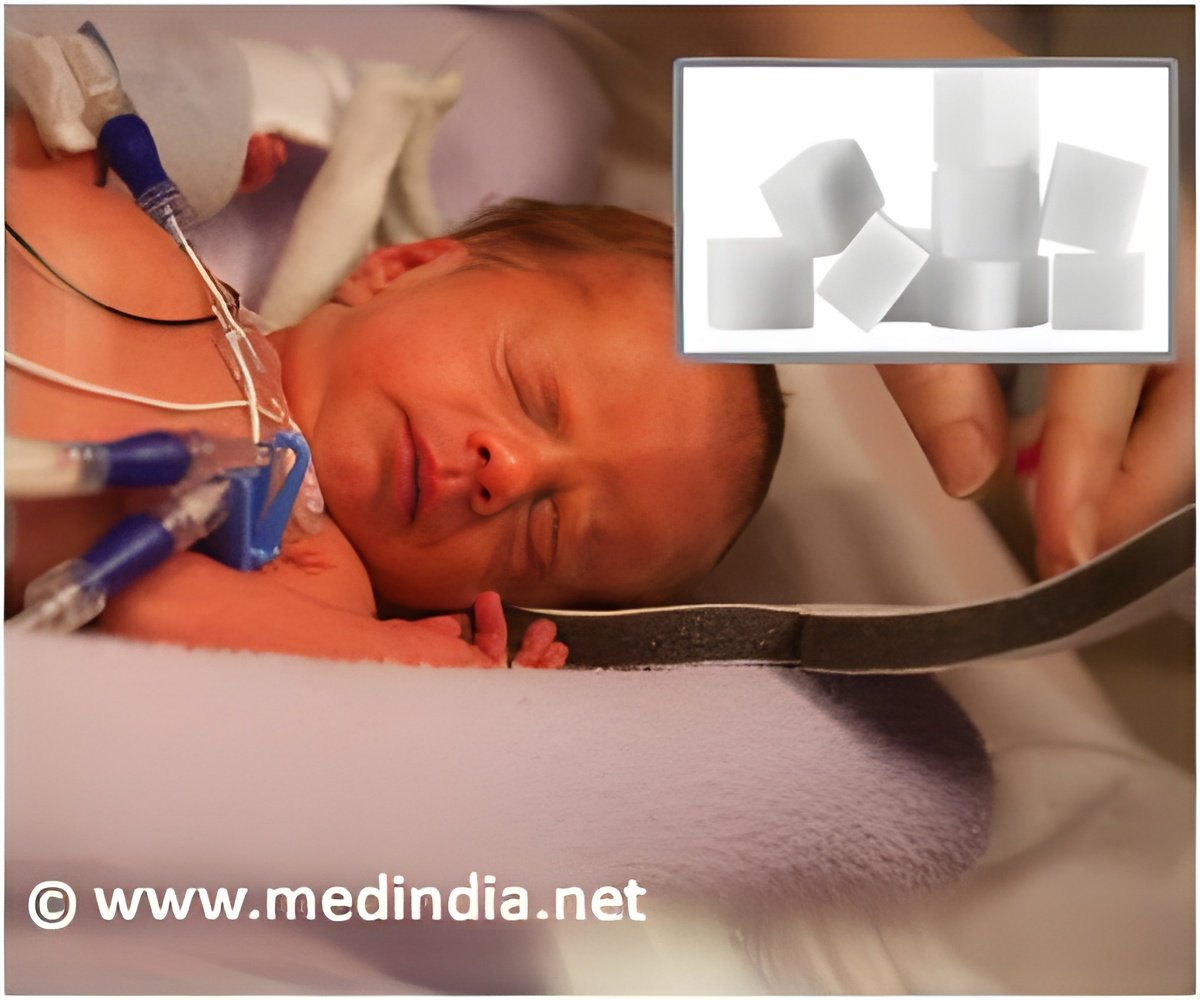
Sweet taste solutions such as sucrose can effectively reduce the stress of painful procedures that pre-terms undergo during their NICU stay.

Preterm Infants Learn to Speak Fast If Parents Converse With Them
The rate of the vocabulary growth and IQ score are more strongly related to the number of words the parent says per hour to the child than to parent’s education and socioeconomic status.
The rate of the vocabulary growth and IQ score are more strongly related to the number of words the parent says per hour to the child than to parent’s education and socioeconomic status.
Despite the understanding of the aftermath of pain exposure, most of the painful procedures in NICUs are performed without any analgesia. Resorting to drugs for analgesia may have a negative impact on neonatal outcome. Side effects and questionable efficacy are other deterrents forcing a choice of non-pharmacological means of pain relief.
Non-pharmacological interventions (NPIs) or where no analgesia is used for effective reduction of pain for minor to moderately painful procedures include oral sucrose, breastfeeding, non-nutritive sucking, facilitated tucking (FT), kangaroo care, and swaddling. Through mechanisms like provision of oro-tactile, oro-gustatory, and tactile stimulation and promotion of self-regulation, NPIs are capable of reducing infants’ pain responses during painful procedures.
Probiotics Useful in Preventing Necrotizing Enterocolitis in Preterm Infants
Probiotics are useful in preventing a serious complication called necrotizing enterocolitis in preterm infants. Recently published guidelines suggest the use of these agents in most premature infants.
Probiotics are useful in preventing a serious complication called necrotizing enterocolitis in preterm infants. Recently published guidelines suggest the use of these agents in most premature infants.
A new study compared the impact of sucrose and FT alone and in combination on pain responses of preterm infants across multiple painful procedures. The effectiveness of these interventions during repeated heel sticks was assessed. Heel stick is a common way to draw blood from newborns. The newborn baby’s heel is pricked and a small amount of blood is collected with a capillary glass tube or a filter paper. It is a minimally invasive and easily accessible method.
Breastfeeding Reduces Pain in Preterm Babies: Study
Breastfeeding during minor procedures reduced pain in preterm neonates with mature breastfeeding behaviors, researchers report in a study published in the November issue of PAIN®.
Breastfeeding during minor procedures reduced pain in preterm neonates with mature breastfeeding behaviors, researchers report in a study published in the November issue of PAIN®.
The efficacy of oral sucrose as an analgesic during painful procedures thus stands the tests of time. The results are of significant clinical implications for the management of pain in preterm infants. Sweet taste solutions such as sucrose can effectively reduce the stress of painful procedures that preterms undergo during their NICU stay. Facilitated tucking cannot be recommended in a setting of repeated pain exposures.
Preterm Births, Developmental Problems in Newborns may be Caused by Bacteria
The type of bacteria that colonize the placenta during pregnancy could be associated with preterm birth and other developmental problems in newborns, scientists have revealed.
The type of bacteria that colonize the placenta during pregnancy could be associated with preterm birth and other developmental problems in newborns, scientists have revealed.
• Oral Sucrose and “Facilitated Tucking” for Repeated Pain Relief in Preterms: A Randomized Controlled Trial; Eva Cignacco et al; Pediatrics 2012
• Cignacco E, Hamers J, van Lingen RA, et al.Neonatal procedural pain exposure and pain management in ventilated preterm infants during the first 14 days of life. Swiss Med Wkly. 2009;139(15–16):226–232.
Source-Medindia
 Email
Email