MEDINDIA
 English
 हिन्दी
 Español
 français
 中文
中文

Higher body fat, particularly around the waist and internal organs, is closely linked to symptoms of stress urinary incontinence in women nearing menopause.
Highlights:
Excess body fat, especially concentrated around the waist and visceral organs, is significantly linked to an increased risk of stress urinary incontinence in women aged 47 to 55. Women with greater total fat mass and higher waist circumference showed a greater likelihood of experiencing symptoms related to pelvic floor disorders (1✔ ✔Trusted Source- Fat mass around the abdomen increases stress urinary incontinence risk
- Body composition directly linked to pelvic floor disorder symptoms
- Waist circumference and body mass index strongly associated with urinary symptoms
Association of body composition with the symptoms of pelvic floor disorders in middle-aged women: a longitudinal study
Go to source). As women approach menopause, the chances of developing pelvic floor symptoms tend to increase. Contributing factors include the natural aging of tissues, the decline of estrogen levels, childbirth history, and conditions that raise intra-abdominal pressure — all of which may result in the weakening or dysfunction of pelvic structures.

Urinary Incontinence: More Than Just a Bladder Issue
How does urinary incontinence affect your overall health? It can cause skin rashes, kidney damage, and mental health issues like anxiety and depression.
How does urinary incontinence affect your overall health? It can cause skin rashes, kidney damage, and mental health issues like anxiety and depression.
TOP INSIGHT

Did You Know?
Over 50 percent of middle aged women experience symptoms of #pelvicfloor disorders - and those with higher #abdominalfat are more likely to suffer from stress #urinaryincontinence. #medindia #pelvichealth #womenhealth
Impact of Lifestyle Reflected in Body Composition
Daily lifestyle choices, including eating habits and physical activity levels, also play a role in how pelvic floor disorders develop. Since body composition is shaped in part by these choices, it can act as a modifiable indicator of a woman’s vulnerability to symptoms such as urinary incontinence and prolapse.Earlier evaluations mostly relied on broad measures like body mass index or waist circumference. According to Doctoral Researcher Mari Kuutti from the Faculty of Sport and Health Sciences at the University of Jyväskylä, this project focused on the specific relationship between detailed body composition data and pelvic floor symptoms over four years.
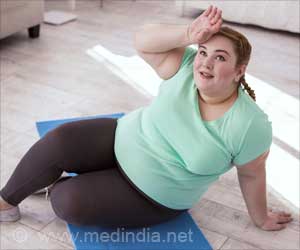
Obesity, Overweight May Increase Women’s Urinary Incontinence Risk
Obesity and overweight may increase the risk of developing urinary incontinence in women, reveals a new study.
Obesity and overweight may increase the risk of developing urinary incontinence in women, reveals a new study.
Detailed Body Fat Measurements Offer Deeper Insight
The project focused on four primary pelvic floor disorders: stress urinary incontinence, urgency urinary incontinence, fecal incontinence, and pelvic organ prolapse. At the start, over half of the participants already reported symptoms, with stress urinary incontinence being the most common.Researchers assessed multiple body fat indicators — including total fat mass, fat in the abdominal region, hip area, trunk, and visceral region, to determine their connection to symptom prevalence. Higher body mass index and waist circumference were similarly tied to more frequent stress urinary incontinence.
Do Artificially Sweetened Drinks Affect Urinary Incontinence
A new study suggests that consumption of artificially sweetened beverages does not significantly affect a women’s likelihood to report stress or urge incontinence.
A new study suggests that consumption of artificially sweetened beverages does not significantly affect a women’s likelihood to report stress or urge incontinence.
Current Body Composition Matters More Than Change Over Time
Interestingly, changes in fat distribution or body mass over the four-year period were not linked to shifts in symptoms. This means that the state of body composition at any given point may better predict current symptoms than long-term changes.The findings were based on data from the broader ERMA and EsmiRs projects, with 376 women from the Jyväskylä region taking part. Their body composition was assessed using advanced techniques such as multifrequency bioelectrical impedance, dual-energy X-ray absorptiometry, and standard anthropometry. Participants also provided demographic, physical activity, and gynecological history through questionnaires.
To sum up, this investigation shows how body fat, particularly in the abdominal and visceral areas, is associated with stress urinary incontinence and potentially other pelvic floor issues in midlife women.
Since body composition reflects modifiable lifestyle factors, interventions focusing on fat reduction could play a key role in lowering the risk of these symptoms.
Reference:
- Association of body composition with the symptoms of pelvic floor disorders in middle-aged women: a longitudinal study - (https://journals.lww.com/menopausejournal/fulltext/9900/association_of_body_composition_with_the_symptoms.468.aspx)
Source-Medindia
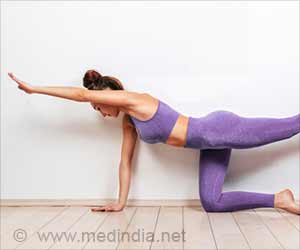
How Yoga Helps Tackle Urinary Incontinence?
Low-impact yoga and exercise can help older women manage urinary incontinence by strengthening pelvic muscles, improving bladder control, and enhancing overall well-being.
Low-impact yoga and exercise can help older women manage urinary incontinence by strengthening pelvic muscles, improving bladder control, and enhancing overall well-being.
 Email
Email