MEDINDIA
 English
 हिन्दी
 Español
 français
 中文
中文
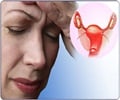
A new study has revealed that menopausal symptoms such as night sweats and hot flashes may be controlled with dietary changes.


Andropause - Male menopause - Symptoms - Causes - Diagnosis - Treatment
Andropause or male menopause causing low libido in a man is due to decreasing level of male hormones, like testosterone. Symptoms of andropause are depression, irritability.
Andropause or male menopause causing low libido in a man is due to decreasing level of male hormones, like testosterone. Symptoms of andropause are depression, irritability.
Hot flashes, which are a symptom of menopause, are experienced by pre menopausal and menopausal women. The complete mechanism is little understood, but hot flashes are believed to be caused by a complex interaction involving fluctuating hormone (estrogen) levels, the hypothalamus (that regulates body temperature), brain chemicals, brain receptors, blood vessels and sweat glands.
Earlier studies have shown that weight gain and increased BMI are linked to increased menopause symptoms. This study made an attempt at understanding how a reduction in weight, brought about by a dietary change, helps to control the symptoms. However, during the study it was noticed that the menopausal symptoms were also controlled in women who lost weight without any change in their diet.

Quiz on Menopause
Menopause is inevitable in a woman’s life and it would be apt to be well prepared for it. Learn more about menopause and the best ways of managing it by going through this quiz.
Menopause is inevitable in a woman’s life and it would be apt to be well prepared for it. Learn more about menopause and the best ways of managing it by going through this quiz.
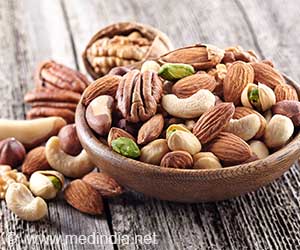
Therefore, it was considered appropriate to look into the possibilities of dietary change bringing about weight control and ameliorating the symptoms of menopause. The investigators are of the opinion that a healthy diet alone, comprising of plenty of fruits, veggies and grains, is capable of bringing about symptom relief.
The scientists emphasize that further research is required to establish the link between diet, weight and menopause symptoms such as night sweats and hot flashes.

Agreement on Hormone Therapy Use By 15 Top Medical Organizations
15 top medical organizations have come together to issue a statement of agreement regarding the benefits of hormone therapy for symptomatic menopausal women.
15 top medical organizations have come together to issue a statement of agreement regarding the benefits of hormone therapy for symptomatic menopausal women.
The study, which was carried out under senior research scientist Bette J. Caan appeared in the current issue of Menopause.
Early Menopause Linked to Brain Aneurysm
Early menopause increases risk of brain aneurysm, shows study.
Early menopause increases risk of brain aneurysm, shows study.
 Email
Email