MEDINDIA
 English
 हिन्दी
 Español
 français
 中文
中文
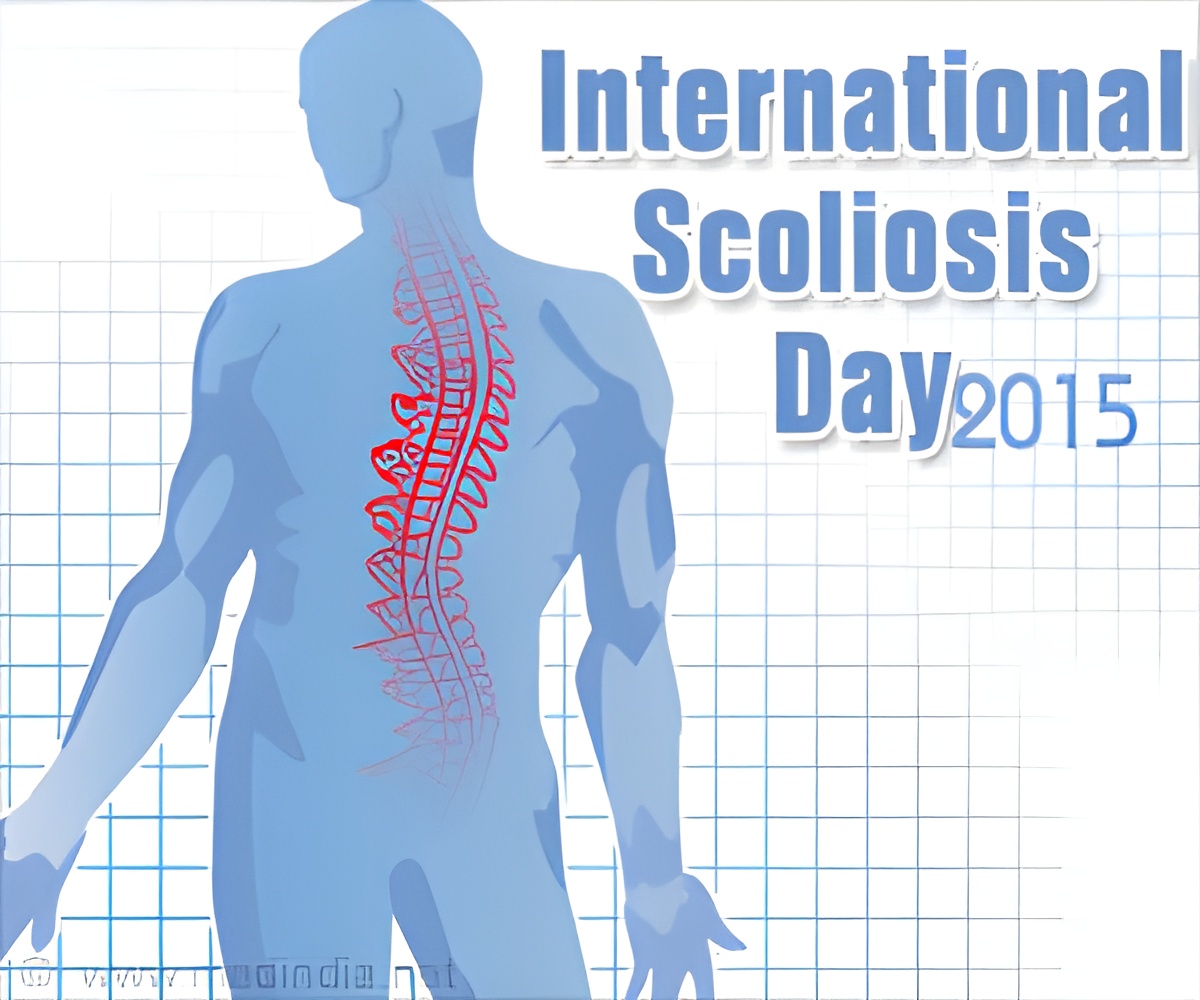
Scoliosis is a spine deformity that causes a curvature in the spine/backbone. International Scoliosis Day 2015 is marked on June 27.
About Kyphosis
Kyphosis is a spinal disorder, which is derived from Greek word – 'kyphos' which means bowed or bent. Spinal curve of the backbone in the upper back causes bowing of the backbone. It also affects the lower back.
Kyphosis is a spinal disorder, which is derived from Greek word – 'kyphos' which means bowed or bent. Spinal curve of the backbone in the upper back causes bowing of the backbone. It also affects the lower back.
What is Scoliosis?
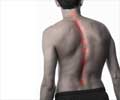
A normal spine is usually straight while a spine with scoliosis presents a curvature. Scoliosis curves are of three types: a single curve to the left like a C-shape, a single curve to the right like a backward C or two curves in the shape of the letter S.It usually manifests during childhood or adolescence. Most of the cases are idiopathic with no known cause. Mild scoliosis usually does not require treatment but individuals need to be regularly monitored with x-rays. Moderate scoliosis is usually treated with braces while severe scoliosis requires a surgical procedure known as posterior spinal fusion with metal implants and bone grafts.
3-D Device ‘Scolioscan’ Enables Radiation-Free Diagnosis for Scoliosis
Based on 3-dimensional ultrasound imaging of the spine relative to bone landmarks, Scolioscan can be used to determine the spine’s rotation in various planes.
Based on 3-dimensional ultrasound imaging of the spine relative to bone landmarks, Scolioscan can be used to determine the spine’s rotation in various planes.
Scoliosis affects approximately 2-3 percent of the population. An extrapolated estimate indicates that nearly 3.2 million of India’s total population suffer from scoliosis.
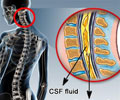
Syringomyelia | Hydromyelia | Syrinx: Causes Symptoms Diagnosis Treatment
Syringomyelia or hydromyelia is a rare neurological disorder where the person develops a fluid-filled cavity called syrinx in the spinal cord. Symptoms, diagnosis, treatment of syringomyelia are explained in detail.
Syringomyelia or hydromyelia is a rare neurological disorder where the person develops a fluid-filled cavity called syrinx in the spinal cord. Symptoms, diagnosis, treatment of syringomyelia are explained in detail.
Scoliosis presents significant physical, social and psychological implications for children, teens and young adults.
Apart from the psychosocial impact of coping with scoliosis, young people also face significant discomfort from wearing braces. Most patients are required to wear braces for 13-16 hours/day. This causes physical discomfort including redness, irritation, itching, a sense of tightness and difficulty in breathing and eating.
To cope with physical and psychological discomfort, adequate family support and external counselling is required. Peer-support is usually the best form of informal counseling where people with similar issues exchange ideas and information on coping.
Significance of International Scoliosis Day
The National Scoliosis Awareness Month Campaign in the United States outlines the following objectives:
- To highlight the importance of early screening and detection to avoid surgical interventions.
- To increase public awareness of scoliosis in the community through advocacy and educational activities.
- To bring together patients, families, caregivers, clinicians and support specialists into positive collaborative partnerships.
- To build better community collaborations to sustain the campaign.
International Scoliosis Day is also marked with conferences, workshops and common platforms to discuss clinical and non-clinical issues faced by people with scoliosis. Such networking provides patients and families with latest information about clinical interventions and prospects for future therapies and curatives. It also highlights the significance of greater clinical research for better treatment modalities.
Source-Medindia
 Email
Email