MEDINDIA
 English
 हिन्दी
 Español
 français
 中文
中文
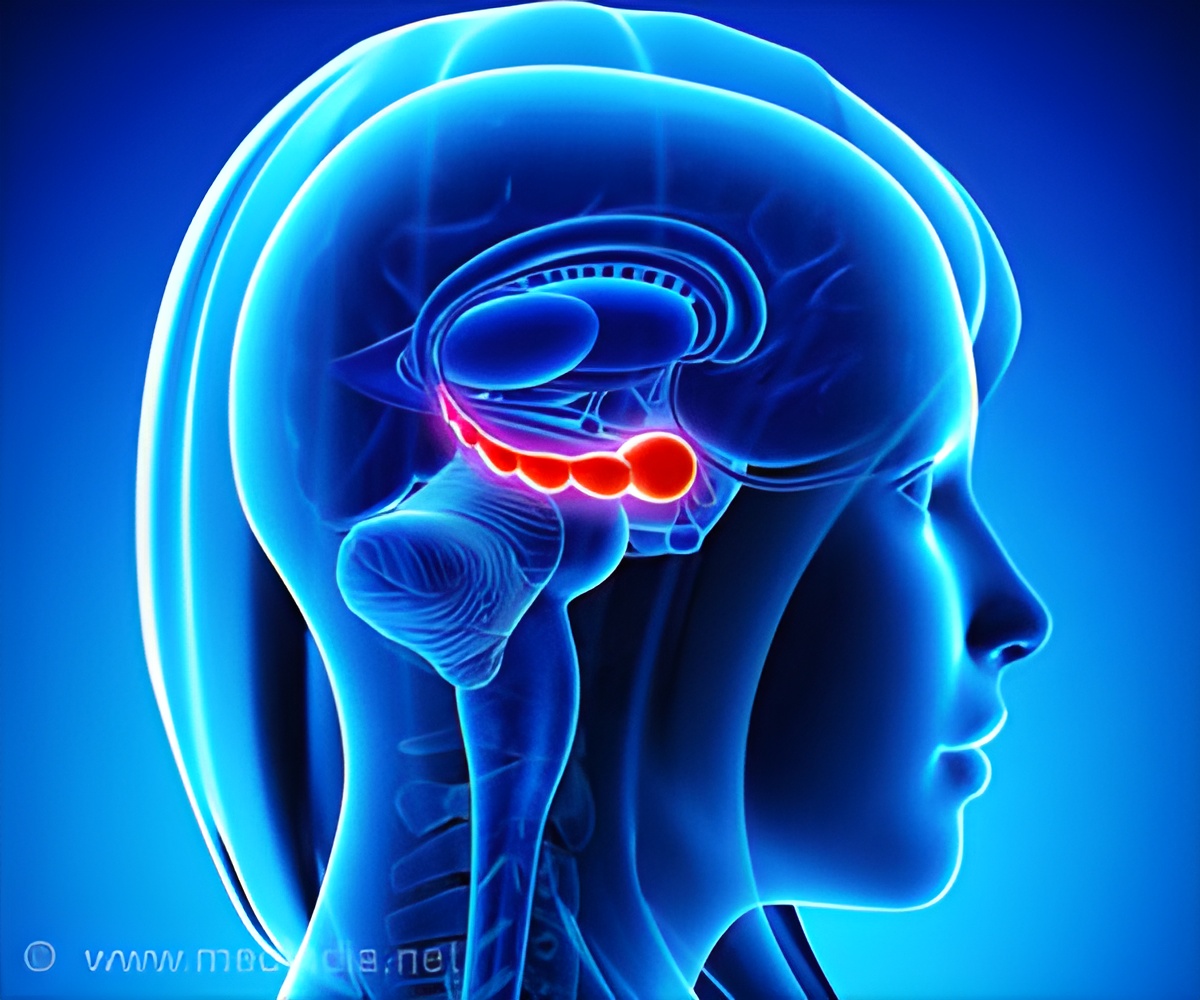
Individuals with recurrent depression have a significantly smaller hippocampus compared to those with a healthy mental state, says a new BMRI study.

Depression - Types, Causes, Symptoms, Diagnosis, Treatment
Depression is one of the most common mental disorders affecting approximately 340 million people in the world. No one is immune from depression - it occurs in people of all social classes, all countries and all cultural settings.
Depression is one of the most common mental disorders affecting approximately 340 million people in the world. No one is immune from depression - it occurs in people of all social classes, all countries and all cultural settings.
The study was conducted by ENIGMA researchers which included a group of researchers from the Brain and Mind Research Institute (BMRI) at the University of Sidney in Australia.
According to the researchers, the study points to a need to treat depression when it first emerges - especially in adolescents and young adults.

Home Remedies for Depression
Home remedies offer you herbal and natural method to treat depression effectively.
Home remedies offer you herbal and natural method to treat depression effectively.
Jim Lagopoulos, an associate professor at the University, says the study gives new insights into the mechanisms that might underlie depression.

Depression Calculator
A quick, simple and anonymous self-assessment health tool to assess the level of depression using the famous Zung Self-Rating Depression Scale.
A quick, simple and anonymous self-assessment health tool to assess the level of depression using the famous Zung Self-Rating Depression Scale.
According to him, the first reason we are not greatly aware of this is the lack of researches with sufficiently large numbers of participants. Secondly, the disease and treatments vary widely and there are also complicated interactions between brain structure and some of the clinical characteristics.

Adolescent Depression - Causes - Affects - Depressed Teens - Treatment - FAQs
Adolescent depression is an ailment that occurs during the teenage characterized by persistent melancholy, disappointment and loss of self-esteem.
Adolescent depression is an ailment that occurs during the teenage characterized by persistent melancholy, disappointment and loss of self-esteem.
“Particularly in teenagers and young adults, to prevent the brain changes that accompany recurrent depression," Hickie adds.
He points out that it also important to conduct studies to find out methods to track changes in hippocampus size over time in individuals with depression.
“Findings from such studies may help explain the question of cause and effect whether hippocampal abnormalities result from prolonged duration of chronic stress, or represent a vulnerability factor for depression, or both," he suggests.
Lagopoulos also says that the BMRI research backs the "neurotrophic hypothesis of depression," the concept that individuals with chronic depression have certain differences in brain biology - such as sustained higher levels of glucocorticoid - that reduce the size of the brain.
References:
Molecular Psychiatry advance online publication 30 June 2015; doi: 10.1038/mp.2015.69http://sydney.edu.au/study.html
http://enigma.ini.usc.edu/
http://enigma.lbl.gov/
Source-Medindia
 Email
Email