MEDINDIA
 English
 हिन्दी
 Español
 français
 中文
中文
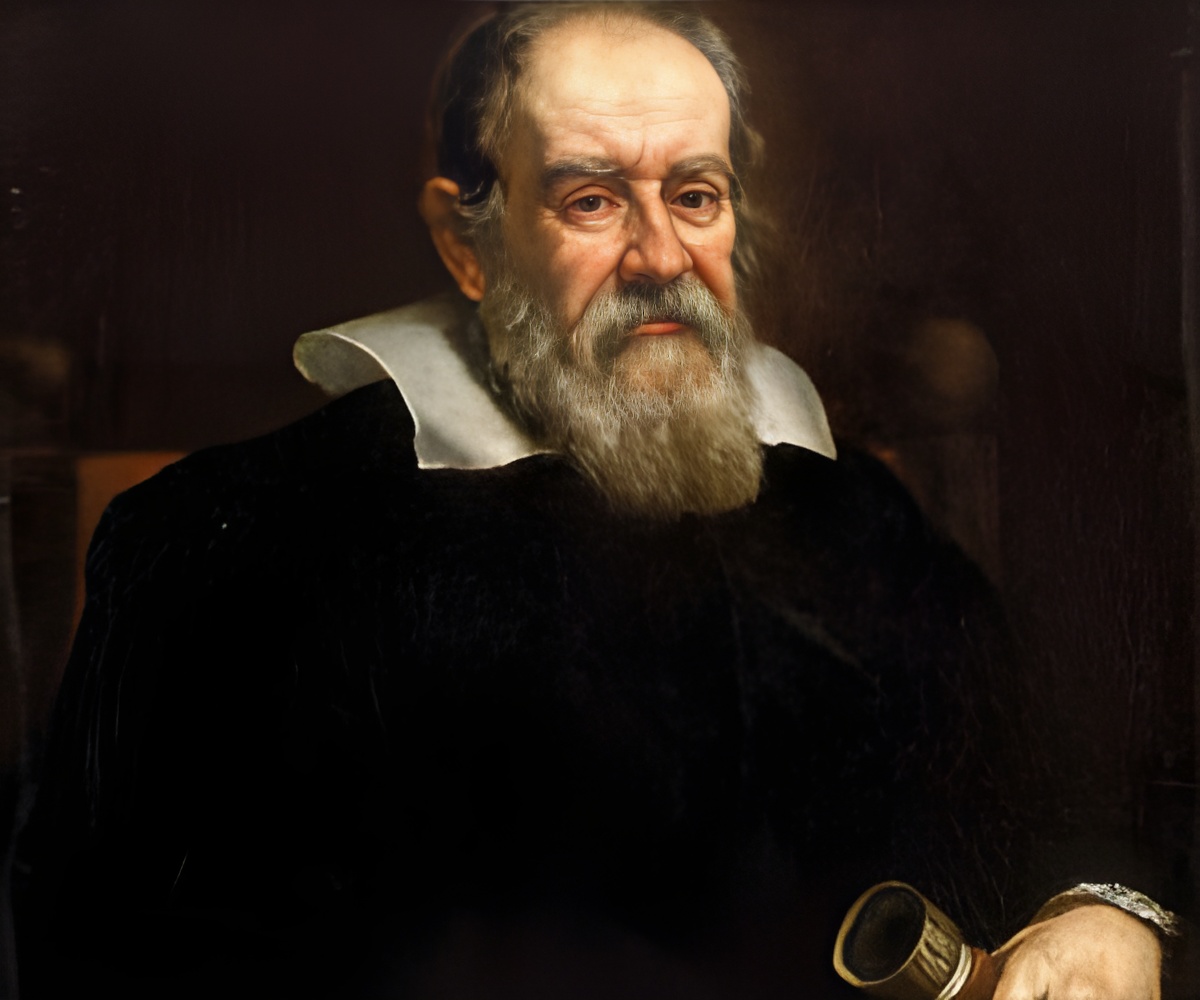
Galileo Galilei presented several correlated disorders in his lifetime of which chronic arthritic pain and bilateral blindness were most significant.
Reactive Arthritis - Symptoms - Causes - Diagnosis - Treatment
Reactive arthritis is an autoimmune condition. Ankylosing spondylitis, psoriatic arthritis are disorders associated with Reactive arthritis.
Reactive arthritis is an autoimmune condition. Ankylosing spondylitis, psoriatic arthritis are disorders associated with Reactive arthritis.
TOP INSIGHT

The famous Italian astronomer, physicist and philosopher Galileo Galilei suffered from recurrent bouts of arthritis which eventually turned to uveitis and bilateral blindness.
The researchers used multimodal materials and methods to advance their hypothesis. Using Galileo’s letters and other personal and historical documents, they hypothesized that he must have been suffering from reactive arthritis. A study of his fifth lumbar vertebra provided information on the pathologies he suffered in his lifetime. Researchers used osteological measurements to confirm their hypothesis.
Measurements indicated that the vertebra was normal without any significant disease from an anthropological point of view. Digital radiography and computed tomography indicated mild arthrosis correlated with a small osteophytosis (outgrowths of bone tissue). In Galileo’s case, the immune rheumatic disease or reactive arthritis led to bilateral blindness due to a pannus (abnormal layer of fibrovascular tissue) restricting the pupils (uveitis).
Rheumatoid Arthritis - Causes, Symptoms, Diagnosis, Treatment, FAQs
Rheumatoid arthritis is a chronic inflammatory disease that causes pain, swelling, stiffness and loss of function in the joints.
Rheumatoid arthritis is a chronic inflammatory disease that causes pain, swelling, stiffness and loss of function in the joints.
During his lifetime, Galileo led a merry life. He was a big eater, drinker and sexually active. When he was 29 years of age, he suffered from a severe illness which he held responsible for his subsequent ill-health. In the early summer of 1593, Galileo and his friends spent a weekend in a villa of Costozza near Vicenza of Count Camillo Trento. After a meal and wine with friends, he slept in a room known as “Sala dei Venti” or wind room. This room was constantly cooled by air circulating through large ventiducts from the nearby caves. Galileo and his friends woke up with high fever, cramps, chills, hemorrhages, headache and fatigue. Two of them died. Galileo survived but remained deaf for almost a year.
Top Ten Facts On Blindness
Visual handicap has been a blind spot for governments globally for very long. Especially in India, blindness prevalence has increased dramatically, mostly due to avoidable causes for which simplified treatments are also available these days. Here are the top ten facts on blindness in India and around the world.
Visual handicap has been a blind spot for governments globally for very long. Especially in India, blindness prevalence has increased dramatically, mostly due to avoidable causes for which simplified treatments are also available these days. Here are the top ten facts on blindness in India and around the world.
When it comes to Galileo’s blindness, he was diagnosed by a Roman surgeon Giovanni Trulio via a letter document. With the help of this document, the researchers were able to hypothesize uveitis and correlate it with his rheumatic disorder. The blindness was evident from Galileo’s signature which became uncertain and shaky.

Quiz on Arthritis
Do you know that there are more than 100 types of arthritis? If you think that only old people suffer from arthritis, take this intriguing quiz to get your facts on arthritis.
Do you know that there are more than 100 types of arthritis? If you think that only old people suffer from arthritis, take this intriguing quiz to get your facts on arthritis.
According to the researchers, this reactive arthritis could have been triggered by a Chlamydia pneumonia infection during the illness episode in the wind room. This evolved into chronic arthritis as it is evident by the frequent and long episodes of joint pain which Galileo often complained. Recurrent arthritis ultimately led to uveitis and bilateral blindness.
References:
1. Thiene, G. & Basso, C. (2011). Galileo as a Patient. The Inspiration of Astronomical Phenomena VI ASP Conference Series, Vol. 441 Enrico Maria Corsini, ed. Retrieved on 30 October 2015 from http://adsabs.harvard.edu/full/2011ASPC..441...73T2. Rheumatoid Arthritis Associated Scleritis. Fehma Tufail M.D. Retrieved on 30 October 2015 from
http://www.uveitis.org/docs/dm/rheumatoid_arthritis_associated_scleritis.pdf
3. Scleral Inflammations: An Update. (2013). Published by All India Ophthalmological Society.
4. Zanatta, A., Zampieri, F., Bonati, R.M., Liessi, G., Barbieri. C et al. (2015). New Interpretation of Galileo’s Arthritis and Blindness. Advances in Anthropology, 5, 39-49. Published Online February 2015 in SciRes.
http://www.scirp.org/journal/aa
http://dx.doi.org/10.4236/aa.2015.51005
4. http://www.bbc.co.uk/history/historic_figures/galilei_galileo.shtml
Source-Medindia
 Email
Email