MEDINDIA
 English
 हिन्दी
 Español
 français
 中文
中文
Study of gene expression, using a technique called microarray analysis has let researchers to begin the process of identifying genes, which predispose to poorer prostate cancer outcomes.
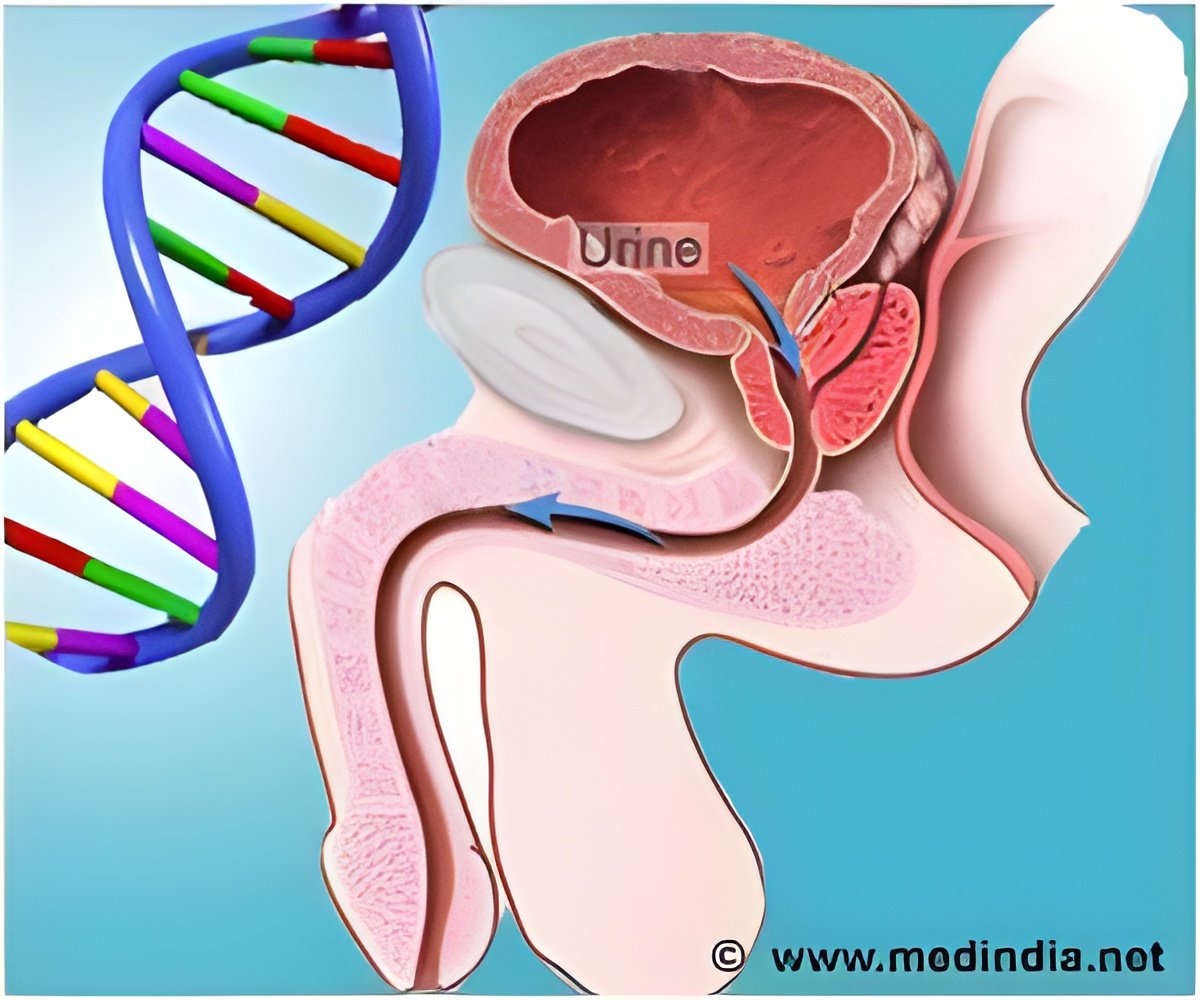
Prostate Cancer: Treatment Options - Surgery, Radiation Therapy, Hormone Therapy
Treatment options of prostate cancer includes waiting, surgery, radiation, hormone therapy, chemotherapy, cryosurgery or biologic therapy.
Treatment options of prostate cancer includes waiting, surgery, radiation, hormone therapy, chemotherapy, cryosurgery or biologic therapy.
A low Gleason score means the cancer is less likely to spread and is similar to normal prostate tissue. A high score points to a poorer prognosis. However, recent studies challenge this concept. It has been found that a number of men with low Gleason scores develop aggressive prostate cancers. A low score hence does not definitely mean that the cancer will not turn hostile.
It was thus necessary to devise a new system that could predict patients with low Gleason scores who will have poor survival. The research that followed led scientists to genes. Study of gene expression, using a technique called microarray analysis has let researchers to begin the process of identifying genes which predispose to poorer outcome.

Hormone Therapy With Radiotherapy Improves Survival in Prostate Cancer
6 months of NADT and a relatively low dose of radiation can aid in efficient treatment of a large proportion of men with locally advanced prostate cancer
6 months of NADT and a relatively low dose of radiation can aid in efficient treatment of a large proportion of men with locally advanced prostate cancer
Patients from the Swedish study were classified into five prostate cancer subtypes, each of which had a distinct predicted outcome. Two subtypes of prostate cancer were found to carry a 3.2-fold increased risk of death. These two high-risk subtypes had a number of men with poor prognoses even though they had low Gleason score tumors.

New Highly Accurate Technique to Diagnose Prostate Cancer
The new fully-automated method to classify cancer versus non-cancer prostate tissue samples is supposed to bring on a revolution in cancer diagnosis.
The new fully-automated method to classify cancer versus non-cancer prostate tissue samples is supposed to bring on a revolution in cancer diagnosis.
Reference: Proceedings of the National Academy of Sciences, November 28, 2011; Markert EK, Mizuno H, Vazquez A, Levin AJ. Molecular classification of prostate cancer using curated expression signatures.
Surgery May be More Effective Than Watchful Waiting in Prostate Cancer
Surgical removal of the prostate is associated with a reduction in the rate of death from prostate cancer according to a new study
Surgical removal of the prostate is associated with a reduction in the rate of death from prostate cancer according to a new study
 Email
Email

![Prostate Specific Antigen [PSA]](https://www.medindia.net/images/common/patientinfo/120_100/prostate-specific-antigen.jpg "Prostate Specific Antigen [PSA]")