MEDINDIA
 English
 हिन्दी
 Español
 français
 中文
中文
Breast-feeding for first four to six months can reduce food allergy to complementary food in infants.
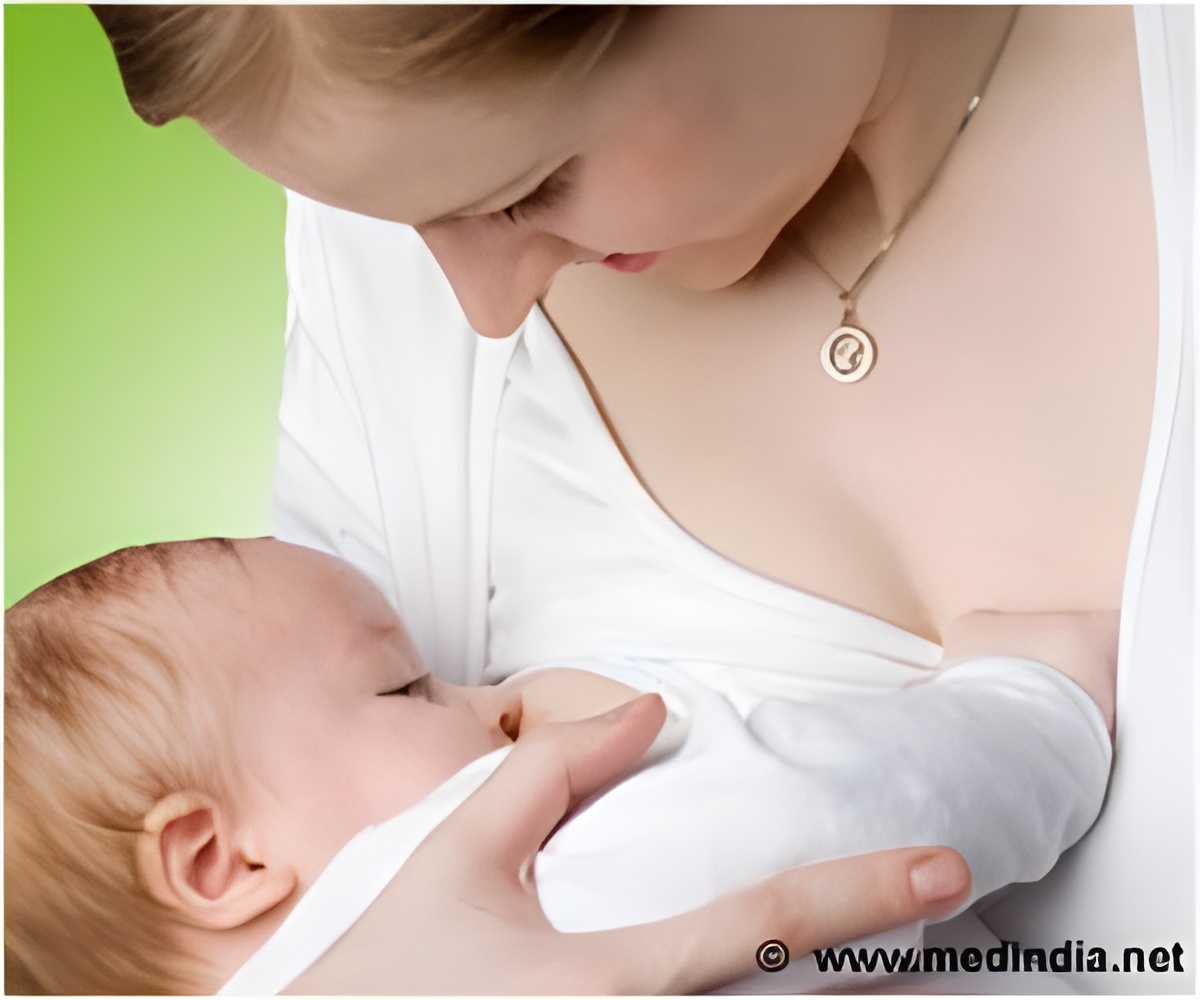

Importance of Breast Feeding-Stages-Advantages-Benefits-Storage-FAQs
From antibodies, to the exclusive nutrients, the benefits of breastfeeding are incalculable.
From antibodies, to the exclusive nutrients, the benefits of breastfeeding are incalculable.
Majority of pediatricians and dietitians believed peanuts caused no harm in pregnant or feeding mothers. Breast milk was recommended by both the groups for first four months to avoid atopic dermatitis. If infants showed allergic symptoms to breast milk then pediatricians suggested the use of partially hydrolyzing formula while dietitians preferred hydrolyzing formula to replace breast milk. The third option for both groups was cow’s milk.
So, ‘with the exception of breastfeeding advice and delay of allergenic foods, pediatricians and dietitians of British Columbia generally agree in their advice and adhere to the 2008 American Academy of Pediatrics (AAP) guidelines’, say the authors.

Atopic Dermatitis / Eczema - Causes - Symptoms - Diagnosis - Treatment - FAQs
Atopic dermatitis is an inflammatory, non-contagious, chronic skin disorder that involves scaly and itchy rashes. It is also called eczema, dermatitis or atopy.
Atopic dermatitis is an inflammatory, non-contagious, chronic skin disorder that involves scaly and itchy rashes. It is also called eczema, dermatitis or atopy.
The researchers thus concluded that although solid foods (complementary foods) should not be introduced before 4 – 6 months of age, delaying their introduction beyond this period has no significant protective effect on the development of food allergy such as atopic dermatitis.

Breastfeeding can Protect Child Against Asthma, Allergy Risk
French scientists studying lactating mice say they can add an important piece of evidence to a charged debate as to whether breastfeeding helps protect a child against asthma.
French scientists studying lactating mice say they can add an important piece of evidence to a charged debate as to whether breastfeeding helps protect a child against asthma.
1. http://www.aacijournal.com/content/pdf/1710-1492-8-3.pdf
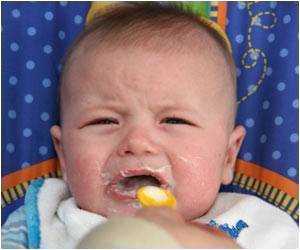
Fussy Infants Receive Complementary Food Earlier Than Non-Fussy Ones
Introduction of early Complementary Feeding was highly prevalent in low-income, black, first-time mothers with maternal perception of infant temperament, breastfeeding, and maternal obesity…
Introduction of early Complementary Feeding was highly prevalent in low-income, black, first-time mothers with maternal perception of infant temperament, breastfeeding, and maternal obesity…
 Email
Email