MEDINDIA
 English
 हिन्दी
 Español
 français
 中文
中文
A study by Simon Fraser University researchers suggests that the number of children born to a woman influences the rate at which her body ages.
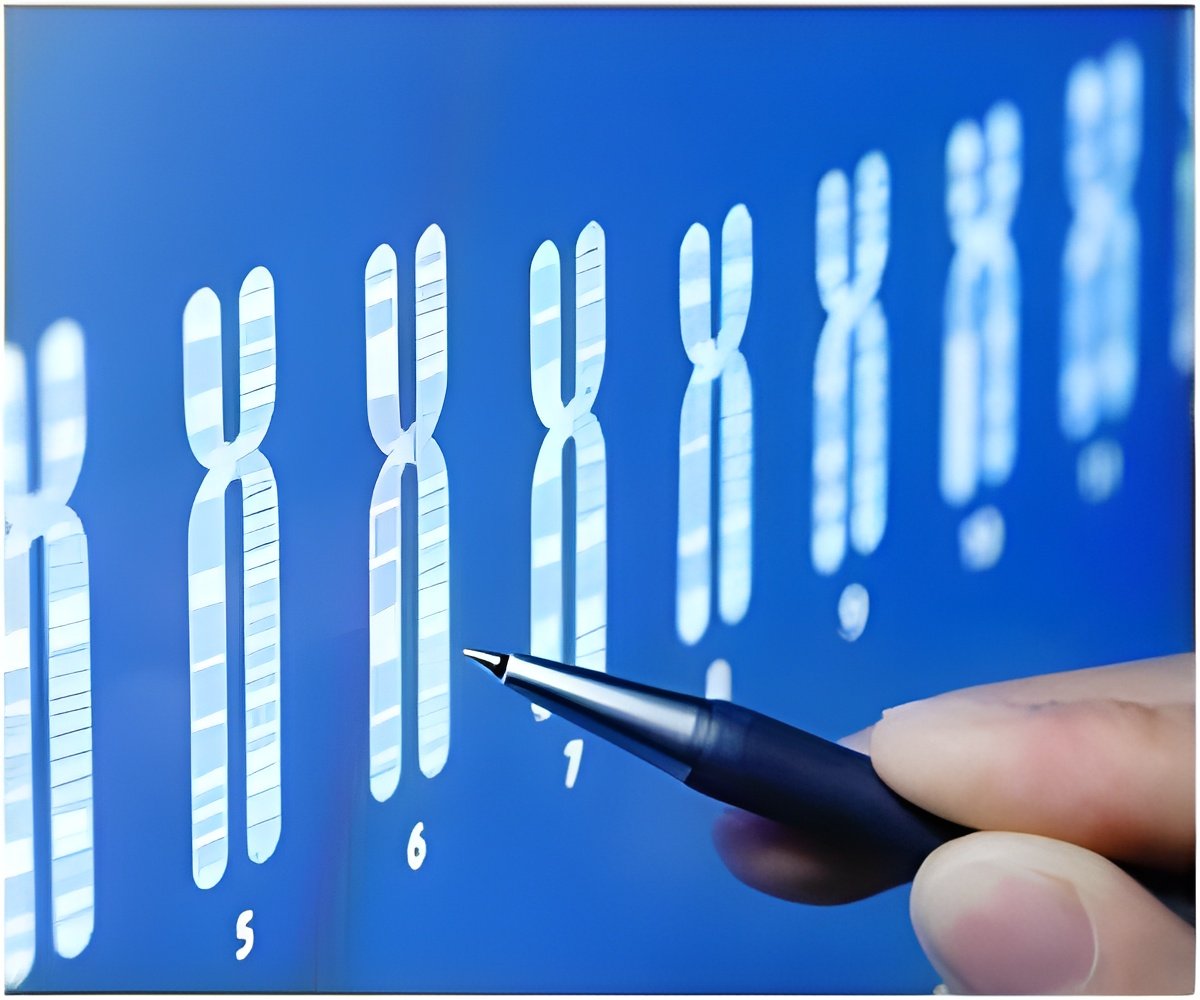

Key Events Early in the Process of Cellular Aging Defined
Scientists have defined important events that take place early in the process of cellular aging.
Scientists have defined important events that take place early in the process of cellular aging.
TOP INSIGHT

Women who give birth to more surviving children exhibited longer telomeres - which are integral to cell replication and are associated with longevity.
Nepomnaschy who also spearheads the Maternal and Child Health Laboratory at the SFU Faculty of Health Sciences, said, "The slower pace of telomere shortening found in the study participants who have more children however, may be attributed to the dramatic increase in estrogen, a hormone produced during pregnancy. Estrogen functions as a potent antioxidant that protects cells against telomere shortening."
The social environment that the study participants live in may also influence the relationship between their reproductive efforts and the pace of aging. Nepomnaschy said, "The women we followed over the course of the study were from natural fertility populations where mothers who bear numerous children receive more social support from their relatives and friends. Greater support leads to an increase in the amount of metabolic energy that can be allocated to tissue maintenance, thereby slowing down the process of aging."

Research Shows How Cancer Suppressor Gene Links Metabolism With Cellular Aging
New research on the tumor suppressor gene p53 has further highlighted the importance of the most frequently mutated gene in human tumors.
New research on the tumor suppressor gene p53 has further highlighted the importance of the most frequently mutated gene in human tumors.

Stress Accelerates Cellular Aging
Stressful situations boost diseases of aging, reveals study conducted by UCSF researchers.
Stressful situations boost diseases of aging, reveals study conducted by UCSF researchers.
Can We Prevent Cellular Aging and Aging-related Degenerative Diseases
Age-related degeneration is due to accumulated cellular damage, which also includes DNA damage, but it is still unclear about how these types of damage drive aging.
Age-related degeneration is due to accumulated cellular damage, which also includes DNA damage, but it is still unclear about how these types of damage drive aging.
 Email
Email