MEDINDIA
 English
 हिन्दी
 Español
 français
 中文
中文
Guidelines need to be prepared only when enough data is available to avoid over-diagnosis, which may be greater than the damage of delayed diagnoses.
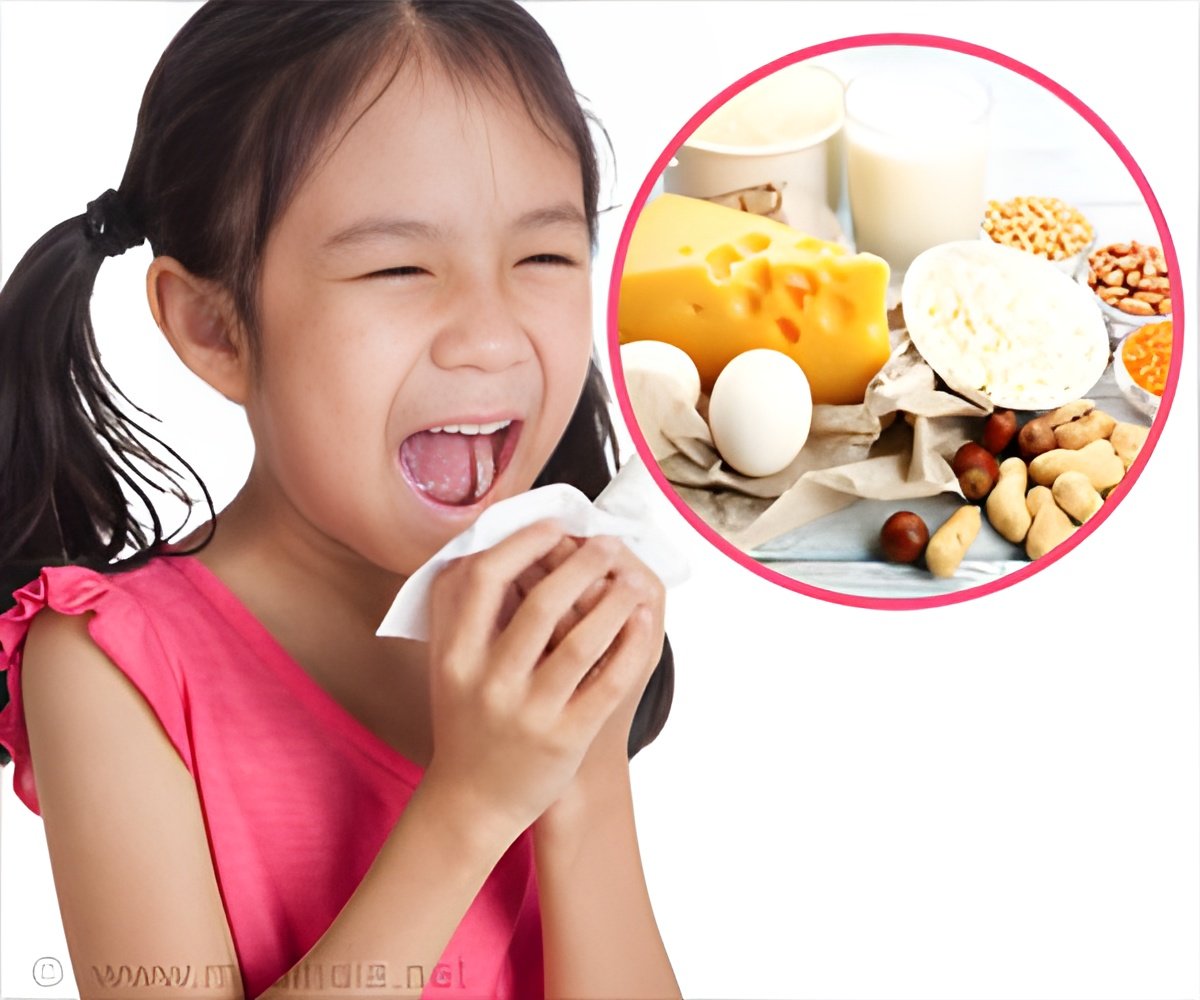

Children Food Allergies – Peanut Allergy – Egg Allergy - Milk Allergy
If you are allergic to certain food items-Watch out for what you eat
If you are allergic to certain food items-Watch out for what you eat
TOP INSIGHT

Guidelines need to be prepared only when enough data is available to avoid over-diagnosis, which may be greater than the damage of delayed diagnoses.
Researchers found that one in four parents reported two or more possible “mild to moderate” symptoms every month. Symptoms were most numerous at three months of age, when all children were fully breastfed and not directly consuming cow’s milk.
At six months of age, there was no difference in the number of children with two or more symptoms between those consuming and not consuming cow’s milk. Together, these findings suggest that the majority of symptoms listed in cow’s milk allergy guidelines are common, normal and not caused by cow’s milk allergy.

Add Vitamin A to Cattle Fodder to Prevent Milk Allergy
Enriching cattle fodder with vitamin A can help protect cow's milk allergy in infants. Increasing the supply of green fodder can also be done.
Enriching cattle fodder with vitamin A can help protect cow's milk allergy in infants. Increasing the supply of green fodder can also be done.
Senior co-researcher and children’s allergy doctor, Dr Michael Perkin, from the Population Health Research Institute at St George’s, University of London, added:
Children With Milk Allergy may be 'Allergic to School': Study
Choice in chalk may cause allergy in students who have a milk allergy, finds study published in Annals of Allergy, Asthma & Immunology.
Choice in chalk may cause allergy in students who have a milk allergy, finds study published in Annals of Allergy, Asthma & Immunology.
The researchers (from the University of Bristol, St George’s, University of London, Imperial College London, King's College London, and St John’s Institute of Dermatology), used data from the Enquiring About Tolerance study of 1,303 infants aged between three and twelve months, in which parents were asked to record any symptoms their child experienced on a monthly basis. They counted how many infants had cow’s milk allergy symptoms each month, as defined in the international Milk Allergy in Primary Care (iMAP) guideline.
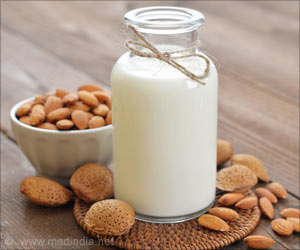
New Probiotic Formula can Treat Cow Milk Allergy in Infants
A new study shows that a probiotic formula given to infants with cow’s milk allergy changes the composition of their gut bacteria to help them develop tolerance to the food.
A new study shows that a probiotic formula given to infants with cow’s milk allergy changes the composition of their gut bacteria to help them develop tolerance to the food.
The research was funded by the International Society of Atopic Dermatitis (ISAD) and supported by the National Institute for Health Research. The EAT study was funded by the UK Food Standards Agency.
Source-Eurekalert
 Email
Email