MEDINDIA
 English
 हिन्दी
 Español
 français
 中文
中文
The 'Google Glass' has a wide range of possible applications in plastic surgery with the potential to enhance surgical training, medical documentation and patient safety.
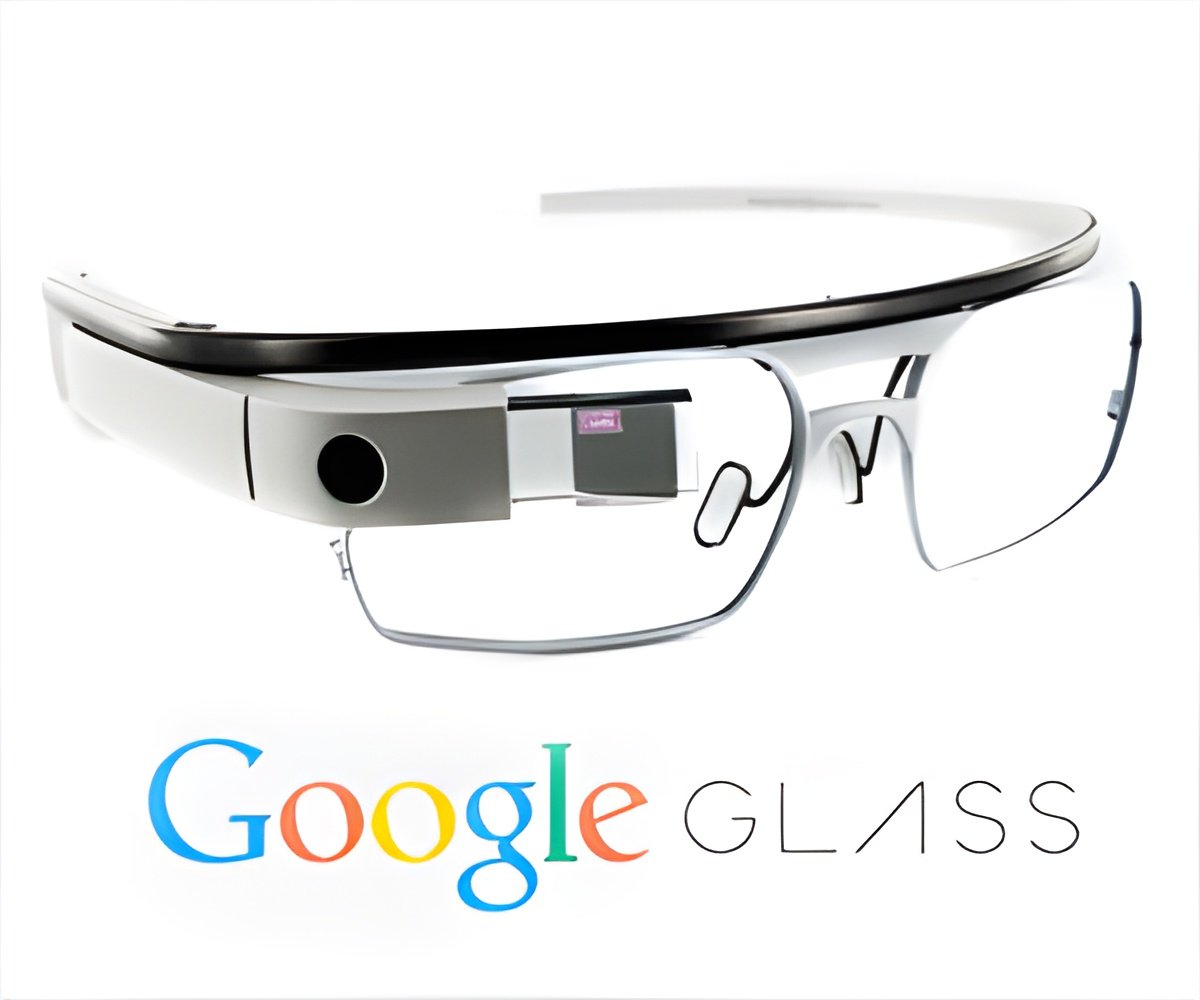

Google Glass Slated to be Released Later This Year
The US techology giant's revolutionary wearable computer, Google Glass is still months away from release.
The US techology giant's revolutionary wearable computer, Google Glass is still months away from release.
Glass has the ability to demonstrate surgical procedures, live or recorded, which has obvious applications for training in plastic surgery and other disciplines. It may also be useful in providing rapid access to medical documentation, and might even reduce the spread of infection from handling pens and paper, computers, and other sources.
The researchers noted that logistical, ethical, and hospital legislative issues will need to be addressed before Glass can be fully embedded within everyday clinical care.
Google glass Makes an 'Entrance'
New Facebook and Twitter applications were developed for Google glasses, with developers keen to learn more about the software for the Internet-linked eyewear expected to hit the markets soon.
New Facebook and Twitter applications were developed for Google glasses, with developers keen to learn more about the software for the Internet-linked eyewear expected to hit the markets soon.
Source-Medindia

Man With Google Glass Had Internet Addiction Disorder, Say Doctors
Doctors say a 31-year-old American was treated for Internet addiction after wearing Google Glass for up to 18 hours a day and even experienced dreams as if looking through the device.
Doctors say a 31-year-old American was treated for Internet addiction after wearing Google Glass for up to 18 hours a day and even experienced dreams as if looking through the device.
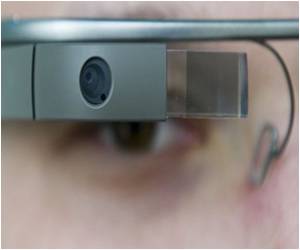
Google Glass's Offers Facial Recognition App Called MedRef
With Google Glass, innovation just got better, now offering a facial recognition app called MedRef. The app was created in a medical hackathon where it was programmed for medical purposes.
With Google Glass, innovation just got better, now offering a facial recognition app called MedRef. The app was created in a medical hackathon where it was programmed for medical purposes.
 Email
Email