MEDINDIA
 English
 हिन्दी
 Español
 français
 中文
中文
Using quantitative MRI (qMRI) tool can help detect Parkinson's disease (PD) early.
How Parkinson’s Disease is Usually Diagnosed?
Parkinson’s is a progressive and debilitating brain disease that eventually compromises patients’ ability to walk and even talk. Its diagnosis is complex and in the early stages – impossible.
Nutritional Management of Parkinson's Disease
Parkinson's disease is a brain disorder which leads to many other related effects. Nutrition plays an important role in management of the disease.
Parkinson's disease is a brain disorder which leads to many other related effects. Nutrition plays an important role in management of the disease.
TOP INSIGHT

Using quantitative MRI (qMRI) tool can help detect Parkinson's disease (PD) early.
What is the New Method that Detects Parkinson’s Disease Early?
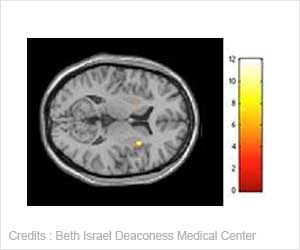
The Hebrew University of Jerusalem (HU) researchers, led by Professor Aviv Mezer, realized that the cellular changes in Parkinson’s could be revealed by adapting a related technique known as quantitative MRI (qMRI). Their method has enabled them to look at microstructures within the part of the deep brain known as the striatum – an organ known to deteriorate during the progress of Parkinson’s disease.Using a novel method of analysis developed by Mezer’s doctoral student, Elior Drori, biological changes in the cellar tissue of the striatum were revealed. Moreover, they demonstrated that these changes were associated with the early stages of Parkinson’s and patients’ movement dysfunction. Their findings were published in the prestigious journal Science Advances.

Parkinson’s Disease - Causes, Symptoms, Diagnosis, Treatment
Parkinson’s disease is a neurodegenerative disease caused by progressive dopamine brain cells loss. Symptoms of Parkinson’s disease are correctable to an extent.
Parkinson’s disease is a neurodegenerative disease caused by progressive dopamine brain cells loss. Symptoms of Parkinson’s disease are correctable to an extent.
The HU researchers used their qMRI analysis to reveal changes in the tissue structure within distinct striatum regions. The structural sensitivity of these measurements could only have been previously achieved in laboratories examining the brain cells of patients post-mortem. Not an ideal situation for detecting early disease or monitoring the efficacy of a drug!

World Parkinson�s Day 2022� �Integrated Health Care�
World Parkinson’s Day aims to promote awareness of Parkinson’s disease and spread the word about the significance of integrated health care.
World Parkinson’s Day aims to promote awareness of Parkinson’s disease and spread the word about the significance of integrated health care.
The new information will facilitate early diagnosis of the disease and provide "markers" for monitoring the efficacy of future drug therapies. “What we have discovered,” he continued, “is the tip of the iceberg.”

Bee Venom May Heal Osteoarthritis and Parkinson�s Disease
Angry honeybees produce a richer, better, and more protein-dense bee venom than docile ones, which could further help in the fight against Parkinson's and osteoarthritis.
Angry honeybees produce a richer, better, and more protein-dense bee venom than docile ones, which could further help in the fight against Parkinson's and osteoarthritis.
Drori further suggests that this type of analysis will enable the identification of subgroups within the population suffering from Parkinson’s disease – some of whom may respond differently to some drugs than others. Ultimately, he sees this analysis as “leading to personalized treatment, allowing future drug discoveries with each person receiving the most appropriate drug".
Source-Eurekalert
 Email
Email