MEDINDIA
 English
 हिन्दी
 Español
 français
 中文
中文
Physical, emotional or sexual abuse predisposes women to seek medical attention for multiple gynecological symptoms, such as abdominal pain or excessive bleeding.


Probiotics With Gut Bacteria Could Prevent Listeria Infection in Cancer Patients
Gut microbiome, the community of bacteria that naturally lives in the gastrointestinal tract might play a role in limiting L. monocytogenes infection.
Gut microbiome, the community of bacteria that naturally lives in the gastrointestinal tract might play a role in limiting L. monocytogenes infection.
TOP INSIGHT

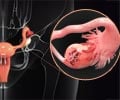
Generally, the removal of both ovaries is used as a preventive measure against ovarian cancer.
"Unfortunately, in most cases, these early life experiences are inaccessible to the women because of psychological mechanisms, and the gynecologists may not be aware of the important connection between early life experiences and the present symptoms. This inability to recognize and openly discuss the past history of abuse may lead to unnecessary and harmful surgeries."
"We want to discourage surgeons from offering ovary removal as a cancer prevention option for women who don’t have ovarian cancer or the genetic variants that are likely to cause it," she continues. "Removing both ovaries in premenopausal women can cause depression, hyperlipidemia, cardiac arrhythmias, coronary artery disease, arthritis, asthma, chronic obstructive pulmonary disease and osteoporosis - all conditions which weigh heavily against indiscriminate ovary removal."

Delay in Cancer Therapy Linked to Worsening Survival
Longer delays between cancer diagnosis and initial treatment is associated with worsened overall survival for stages I and II cancer patients.
Longer delays between cancer diagnosis and initial treatment is associated with worsened overall survival for stages I and II cancer patients.
Bilateral oophorectomy is the formal term for removal of both ovaries, generally used as a preventive measure against ovarian cancer. Oftentimes surgeons performing a hysterectomy to eliminate various noncancer health issues offer to remove a woman’s ovaries to prevent against ovarian cancer.

Drug Capecitabine Offers Breast Cancer Patients a Better Quality of Life
The drug capecitabine gives patients a better quality of life and is as effective at preventing breast cancer from returning.
The drug capecitabine gives patients a better quality of life and is as effective at preventing breast cancer from returning.
The researchers found that women who reported having experienced physical, verbal, emotional or sexual abuse any time prior to their surgery date were 62 percent more likely to have their ovaries removed than women who had not reported any previous abuse. The team categorized the abuse using a derivation of the Adverse Childhood Experiences questionnaire matched with information in the medical records.

A New Enlightenment On How Cancer Cells Spread
Cancer cells have the ability to sense the stiffness of their environment. The ability of cancer cells is to move depending upon their environment.
Cancer cells have the ability to sense the stiffness of their environment. The ability of cancer cells is to move depending upon their environment.
"What is concerning, however, is the fact that, although associations exist, adverse experiences and abuse do not appear to have been part of the physician-patient conversation when the decision was made to remove the essential estrogen-producing ovaries," she says.
While each situation is unique, the authors believe that understanding the connection between the earlier trauma and later gynecological symptoms could give patients and their health care providers other avenues to treat gynecological problems.
Using medical and dental records in the Rochester Epidemiology Project, researchers can identify what causes diseases and how patients with certain diseases respond to surgery, medication or other interventions. They also can determine what the future is likely to include for patients with specific diseases or medical conditions, such as predicting the health and well-being of women following ovary removal.
Source-Eurekalert
 Email
Email